Article
Why Mars Kept Its Krypton and Lost Its Carbon
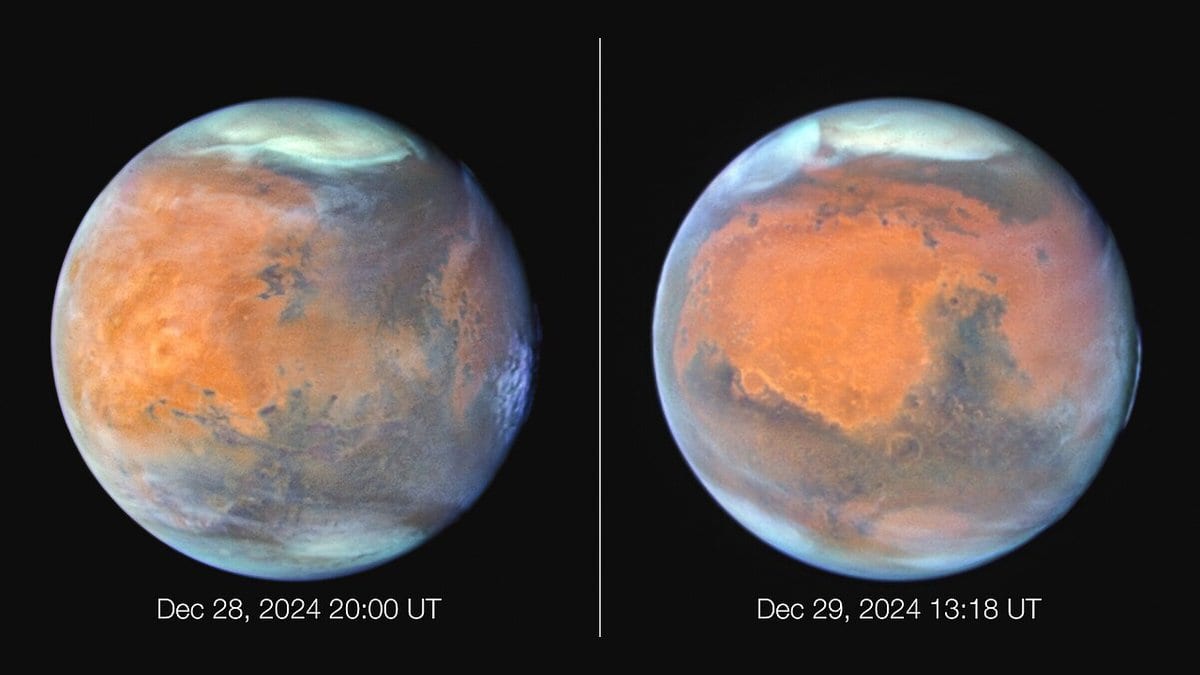
Mars has lost most of its air. Its krypton, though, is essentially where it started — a heavy noble gas still sitting in what is left of an atmosphere that a young Sun's wind spent hundreds of…
Open with CtrlK — press Esc to close
Mars has lost most of its air. Its krypton, though, is essentially where it started — a heavy noble gas still sitting in what is left of an atmosphere that a young Sun's wind spent hundreds of…
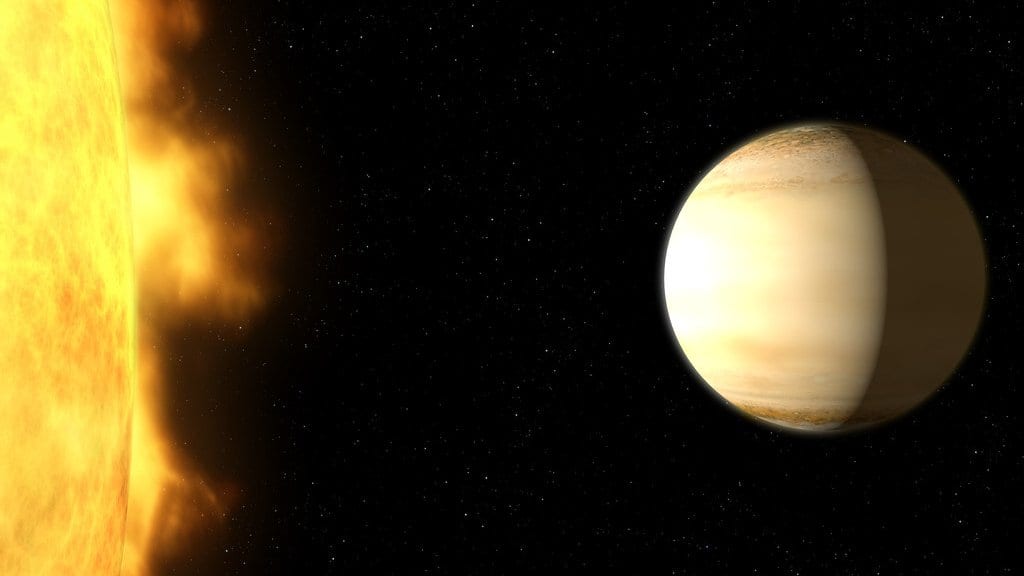
WASP-39 b is one of the most-studied planets outside our solar system, a puffy hot Jupiter roughly 700 light-years away that became a showcase target for JWST early in the telescope's life. So it…
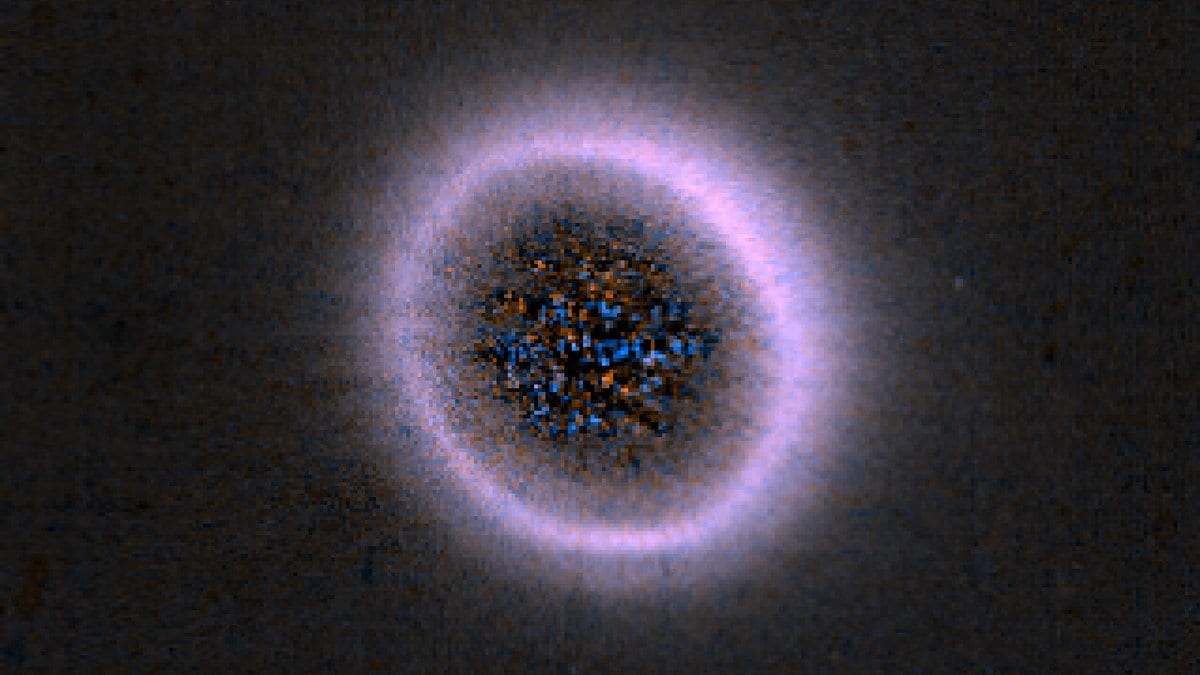
Point a telescope at a nearby star and, mostly, the star is all you get. The ring of rock, boulders and collision dust around it — the leftover scaffolding of planet building, the same kind of belt…
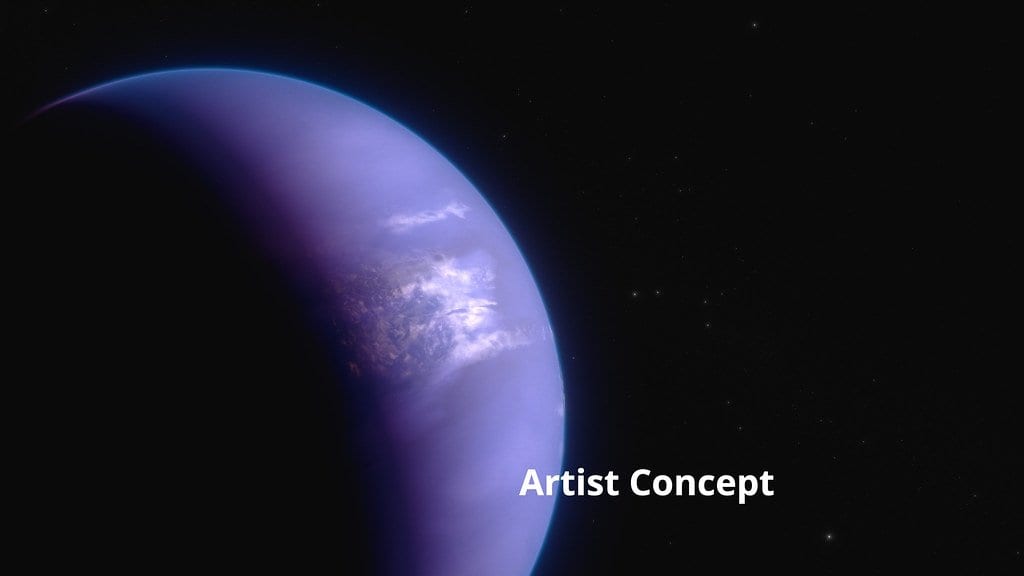
Thirteen transiting giant exoplanets observed by JWST fall on the same color-magnitude sequence as free-floating brown dwarfs at similar temperatures, and the methane expected in the planets'…
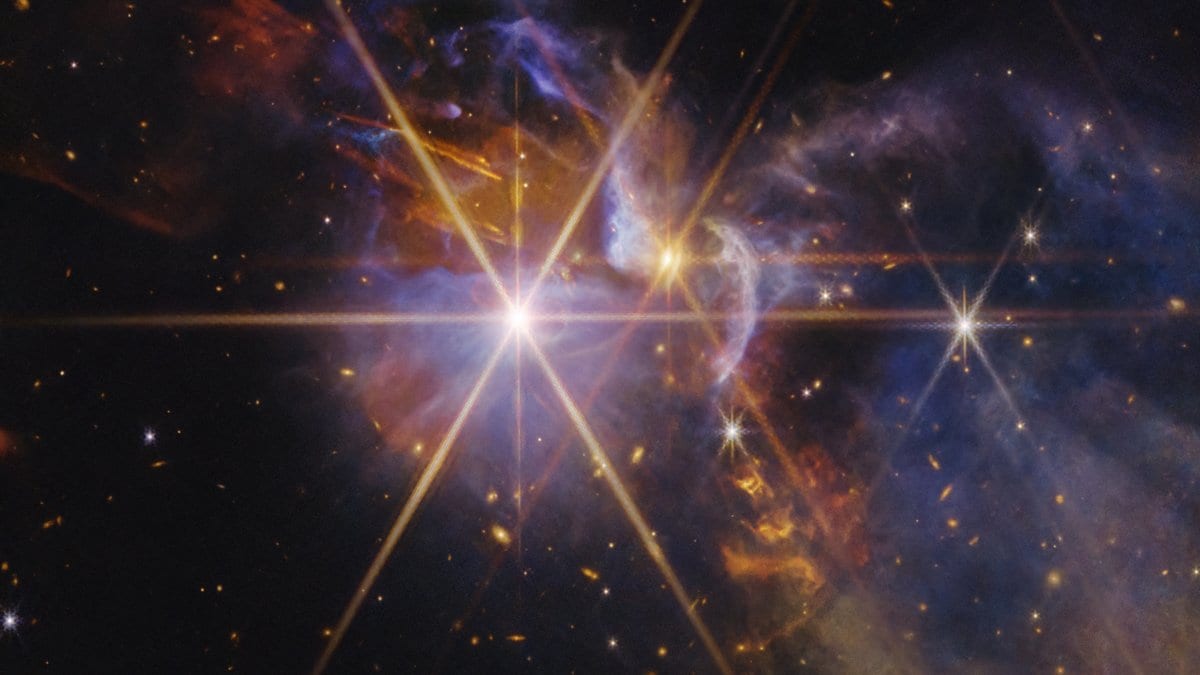
Astronomers have mapped the jets and winds streaming away from 72 planet-forming disks and report that the outflows shift from molecular to atomic as the star draws in less material. The survey,…
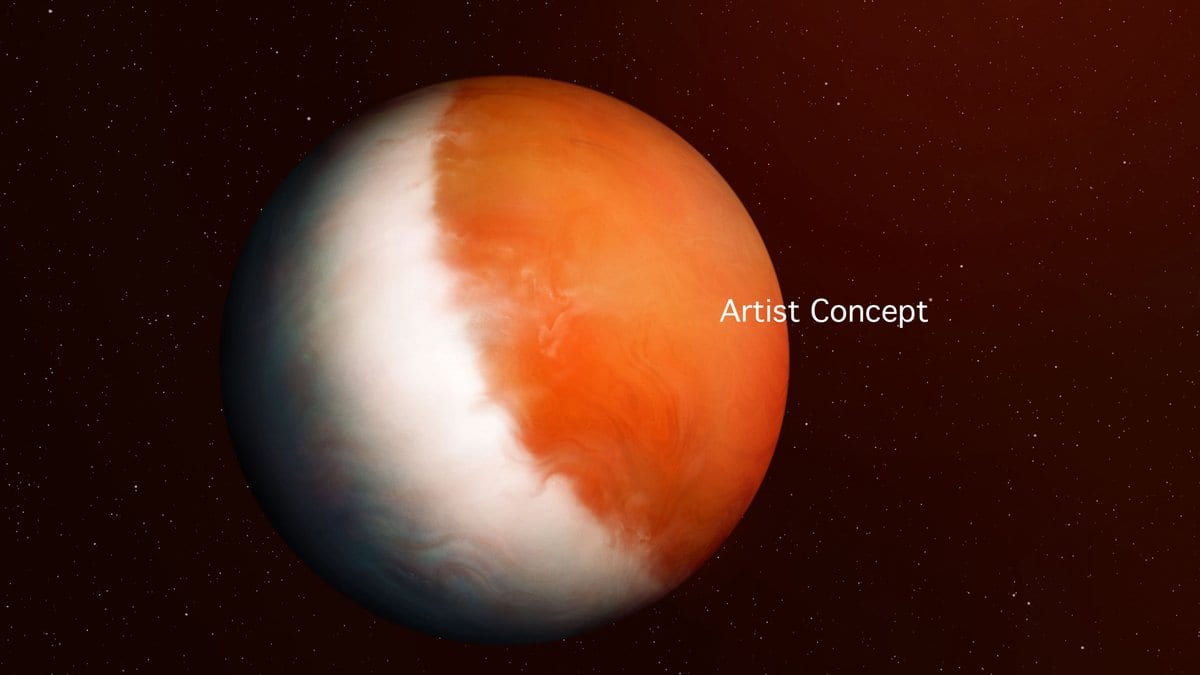
Astronomers have measured the mass and the size of a candidate planet that never passes in front of its star, working from the light it reflects. The result was published Aug. 25 in Astronomy &…
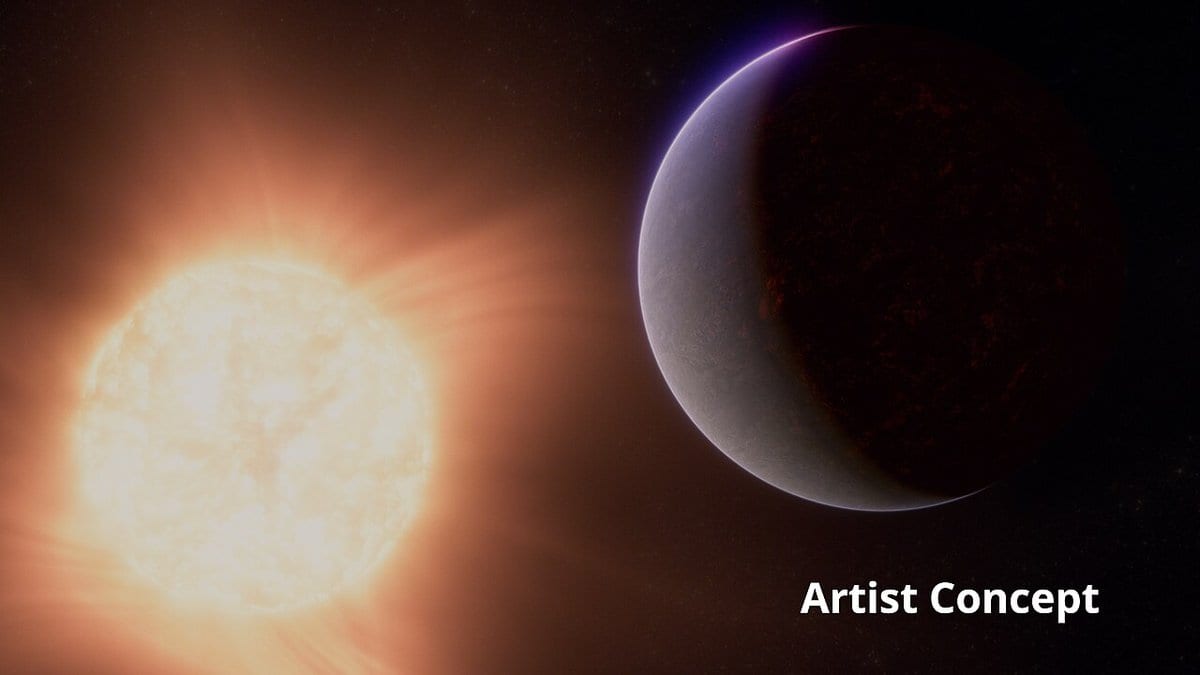
Draw every known rocky planet on one chart, how hard its star bakes it, against how firmly its gravity holds on, and a line appears. Below the line, worlds keep an atmosphere. Above it, they are…
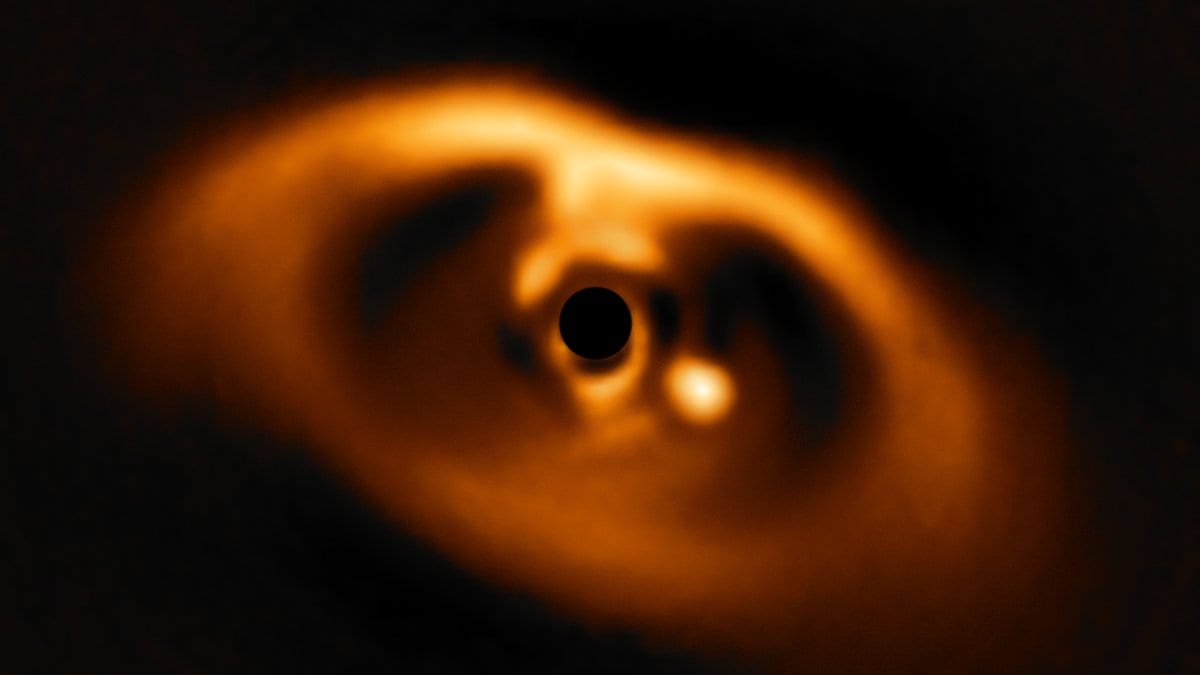
The spectra had been sitting in a public archive for years, taken for someone else's project, a planet hunt at the European Southern Observatory in Chile. On night after night in the spring of 2018…
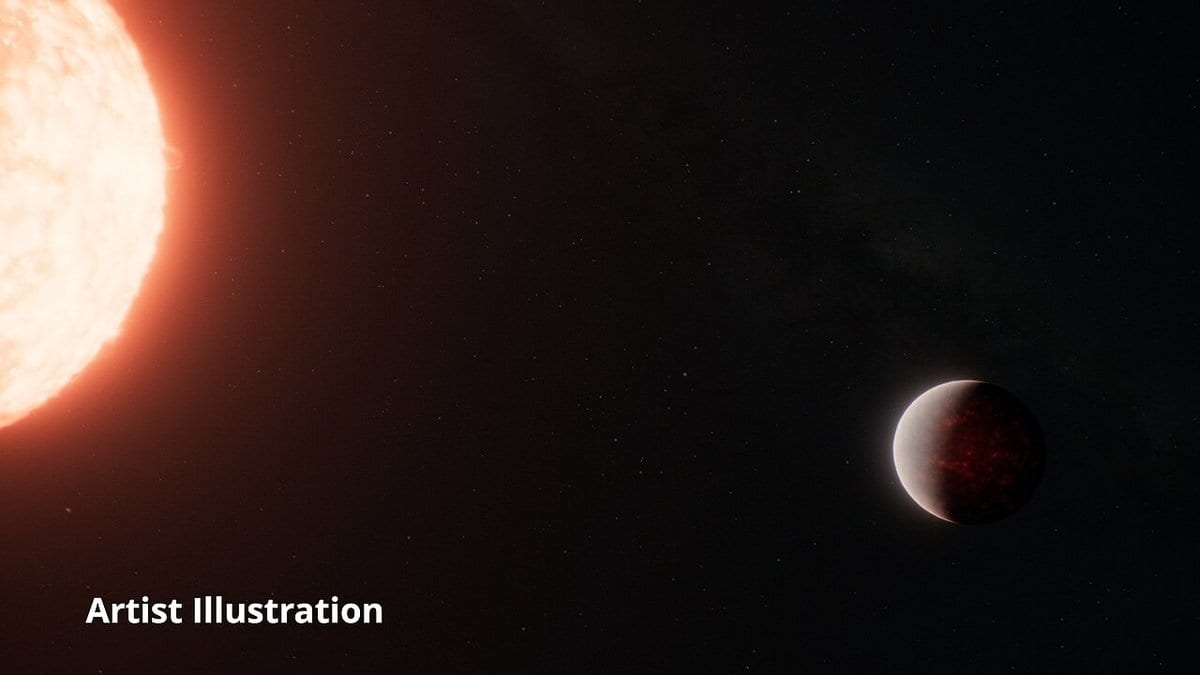
Stand on the daylit side of TOI-561 b and there would be nothing underfoot but rock hot enough to run like water. It is a rocky planet a little larger than Earth, orbiting so close to its star that a…
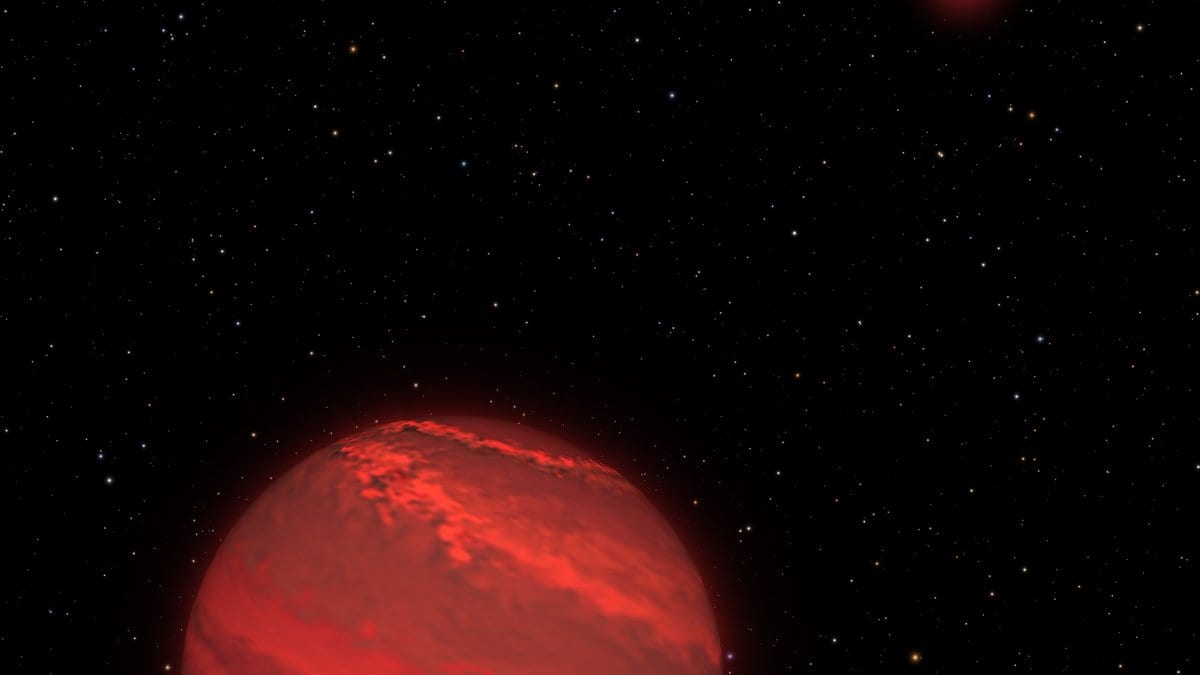
In 1995, two Swiss astronomers watched a star named 51 Pegasi lurch toward and away from Earth on a four-day beat, and read in that tiny rhythm the presence of an unseen planet. The wobble was the…
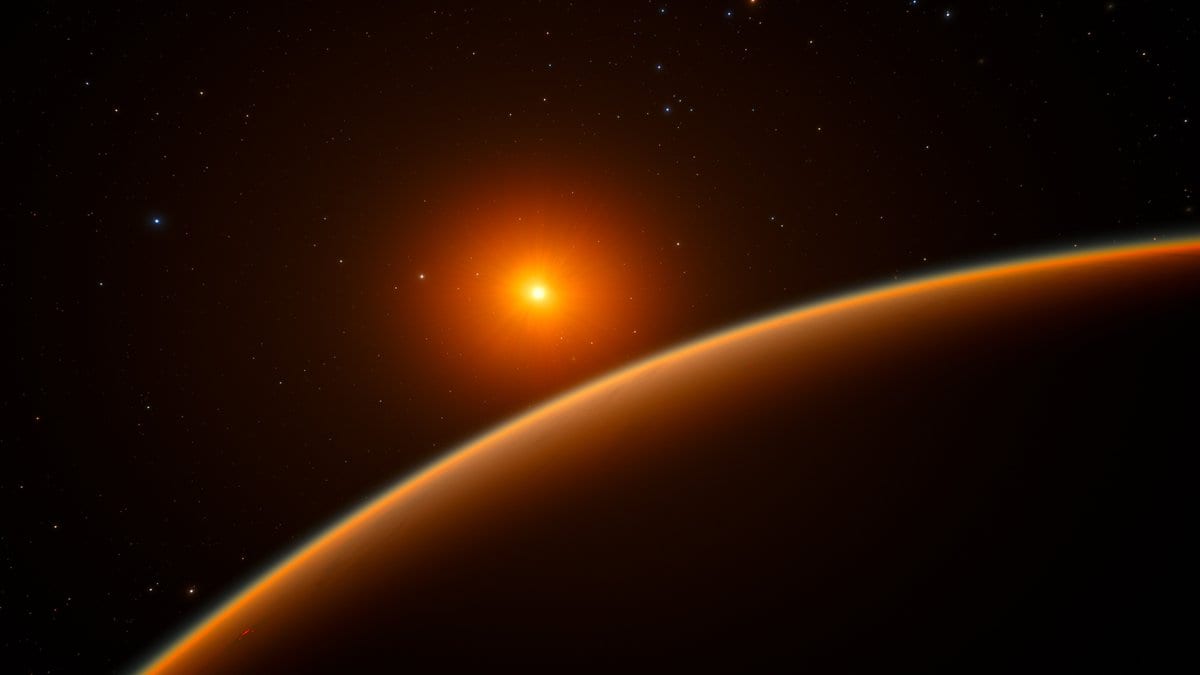
For years, the search for atmospheres on rocky exoplanets has mostly returned bad news. The small worlds that orbit red dwarfs sit close to stars that flare hard and blast them with radiation, and…
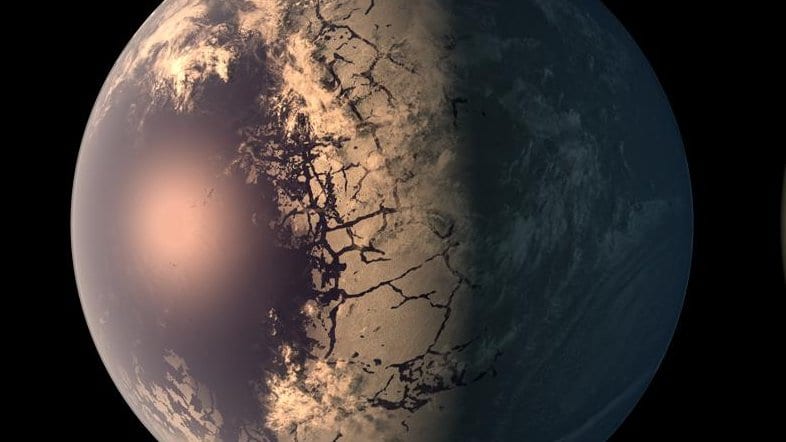
The first JWST transit spectra of TRAPPIST-1 f rule out hydrogen- and helium-dominated atmospheres with surface pressures higher than about 20 millibars, at 95% confidence, a team led by Olivia Lim…