Robots That Grab Each Other and Become a Chain
In one of 11 videos filed with the paper, a single robot leans over a bunch of grapes, closes a claw on one and sets it in a container, reaching the high fruit and the low by stretching and bending…
Open with CtrlK — press Esc to close

Writer
Diana Brinker holds a Bachelor of Science in Mechanical Engineering and a Bachelor of Arts in Physics from the University of Kentucky. She is an engineering and project management professional with experience in manufacturing, facilities engineering, automation, robotics, infrastructure planning, and continuous improvement in high-volume industrial environments.
Her background in physics and hands-on engineering has shaped her interest in how emerging technologies move from research into real-world applications. She follows advances in manufacturing, energy systems, and sustainable infrastructure, with a particular focus on the physics behind complex engineering challenges. Her curiosity also extends to astrophysics, the solar system, and space missions, with a particular interest in the engineering that makes scientific discovery and space exploration possible.
Diana is also committed to STEM education and community outreach. Through her work connecting industry with students and future engineers, she strives to make complex topics in physics and technology accessible to broader audiences.
For ALLATRA Media, Diana covers physics, space, robotics, and energy.

In one of 11 videos filed with the paper, a single robot leans over a bunch of grapes, closes a claw on one and sets it in a container, reaching the high fruit and the low by stretching and bending…

Astronomers have found two quasars (actively feeding supermassive black holes) shining side by side just 900 million years after the Big Bang. NSF NOIRLab, which announced the result Nov. 10, 2026,…

Boston Dynamics has replaced the feet of its Atlas humanoid robot with electric-scooter wheels and driven it with the same learned whole-body controller that normally walks it. The company described…

A research group has found echoes of satellites, rocket bodies and debris fragments in radar data that Europe's Sentinel-1 satellites recorded for ordinary Earth imaging. Reprocessing openly…

A survey of 63,254 stars finds that brown dwarfs, the objects between planets and stars, go missing as close companions at a fixed fraction of the host star's mass, close to 2%, rather than at a…

Three young stars circled by dusty disks with wide, swept-out central holes still have gas reaching deep inside those holes, new ALMA observations show. A. A. Rota of Leiden Observatory and…

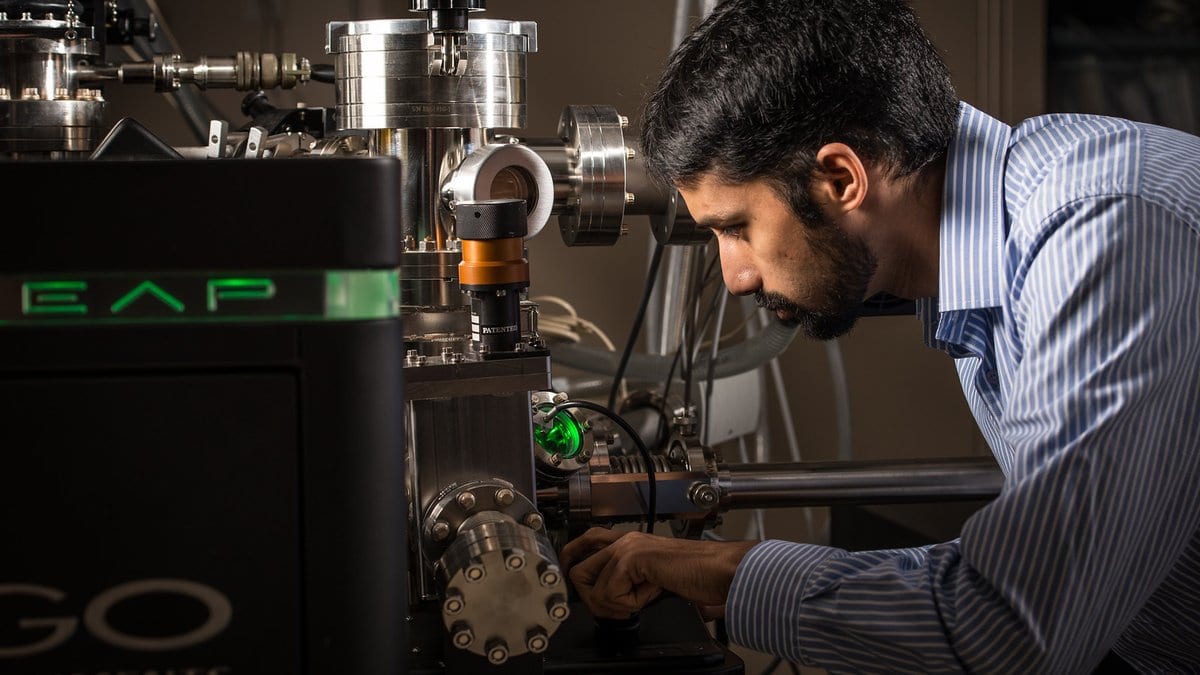
A hydrogen atom dissolved in metal is about the hardest thing in materials science to catch sight of. It is small enough to slip between the atoms of the lattice, too light for most microscopes to…

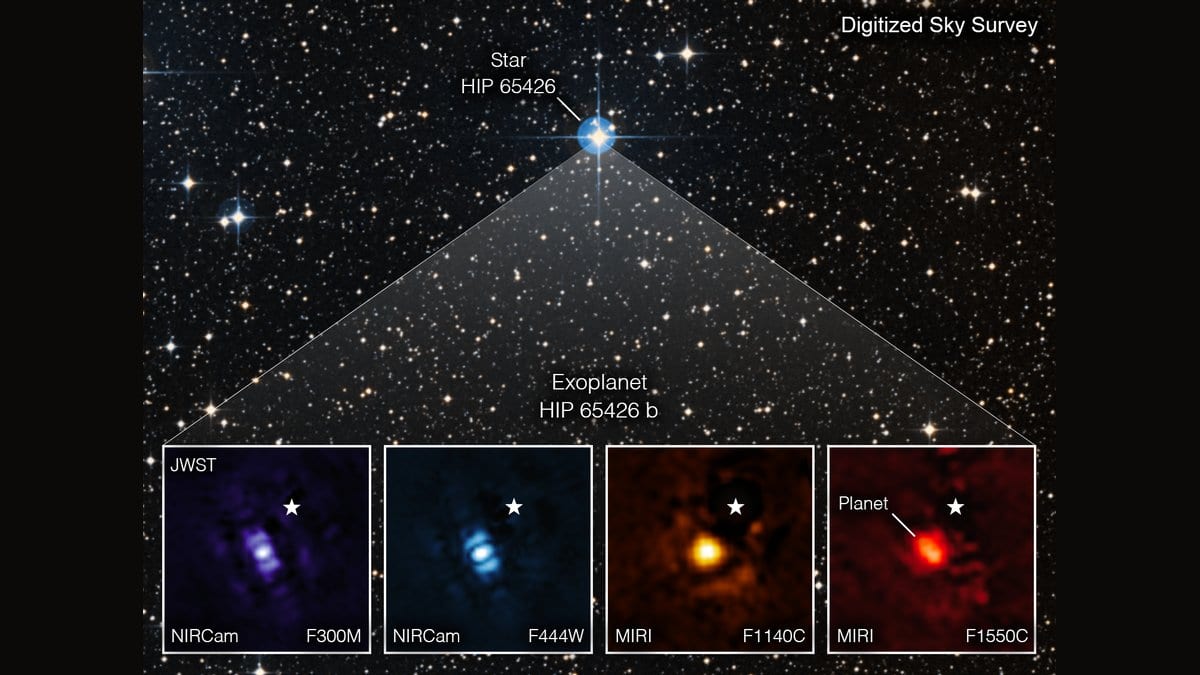
The glare is the whole problem. A young giant planet in the near-infrared is roughly 100,000 times fainter than the star it circles, so nearly everything between an astronomer and a picture of it is…

Two astronomers at McGill University report that every known rocky planet heavier than about 10 Earth masses orbits a magnetically active star, and they conclude the masses are inflated by the star…

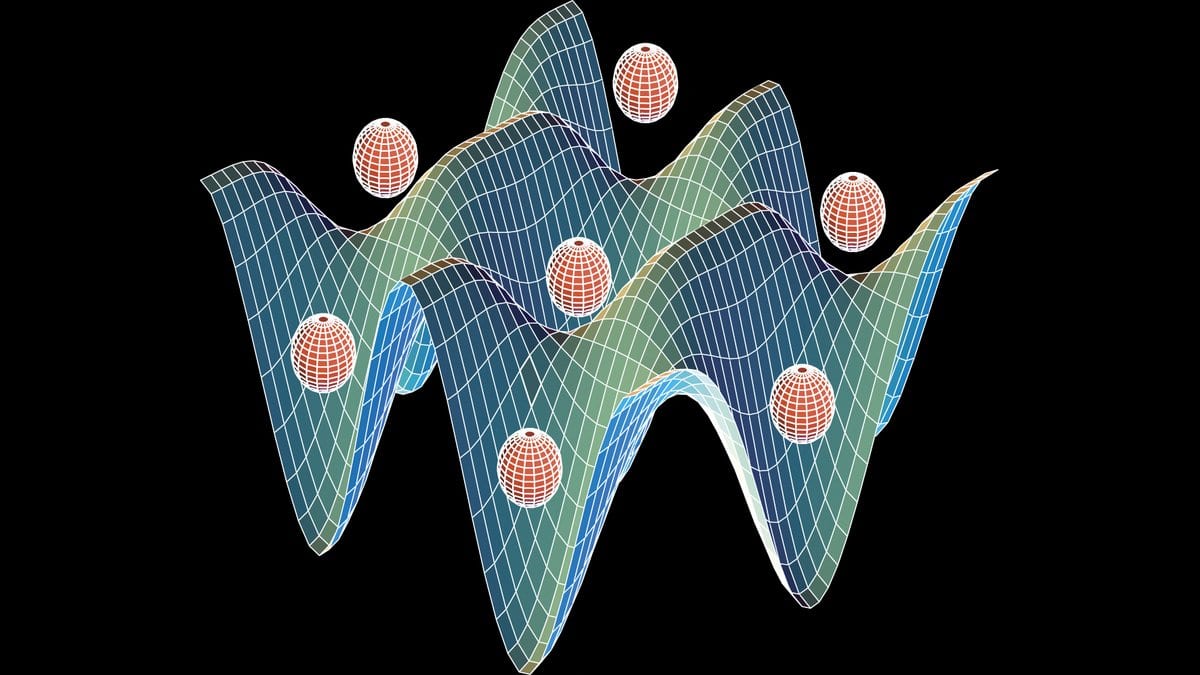
A team of physicists has extended single-atom imaging to a lattice gas built from three kinds of atom rather than the usual two, reading off both the site each atom occupied and which kind it was. In…

Wei Xiong of Peking University and colleagues report that they cooled a cloud of about 20,000 atoms in a trap made of laser light aboard the China Space Station to an equivalent temperature of 9.7…

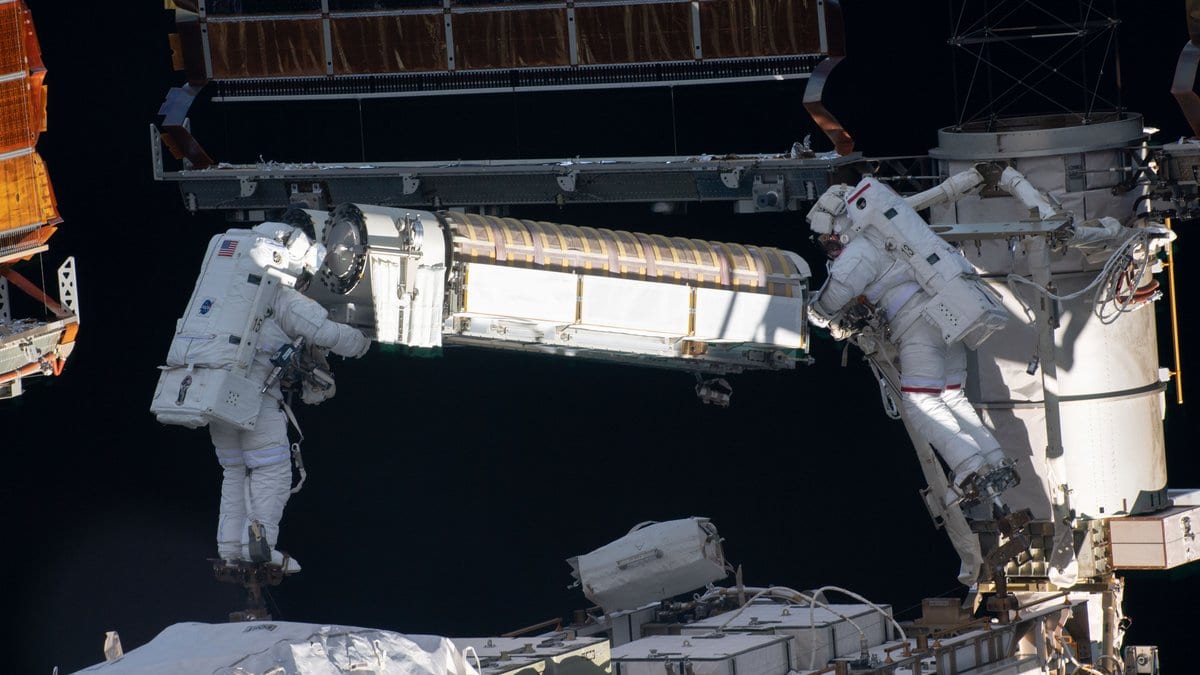
NASA astronaut Anil Menon and Canadian Space Agency astronaut Joshua Kutryk installed the eighth and final roll-out solar array on the International Space Station on Nov. 5, 2026, and unfurled it on…