Rooftop Solar Generates Nearly Five Times What It Did a Decade Ago, US Agency Estimates
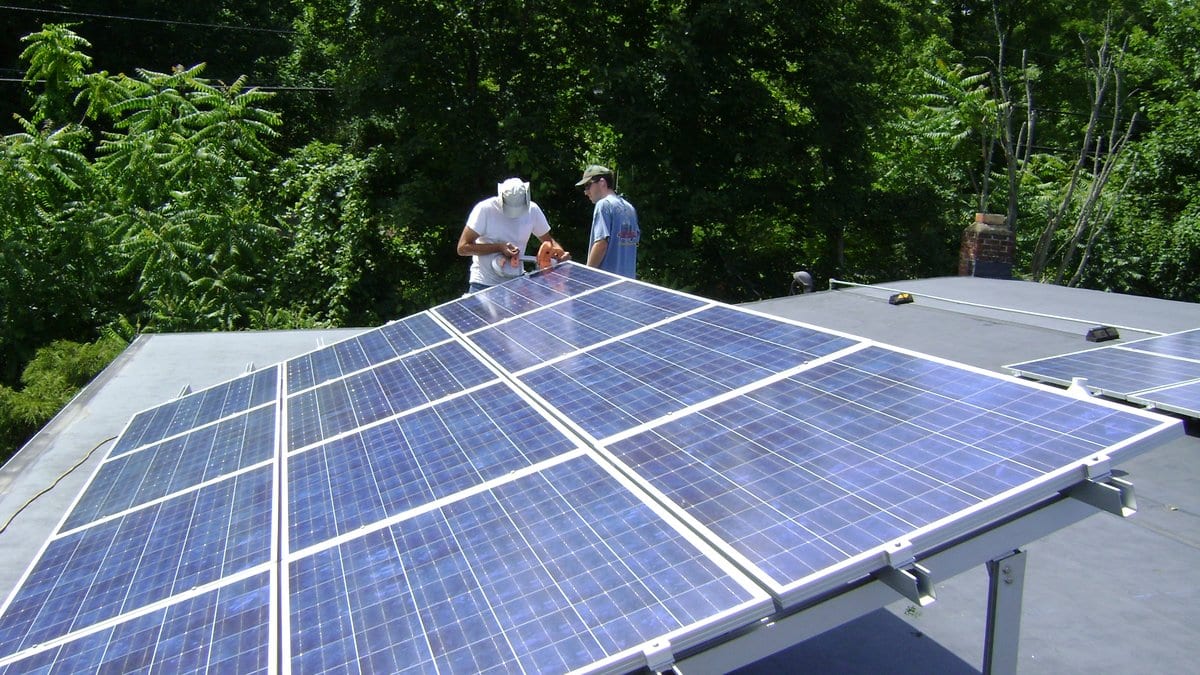
The US Energy Information Administration estimates that generation from the country's rooftop and other small solar systems has reached 92,979 gigawatt-hours of electricity, up from 18,812 a decade earlier. The figures were published Oct. 16, 2026, and cover any system smaller than 1 megawatt of capacity.
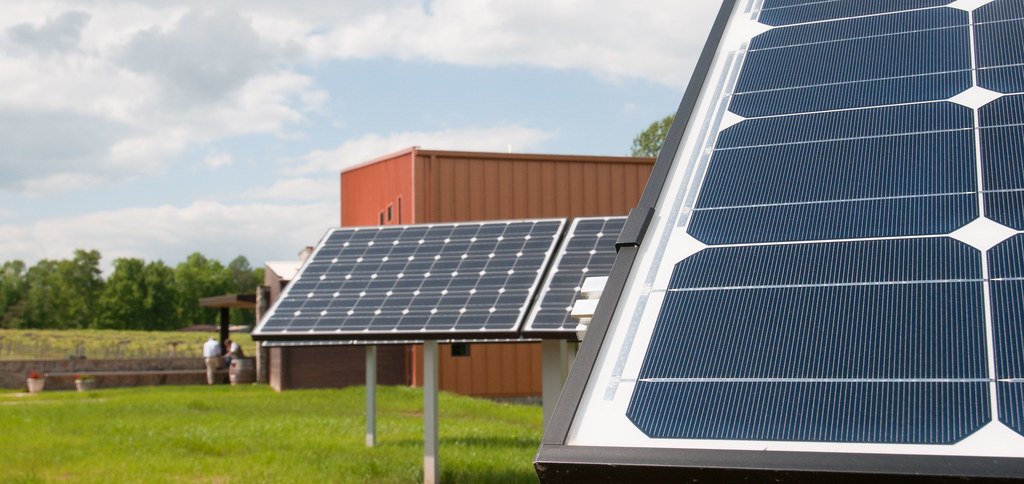
EIA says electric utilities do not necessarily know how much power the rooftop panels on their own networks produce, so the generation has to be estimated rather than measured. It surveys utilities for the number of customers with small-scale systems and their combined capacity, then models the output.
California accounted for 37% of that national total in 2025. That is a share of small-scale solar generation, not of all US solar or all US electricity. Arizona, Texas and Florida follow, all four of them in regions with more abundant sunshine. New York ranks fifth even though it gets less sun.
Generation is still rising, but the rate of growth has declined since 2022.
These figures come from the agency's Annual Electric Power Industry Report. The generation is modeled with National Renewable Energy Laboratory tools, the System Advisor Model and PVWatts, using data on the tilt angles and orientations common on California systems as a stand-in for other states.