Brazil Reports Its Lowest Amazon Clearing Since Records Began in 1988
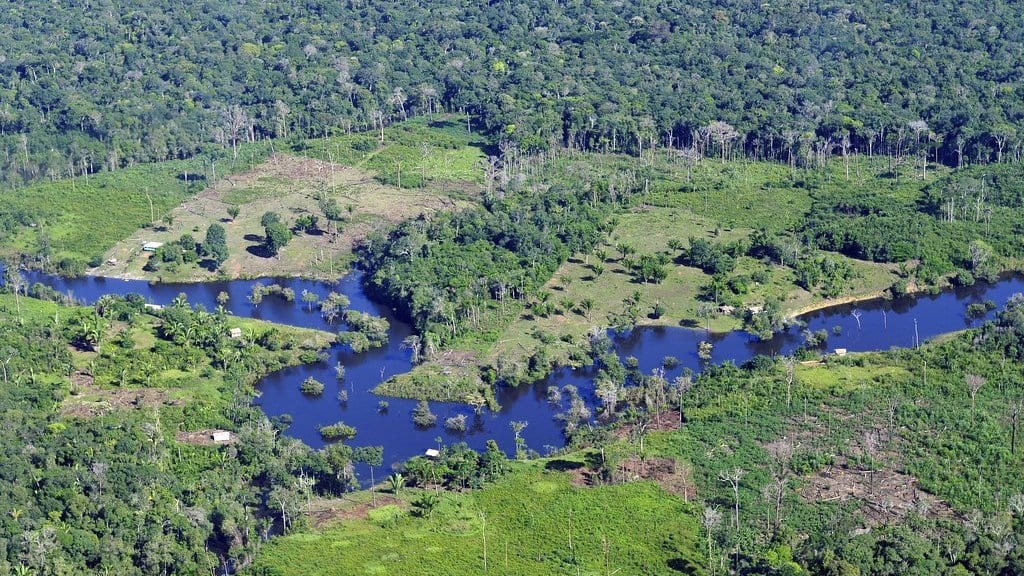
Brazil's National Institute for Space Research (INPE) reported Oct. 16, 2026, that 3,335 square kilometers of native vegetation were cleared in the Amazon between August 2025 and July 2026, down 41.8% from the year before and the lowest annual total since its satellite series began in 1988.
The figure comes from Prodes, which the institute calls the official annual survey of native vegetation clearing, measured from satellite images. INPE says the Amazon total released at this point in the year is an estimate built from a priority set of images, and that the consolidated rate, calculated from all of the biome's images, follows in the first half of the next year.
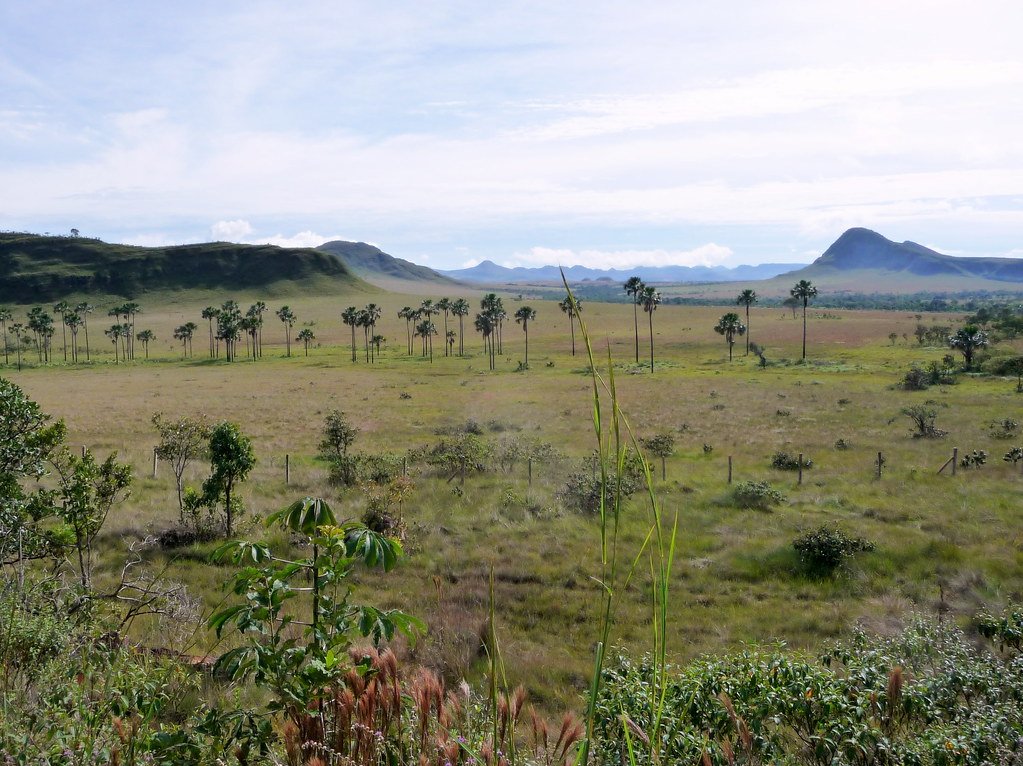
For the Cerrado, the savanna that covers central Brazil, INPE gave 5,516.69 square kilometers, the lowest in a series that starts in 2001. The institute said that figure is already its consolidated rate, because the mapping covered the whole biome.
The previous low in the Amazon series was 4,571 square kilometers in 2012. The institute also separates clearing from degradation, a loss of the vegetation's quality, structure or functions without its removal, and says Prodes counts the point at which progressive degradation costs a forest its canopy and collapses its structure.
INPE keeps this annual count separate from Deter, its near-real-time alert system, and says that adding up Deter's alerts does not reproduce the annual Prodes result. It adds that the annual rate is not a balance sheet: it does not subtract restored land from the loss it records, so a smaller clearing total is not a measure of forest returning.
The institute publishes the full series, the maps and downloadable files for both biomes on its TerraBrasilis platform, with technical notes for each.