A Humanoid Built to Lift With You, Not for You
Most humanoid robots are designed in the order you would expect. First, the engineers settle the body: the length of the limbs, where the motors sit, and how much each joint can push. Only then does…
Open with CtrlK — press Esc to close

Writer
Diana Brinker holds a Bachelor of Science in Mechanical Engineering and a Bachelor of Arts in Physics from the University of Kentucky. She is an engineering and project management professional with experience in manufacturing, facilities engineering, automation, robotics, infrastructure planning, and continuous improvement in high-volume industrial environments.
Her background in physics and hands-on engineering has shaped her interest in how emerging technologies move from research into real-world applications. She follows advances in manufacturing, energy systems, and sustainable infrastructure, with a particular focus on the physics behind complex engineering challenges. Her curiosity also extends to astrophysics, the solar system, and space missions, with a particular interest in the engineering that makes scientific discovery and space exploration possible.
Diana is also committed to STEM education and community outreach. Through her work connecting industry with students and future engineers, she strives to make complex topics in physics and technology accessible to broader audiences.
For ALLATRA Media, Diana covers physics, space, robotics, and energy.

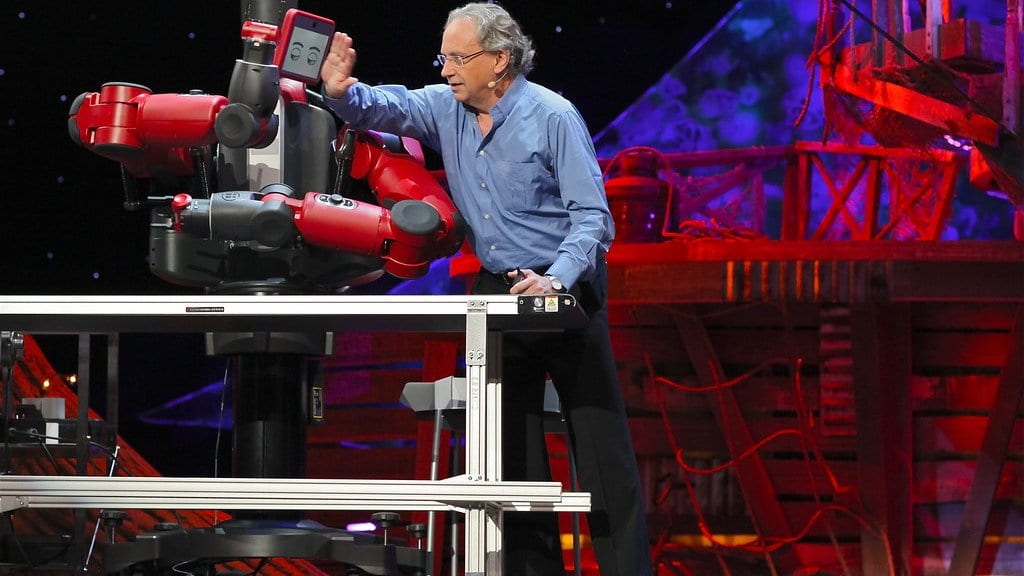
Most humanoid robots are designed in the order you would expect. First, the engineers settle the body: the length of the limbs, where the motors sit, and how much each joint can push. Only then does…

In the year 1181, astronomers in China and Japan noted a new star in the sky, a "guest star" that lingered for months before fading. Eight and a half centuries later, that entry in the historical…

TESS has one job, and for eight years it has done it well: stare at stars and wait for a planet to cross in front of one, dimming its light by a fraction of a percent. That method, the transit, has a…

For decades the recipe for an aurora seemed to demand something Mars simply does not have: a planet-sized magnetic field. Earth's aurora is fed by one. So is Jupiter's, and Saturn's. Mars lost its…

For years, the perovskite polariton laser has had an awkward secret: to make it shine, you had to shine another laser at it. That is not a small caveat. A laser you can only switch on with a second,…

Supernovae are hard on families. When a massive star collapses and blows off its outer layers, the sudden loss of mass and the kick delivered to the remnant usually wreck whatever gravitational…

Somewhere on the Moon, a rock the size of a fist arrives at tens of kilometers per second and stops. There is no atmosphere to slow it and nothing to burn it up on the way, so all of that energy has…

The whole trick of super-resolution microscopy is a kind of accounting. You cannot see a fluorescent molecule; you can only see the smeared blob of light it throws onto a camera, and that blob is…

A ball comes in at a humanoid robot standing in a Caltech lab. It has no motion-capture rig watching the room, no external tracker, no operator feeding it coordinates. All it has is a camera on its…

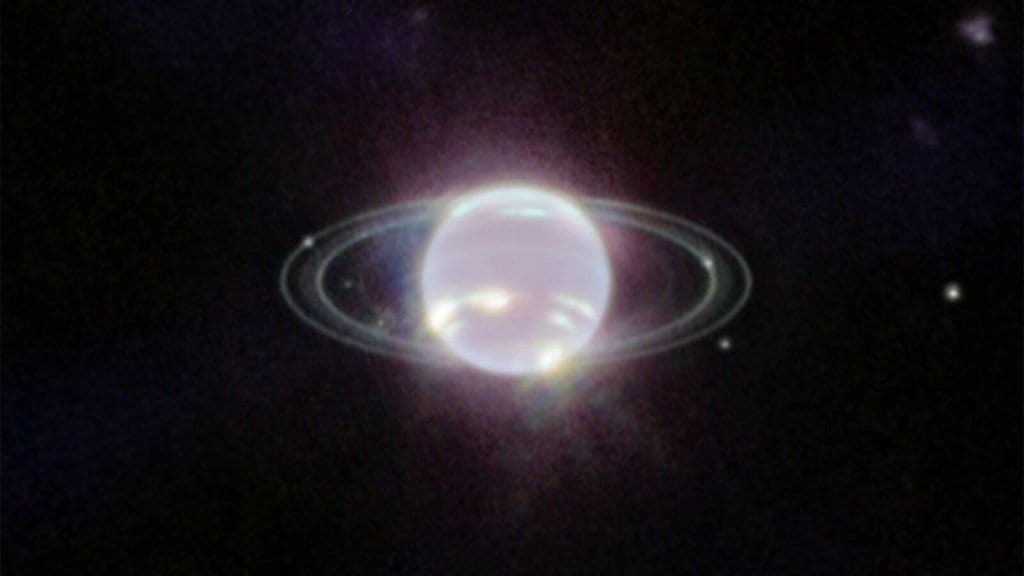
Ryleigh Davis was not looking for clay. She and her colleagues at Caltech had aimed the James Webb Space Telescope at Neptune's rings and three of its small inner moons to answer a plainer question:…

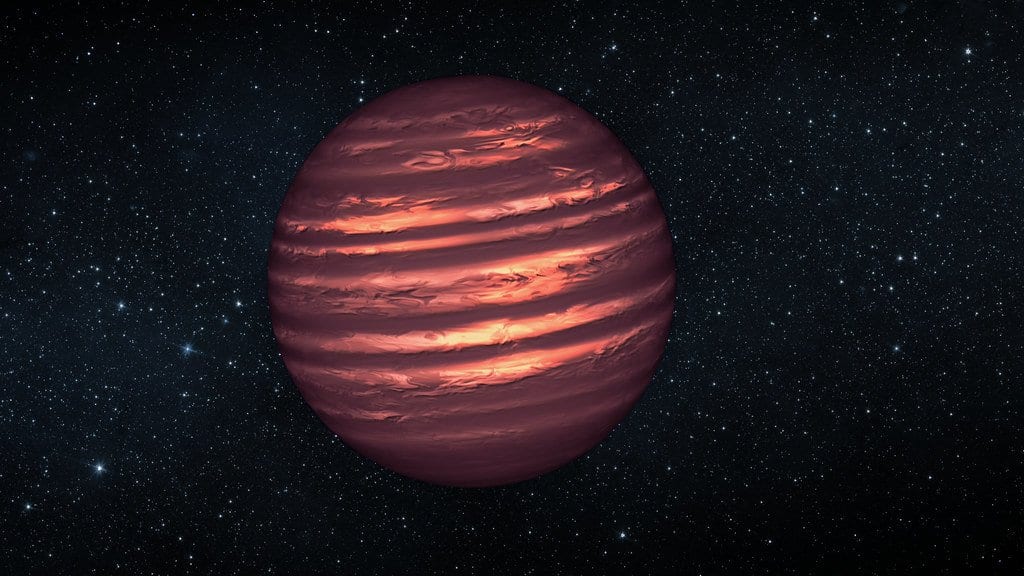
A brown dwarf never quite made it as a star. Too heavy to be a planet, too light to sustain the hydrogen fusion that powers the Sun, it spends its life slowly cooling. The coldest of them, the…

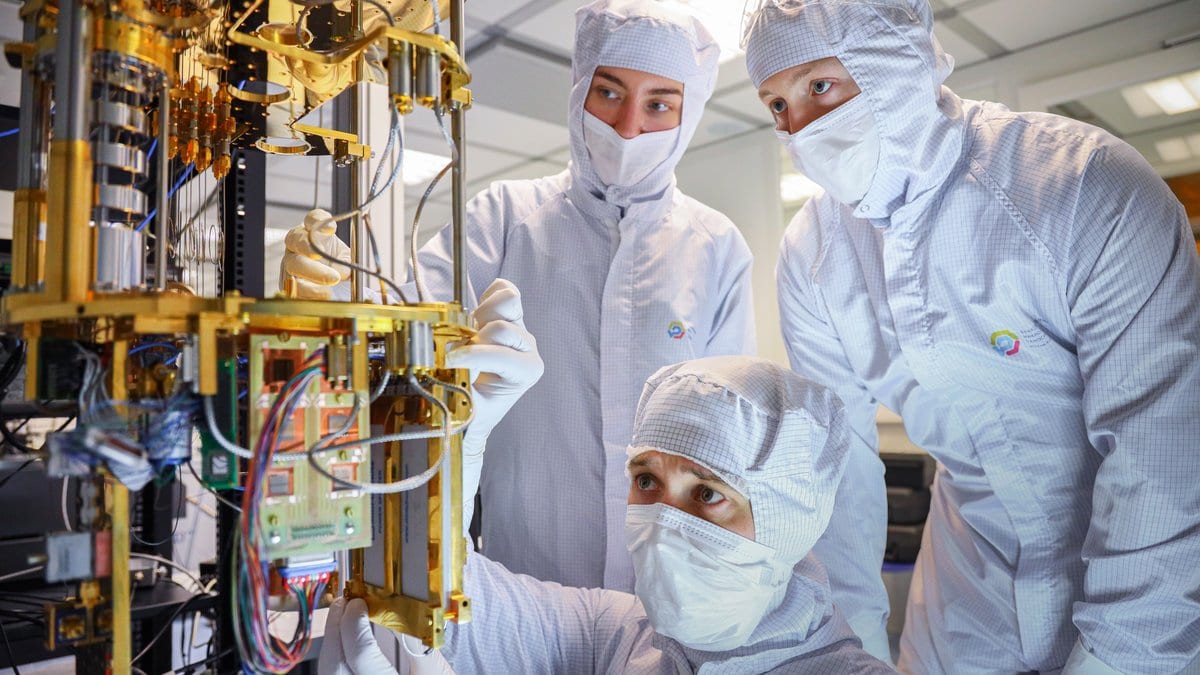
Every quantum engineer spends their career at war with the same opponent. A qubit holds its delicate state for only so long before energy bleeds away into its surroundings and the information…