NASA's Swift Space Telescope Came Down Over Indonesia After Almost 22 Years
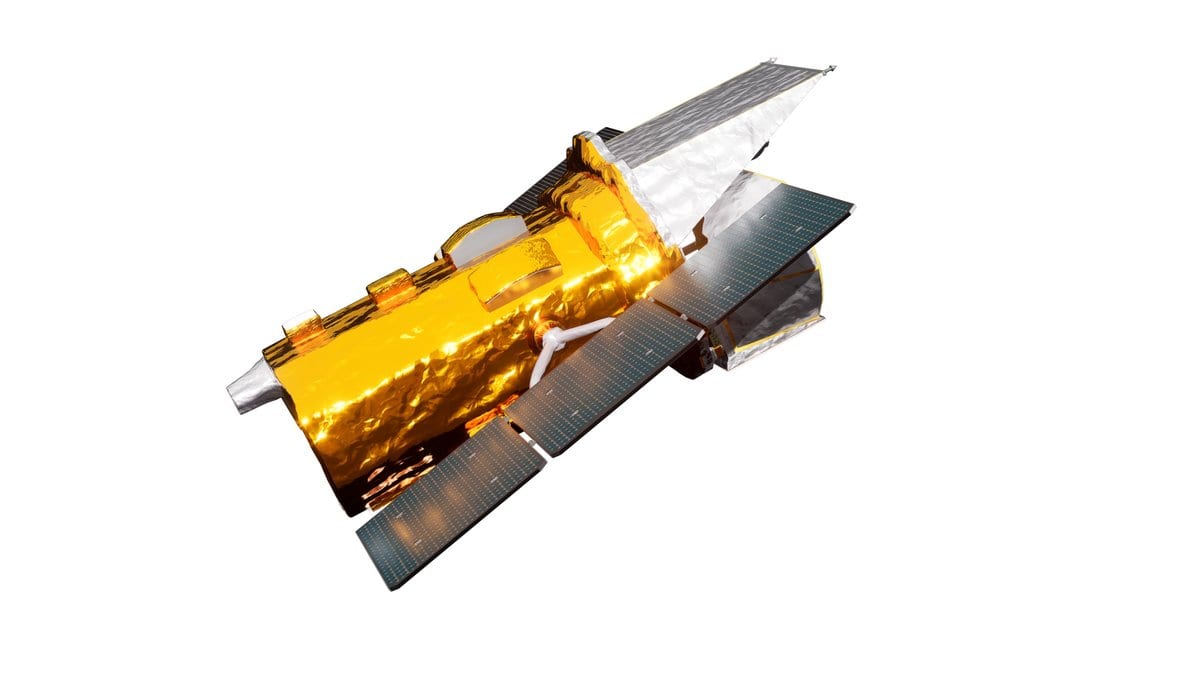
NASA's Neil Gehrels Swift Observatory re-entered Earth's atmosphere on Nov. 4, 2026, almost 22 years after it launched. NASA said the U.S. Space Force confirmed the re-entry at 7:39 a.m. EST over the North Sumatra region of Indonesia.
The agency said it expected most of the spacecraft to burn up on the way down, and that some components may have survived. Swift launched in 2004 to catch gamma-ray bursts, the universe's most powerful explosions, and to turn onto them fast enough for other telescopes to follow the light before it faded.
The satellite was built for a two-year prime mission, and what ended it was atmospheric drag. NASA said in its update on the Swift blog that recent solar activity increased the drag on Swift, which began to sink rapidly, and that a servicing mission that could have raised its orbit ended in August without an attempt to boost it.
On Oct. 23, 2026, NASA announced that Swift had concluded operations ahead of re-entry, after the spacecraft could no longer compensate for the drag and its operations team at Penn State in University Park sent the command that prepared it for re-entry.
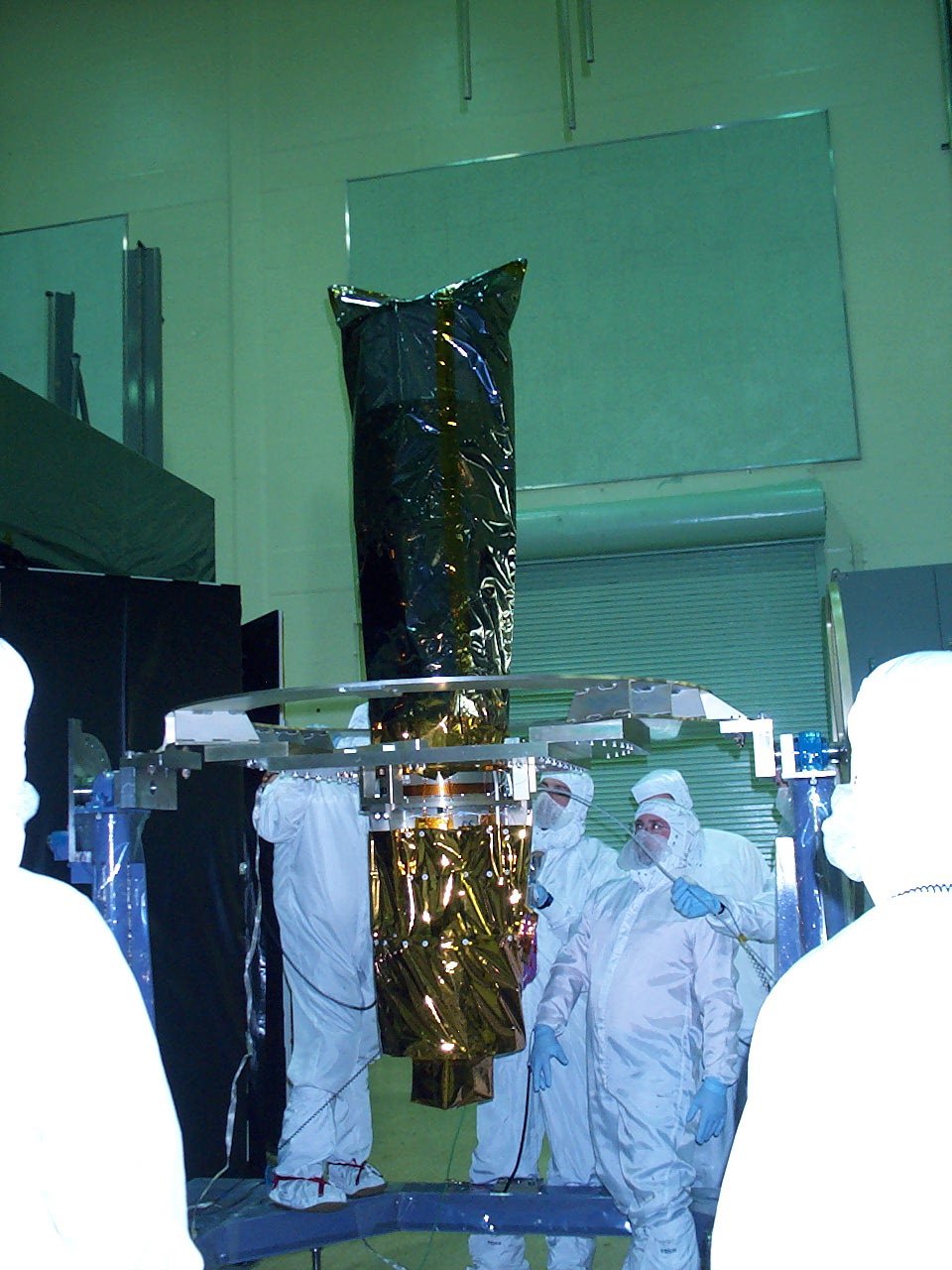
NASA said Swift's three telescopes covered a wide range of light, and that the satellite sent alerts other facilities used to follow up on short-lived outbursts. Its targets ranged from exploding stars and X-ray flares to comets and asteroids in our own solar system.