Mars Orbiter Finds Hydrogen Chloride Over One Volcano, out of Season
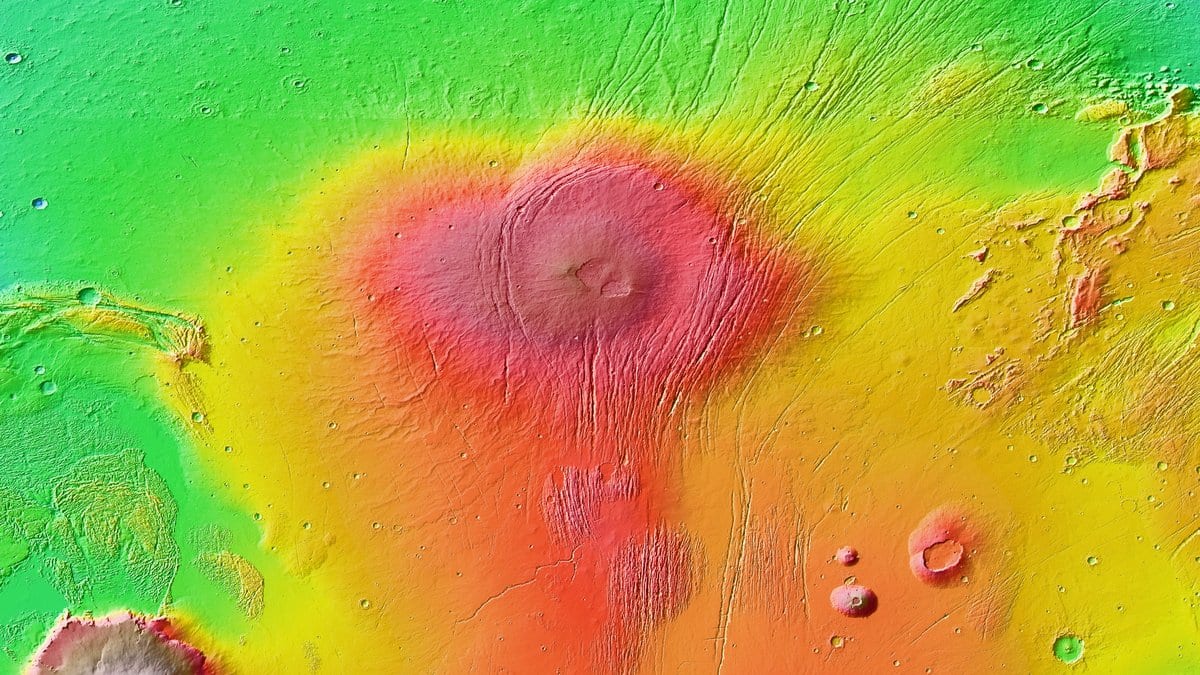
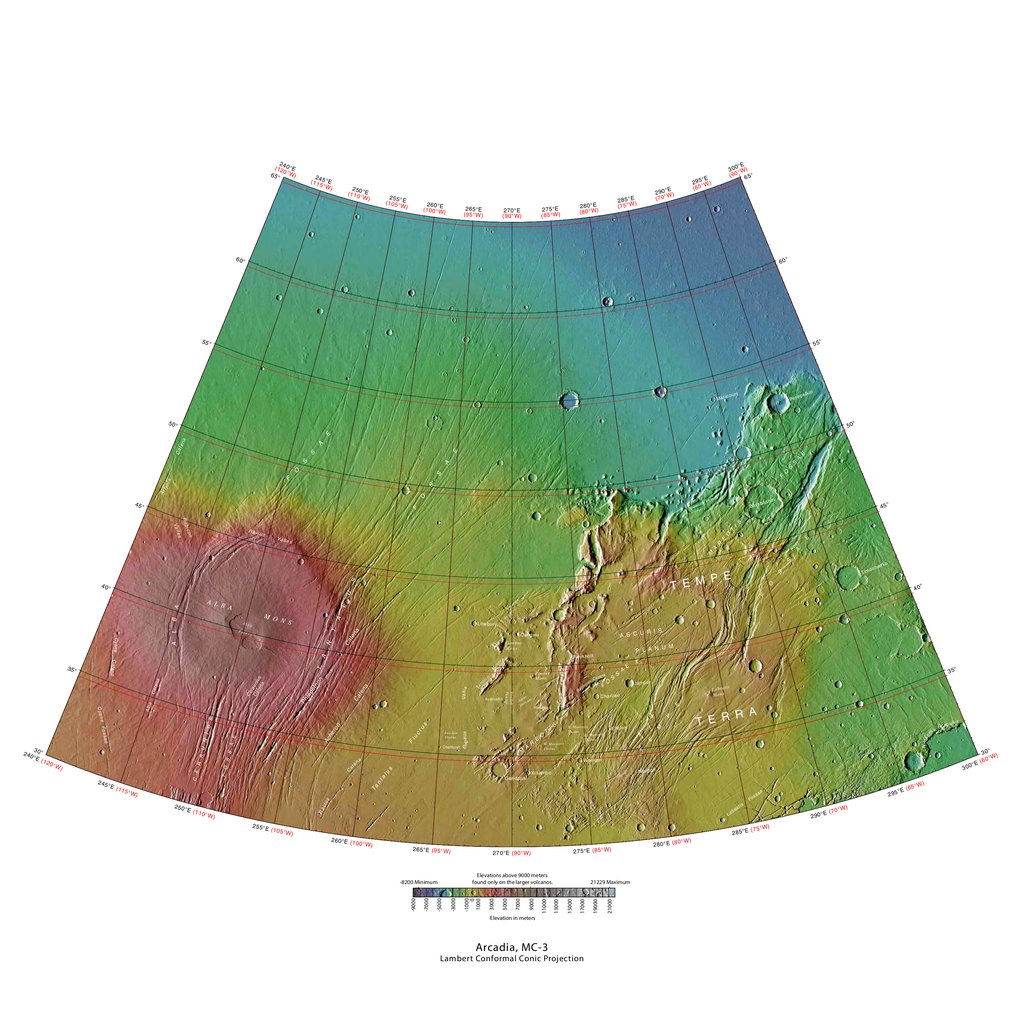
A team led by Alexander Trokhimovskiy of the Space Research Institute of the Russian Academy of Sciences reports that the Atmospheric Chemistry Suite on the European and Russian ExoMars Trace Gas Orbiter found hydrogen chloride isolated above Alba Mons, a volcano on Mars. The detections came during the cold aphelion season, when the planet is farthest from the sun. Earlier detections of the gas were widespread rather than local and came in the warm half of the Martian year; the paper's own title calls the new ones enigmatic.
Writing in Science Advances, the team presents the gas as a way to look for live magma under the Martian surface. Sulfur dioxide, the gas that would testify to eruptions going on now, has not been detected. Halogen gases such as hydrogen chloride may be the better marker of an active magma chamber.
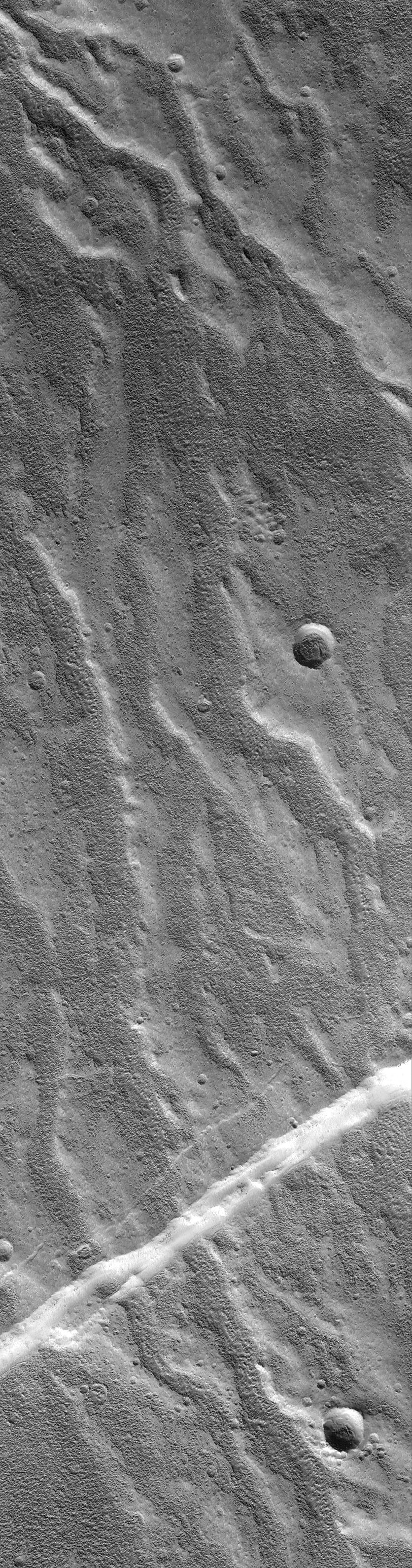
The paper reports that the warm-season detections sat at part-per-billion levels, a trace amount, and were attributed to aerosol and atmospheric sources. The new ones are confined to the Alba Mons region. In that area, the team also identified fresh, narrow fissures less than 1 meter wide, which it interprets as possible routes for the gas from bodies of magma deep below.
Mars has long been described as volcanically quiet. The authors note that marsquakes have been detected and that signs of volcanism younger than tens of millions of years have been accumulating; they write that their results are "best explained by ongoing igneous processes in the Martian interior."
Nicolas Thomas of the University of Bern is the paper's senior author. The European Space Agency and Roscosmos are among the funders the paper lists.
Sources
- Science AdvancesPeer-reviewed