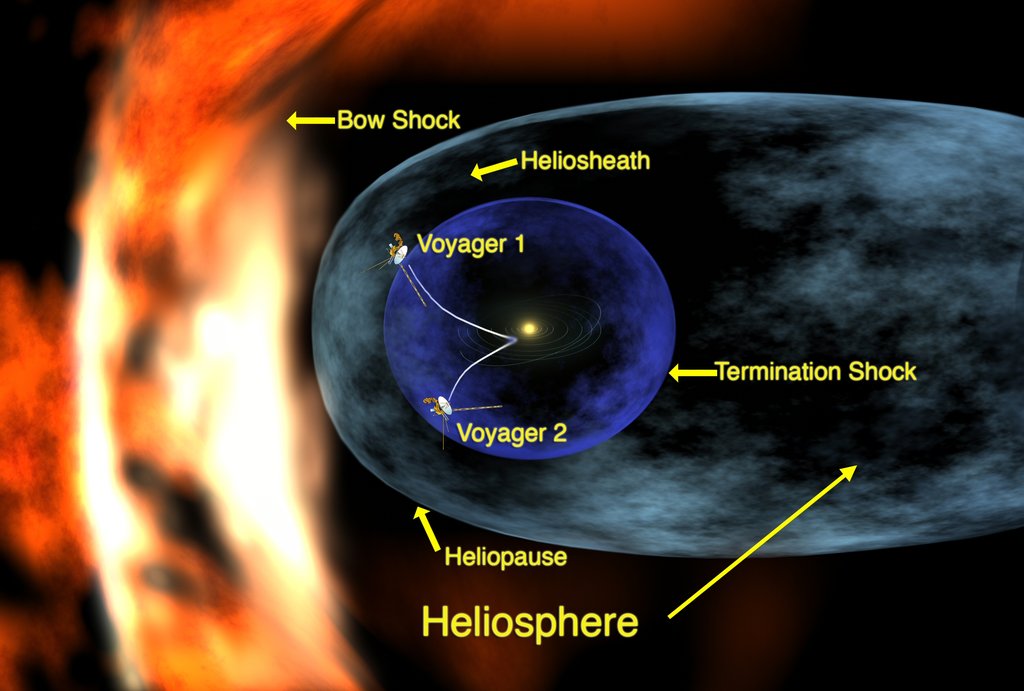
Voyager 1 Fell Silent for Two Days, Then Came Back on Its Own
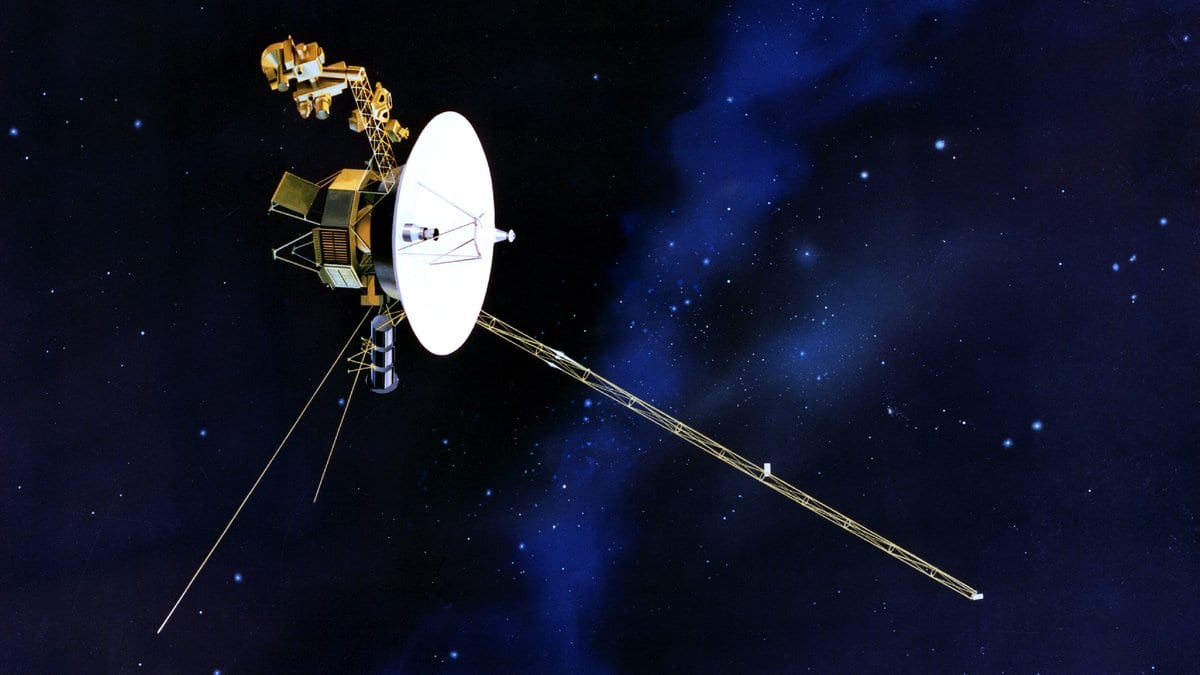
Voyager 1 stopped answering NASA's antennas for 48 hours in October, then restored the link by itself before engineers sent any troubleshooting commands. NASA reported that episode on Oct. 29, 2026, together with the early-September completion of a swap that cut the spacecraft's power draw.
NASA says the swap will let Voyager 1's remaining science instruments run longer than previously anticipated, and that without it the mission would have had to turn off another instrument as early as summer 2027.
Engineers turned off three devices on the probe and substituted lower-power alternatives in one operation. The devices help keep Voyager 1 warm, and NASA says only a simultaneous swap could cut power use while keeping heat properly distributed. NASA ran the same swap on Voyager 2 first.
The Voyagers draw electricity from the heat of decaying plutonium, and NASA says both lose about 4 watts a year as it decays. Voyager 1, launched in 1977, has had instruments and nonessential systems switched off as its power margin thinned.
The silence began when NASA's Deep Space Network antennas could not detect Voyager 1's radio signal during scheduled communication attempts on Oct. 18 and 19, 2026. The signal reappeared on Oct. 20, 2026, and NASA says contact has held since. Engineers have determined that a group of thrusters went offline and the backups turned on, a switch the spacecraft's computers make on their own when they detect a thruster problem. The cause is still being investigated.
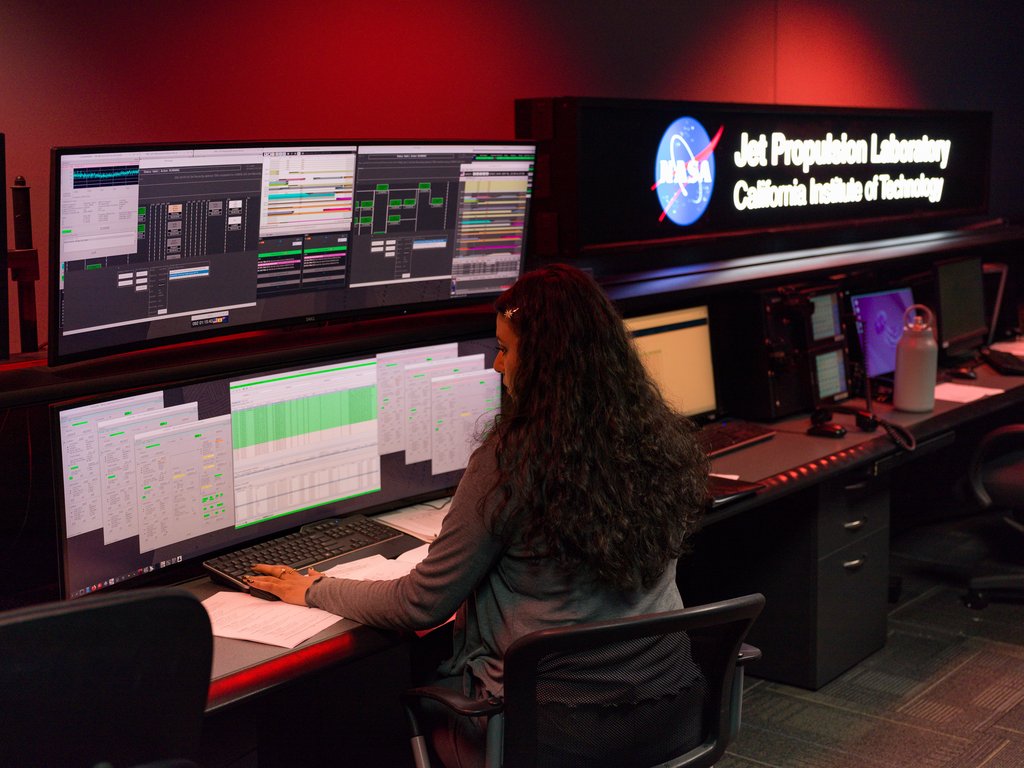
"This is the first time we've seen the spacecraft do something like this, but we are also at a point in the mission where we have to expect the unexpected," said Kareem Badaruddin, Voyager mission manager at NASA's Jet Propulsion Laboratory.
NASA says that on Nov. 18, 2026, Voyager 1 will be one light-day from Earth, the distance light covers in a day. "If you want to say 'hello' to Voyager, you send your message and then you go home and you wait two days before you finally get a response," said Suzanne Dodd, Voyager project manager at JPL.