Satellite Study Finds Daytime Cooling, Not Warming, Around Tokyo-Area Data Centers
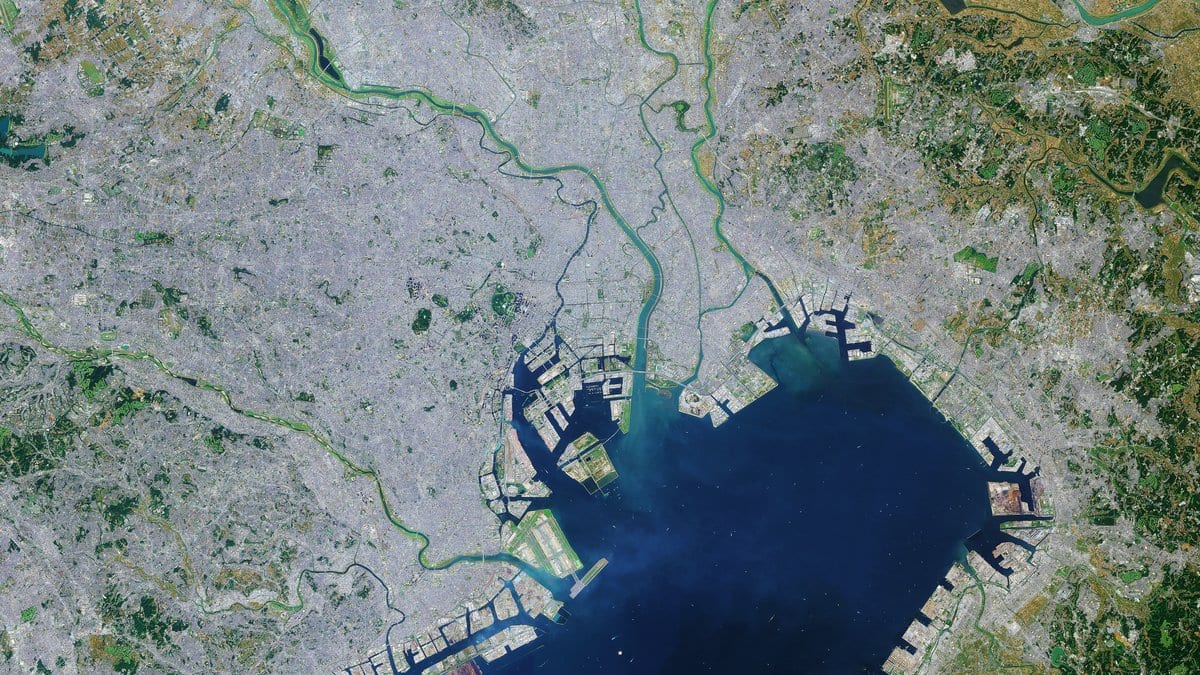
A peer-reviewed analysis of twelve data centers built near Tokyo between 2011 and 2025 reports that the land around them cooled by day once each site opened, rather than warming. The study puts that daytime cooling at 1.8 °C to 2.2 °C and finds that changes at individual sites late at night were indistinguishable from zero.
What the work tests is an earlier estimate: a coarse-resolution satellite preprint attributed about 2 °C of land-surface warming to data centers worldwide. The new Letter calls that estimate "the viral claim" and reports a signal of the opposite sign. It was published Nov. 4, 2026, in Environmental Research Letters. Its author also notes that no major data-center market assesses local temperature impact before construction, and offers the method as an after-the-fact check.
The Letter has one author, Jiawei Jing, and the only affiliation listed in the publisher's deposited record is Makuhari Development Corporation, a property developer. The paper is open access.
The analysis combines daytime Landsat imagery back to 2013, day and night readings from two other satellite instruments, ECOSTRESS and MODIS, and the facilities' own energy disclosures, all set against comparison sites that predate the build-out. For the cluster as a whole, it bounds any nighttime surface warming at 0.24 °C to 0.29 °C.
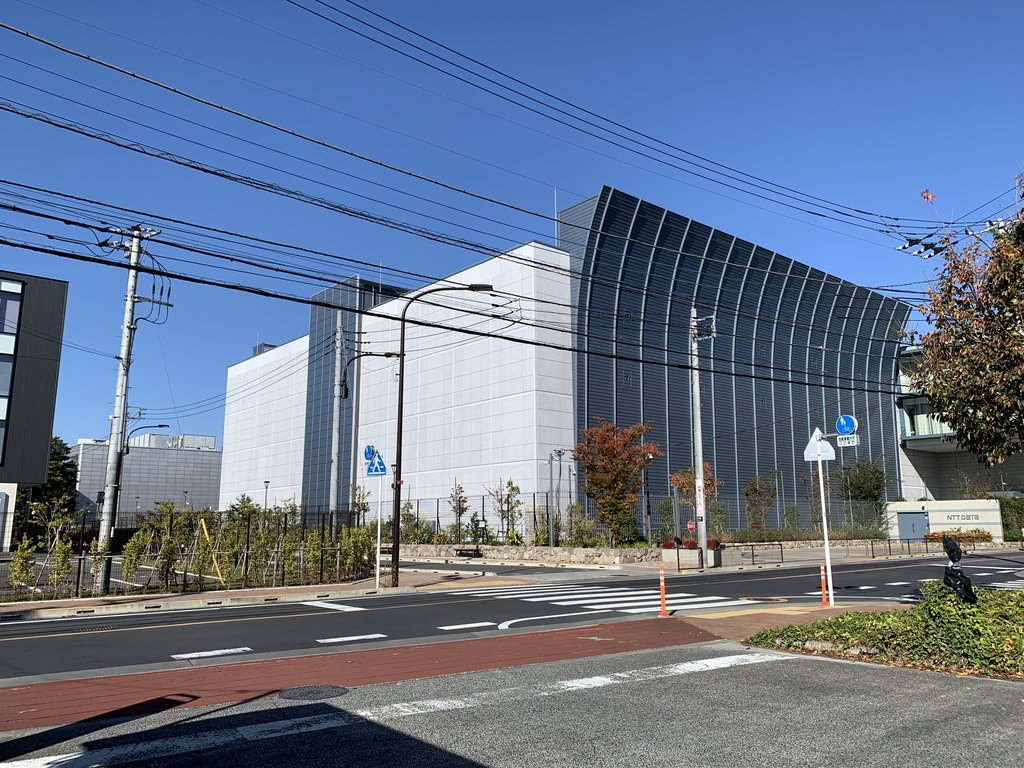
The sharper argument does not come from the imagery. By the author's calculation, warming of that size in the air would require 6 to 43 times as much waste heat as the facilities actually reject, and that energy budget, rather than the satellite records, is what mainly excludes warming at the claimed magnitude.
The paper does not conclude that data centers warm nothing. It reports that air warming close to the source is real where heat rejection is dense and the climate dry. In consistency checks at Phoenix and DeKalb, the author reports night surface warming largely in place during construction, before any servers were running, and matching nearby development that was not a data center.
Sources
- Environmental Research LettersPeer-reviewed