NASA's Swift Telescope Ends Its Mission After 22 Years in Orbit
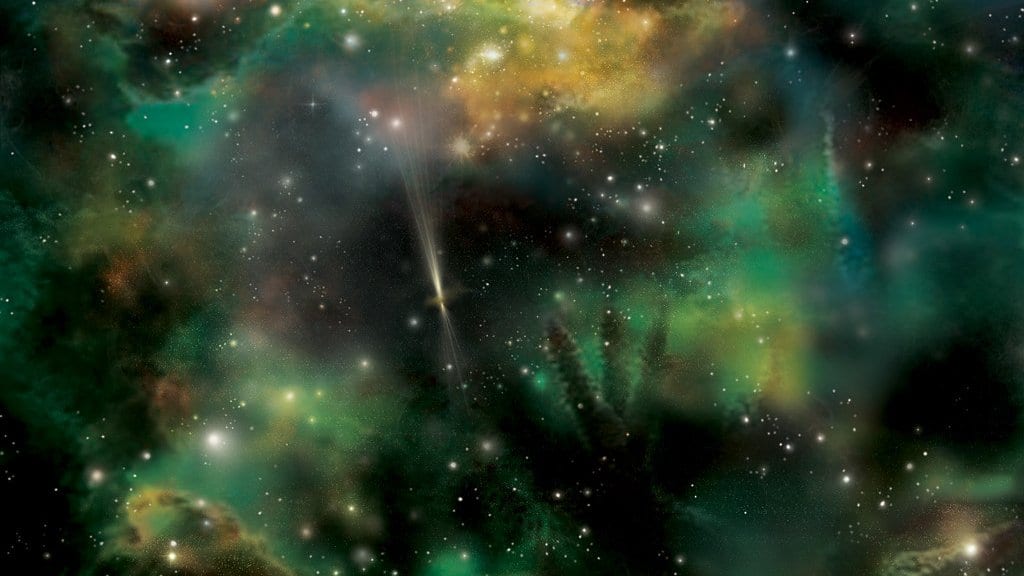
NASA's Neil Gehrels Swift Observatory has ended its science mission. The agency says the satellite made its final observation on Oct. 20, 2026, and now circles less than 171 miles (275 kilometers) above Earth, low enough that thicker air drags on it and keeps its telescopes from holding steady on a target. NASA expects the spacecraft to fall back into the atmosphere within the next few weeks.
Swift was built to chase gamma-ray bursts, brief blasts of high-energy light that once faded before any large telescope could be turned toward them. S. Bradley Cenko, the mission's principal investigator at NASA's Goddard Space Flight Center, said Swift was designed to detect a burst, pass its position to other observatories, and then swing its own telescopes around to photograph the spot before the glow it left behind died away. He put the whole sequence at about a minute.
Swift launched in November 2004 and was later renamed for its first principal investigator, Neil Gehrels, after his death. It was planned to work for two years. NASA says Swift went on to observe more than 2,000 gamma-ray bursts, study exploding stars, survey the whole sky in X-rays and contribute to about 7,000 published scientific papers.
Shawn Domagal-Goldman, who directs the astrophysics division at NASA Headquarters, said Swift showed astronomers how much fast-reaction observations matter.
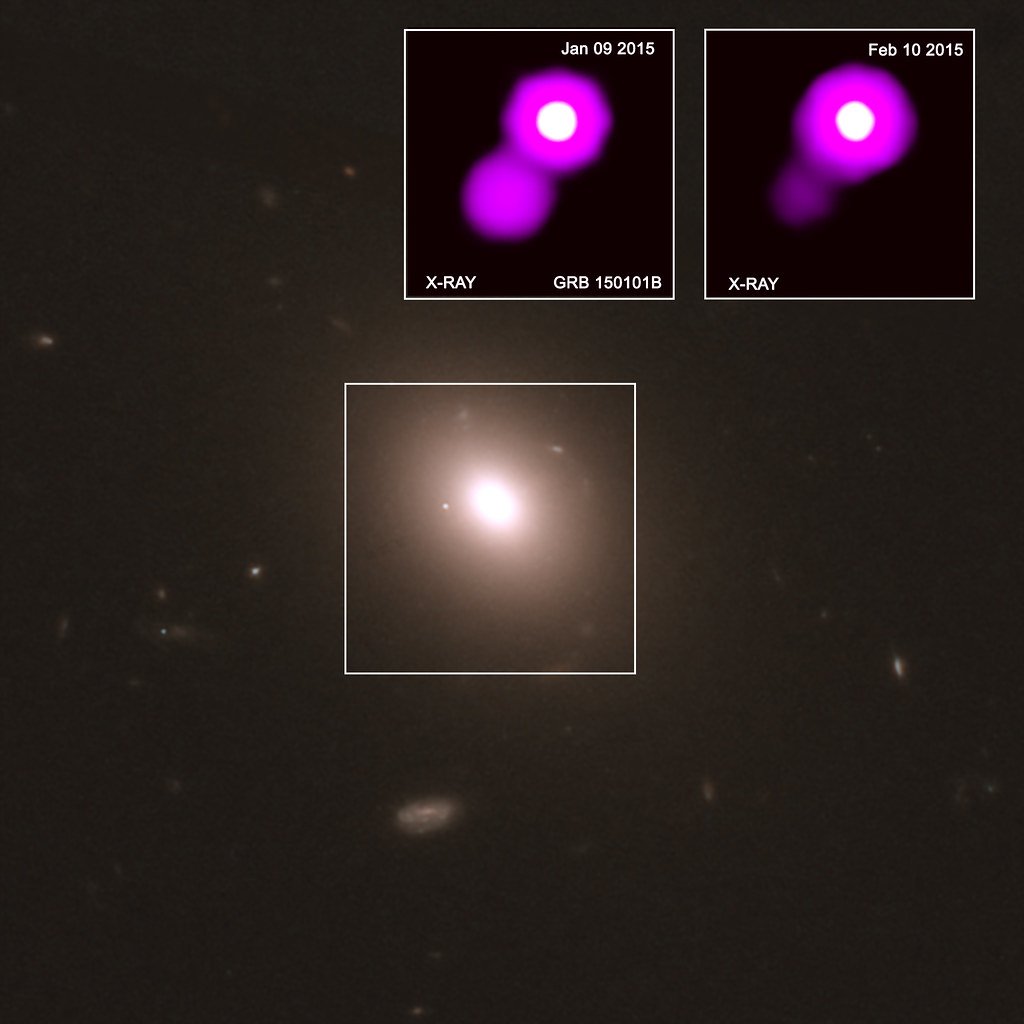
NASA says that early in its mission Swift caught the fading X-ray light of a burst that lasted 0.03 seconds, the first time that glow had been found for one of these very short bursts. The result, NASA says, supported existing theory that such bursts likely come from two neutron stars merging.
Swift's data remain public. NASA puts the archive at roughly 12 terabytes spanning nearly 22 years of measurements, and says it will use missions already in orbit to help cover rapid response to cosmic outbursts while it looks for new options.