Two Spacecraft Caught the Same Solar Wind Stream Speeding Up
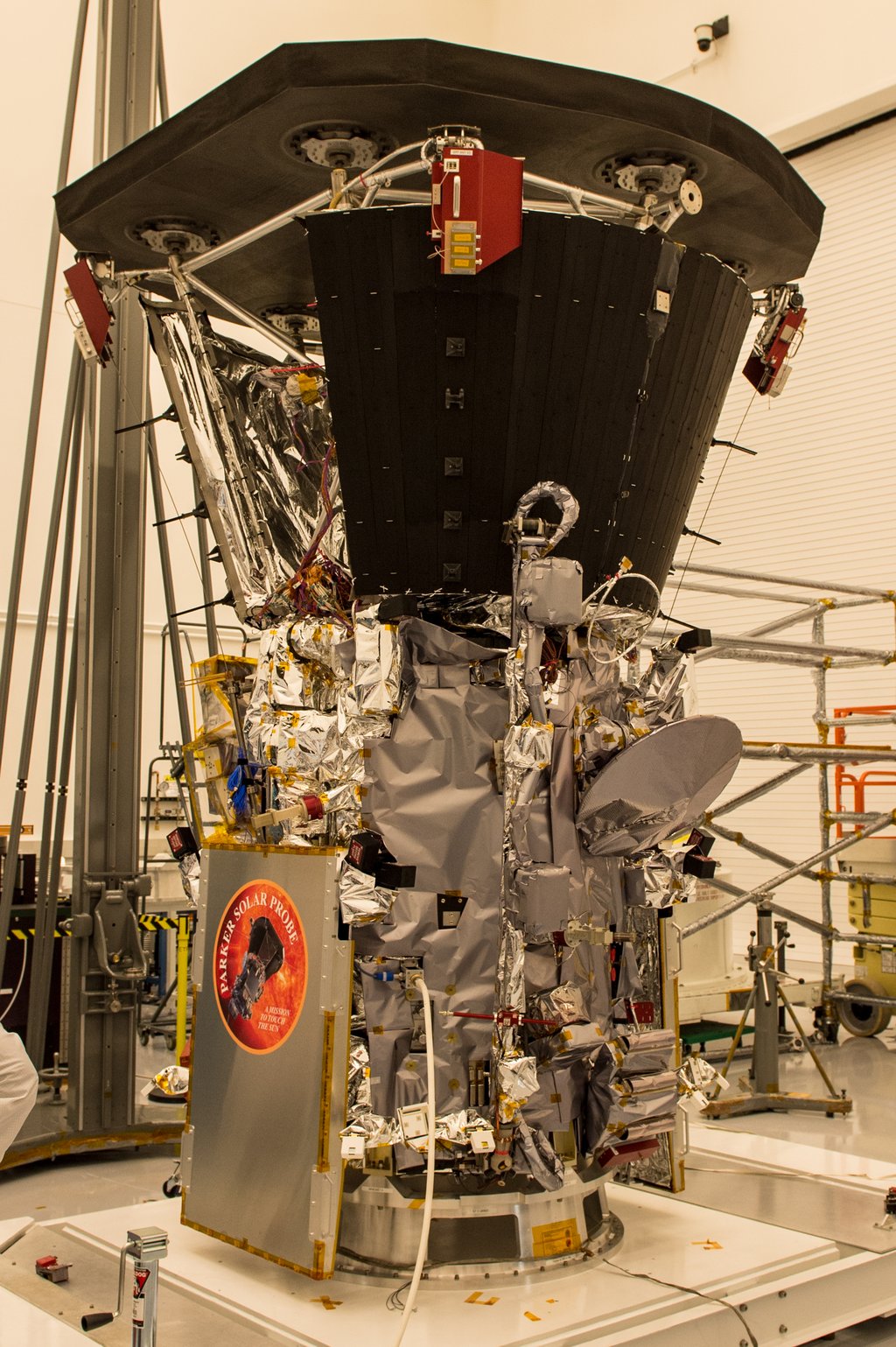
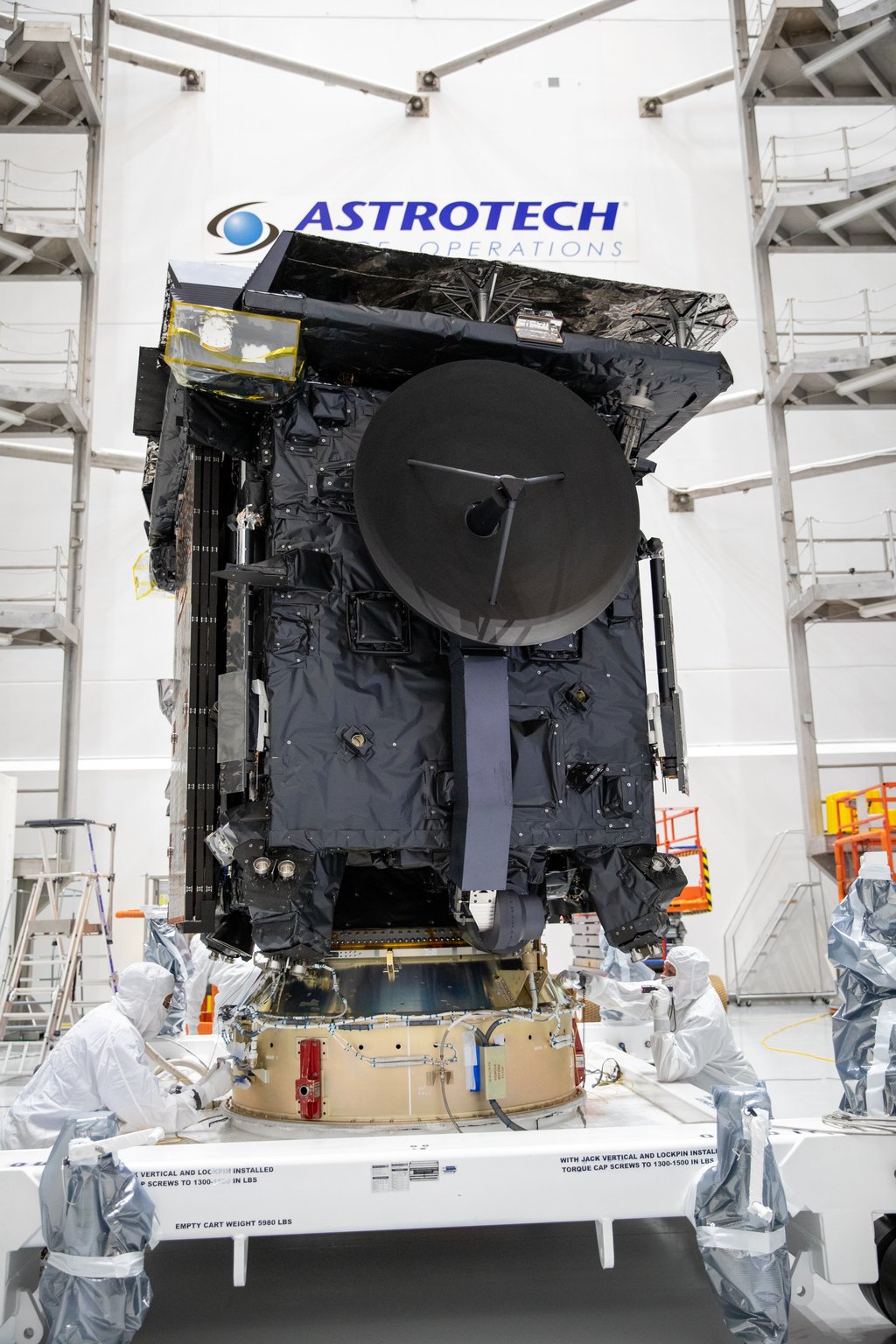
Parker Solar Probe and Solar Orbiter measured the same stream of fast solar wind at two stages of its acceleration. A team led by Samuel T. Badman at the Center for Astrophysics | Harvard & Smithsonian reports it in a letter published Nov. 5, 2026, in The Astrophysical Journal Letters. Parker crossed the stream in March 2025 at 9.86 solar radii, its closest approach to the Sun, where the wind was moving at only about 60% of the speed it carries at Earth's distance. Solar Orbiter met it farther out, and its data put the acceleration largely finished by 60 solar radii.
Where the fastest solar wind gains its speed is a direct test of models of how the Sun heats and launches its outer atmosphere. The authors write that the early evolution of this wind had been largely unconstrained by measurements taken inside it, with the available figures coming from remote observations.
The stream came out of a large coronal hole, an opening in the Sun's magnetic field, on the solar equator rather than a pole. At Earth's distance its speed, density and temperature matched the fast polar wind the Ulysses spacecraft recorded, so the paper treats the stream as polar-coronal-hole-like rather than as a polar stream sampled directly. Parker measured proton temperatures above 2 million kelvin there, deep inside the surface where the wind first outruns the waves traveling along its magnetic field.
That gradual climb sits awkwardly with older radio measurements of polar-hole wind, which had been read as showing the acceleration all but complete inside 10 solar radii. Of the two explanations the paper sets out, it judges the likelier to be that the radio method overestimates speeds close to the Sun, blending the bulk flow with wave motions.
The team also followed the stream's magnetic fluctuations, which are small deflections at Parker and, by the time Solar Orbiter crosses the stream, full field reversals (the switchbacks). The paper reports that the acceleration needs more energy than the thermal pressure the spacecraft measured can supply, and names that fluctuation energy as a likely source.
Sources
- The Astrophysical Journal LettersPeer-reviewed