Ice Age's Abrupt Warmings Took About 180 Years, Not Decades
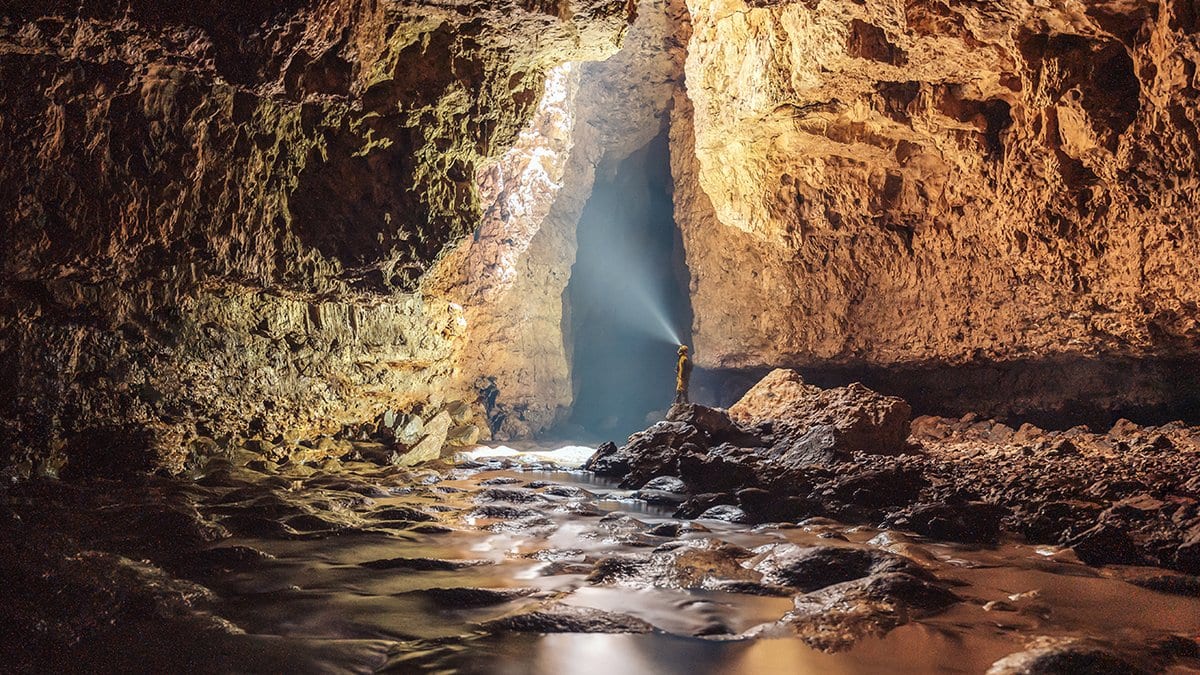
Abrupt warmings during the last ice age took more than a century each to complete, far longer than the few decades read from Greenland ice cores, according to a study published Nov. 5, 2026, in Science. Xiyu Dong, Hai Cheng and colleagues at Xi'an Jiaotong University's Institute of Global Environmental Change timed eight of the events from cave deposits in India and China that grew in countable annual layers.
Those warmings, known as Dansgaard-Oeschger events, raised temperatures at high northern latitudes by 5–16 °C and are tied to a strengthening of the Atlantic Meridional Overturning Circulation (AMOC), the current system that carries warm water north. The institute says they are widely used as an analog for how that circulation might change in the future. The published paper measures the ancient transitions only, and takes no measurement of the modern ocean.
Two stalagmites with clear annual growth layers, from Cherrapunji Cave in northeast India and Shuixi Cave in southwest China, plus published records from a third Chinese cave, gave oxygen-isotope series, a chemical record of past rainfall, covering the eight events. Every transition lasted longer than 100 years, and they averaged about 180 years, the institute's release says, against the decadal shifts the Greenland records show. "The annual laminae let us precisely constrain how long each transition lasted, and compare that directly with the Greenland ice-core records," said Dong, the paper's first author.
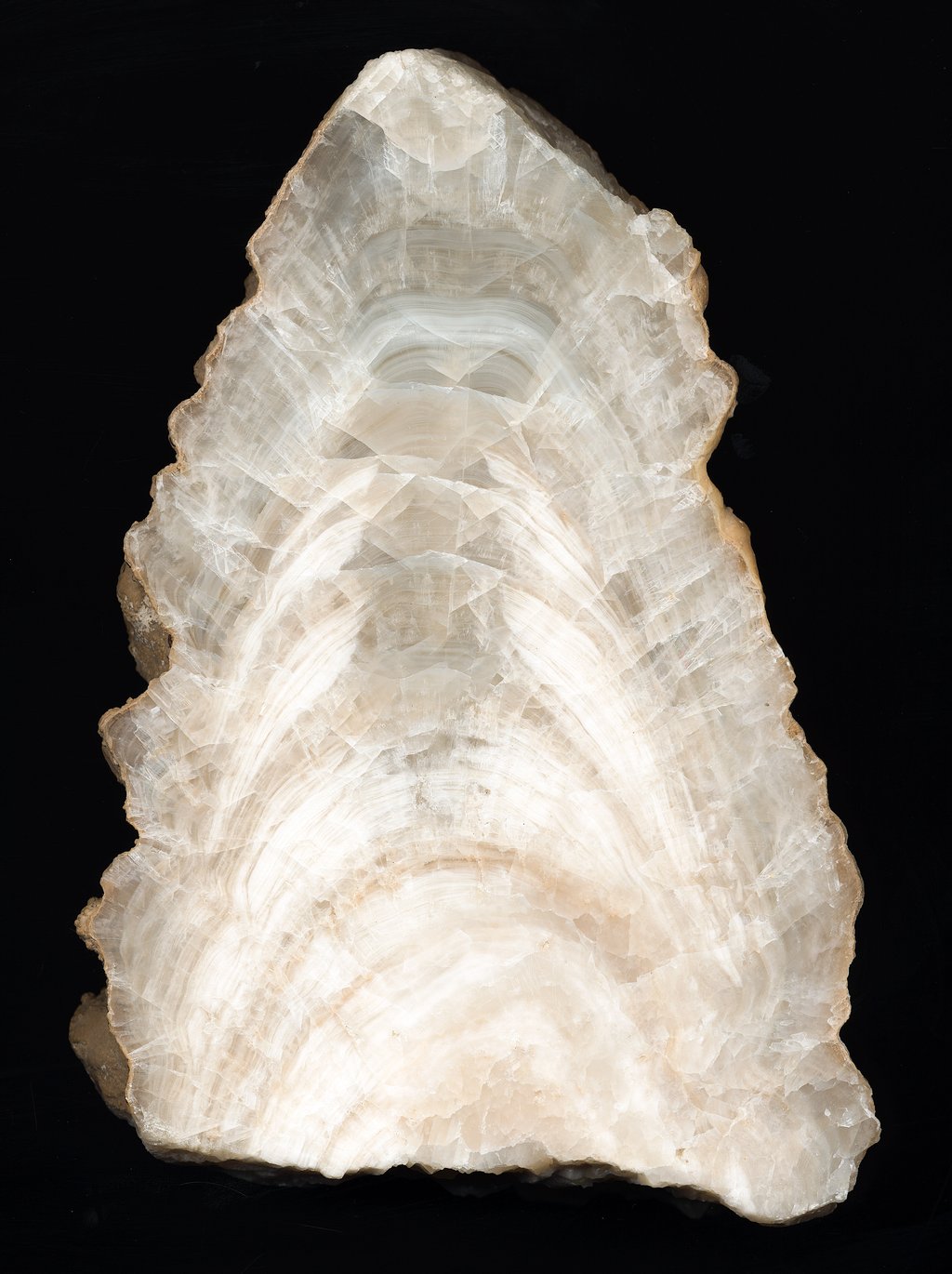
The modeling in the paper splits each event in two. Retreating sea ice in the northeastern North Atlantic rearranged regional winds and moisture paths quickly, the sharp jump the Greenland cores record; the circulation then went on strengthening while sea ice in the northwestern North Atlantic kept retreating, with little further change in the Greenland signal. The authors report that the Asian cave records track that whole slower strengthening.
Applying the finding to the present, Dong noted: "Therefore, when we talk to the public about the risk of AMOC tipping in the future, we need to be clearer about how long that transition would take."
The authors say more annually layered cave records of these events, reconstructions of North Atlantic sea ice, and climate models that include ice-sheet processes will be needed to pin the mechanism down further. The work was funded by the National Key Research and Development Program of China and the National Natural Science Foundation of China.
Sources
- SciencePeer-reviewed