Twelve Dust Grains Point to a Water Reservoir Beyond the Giant Planets
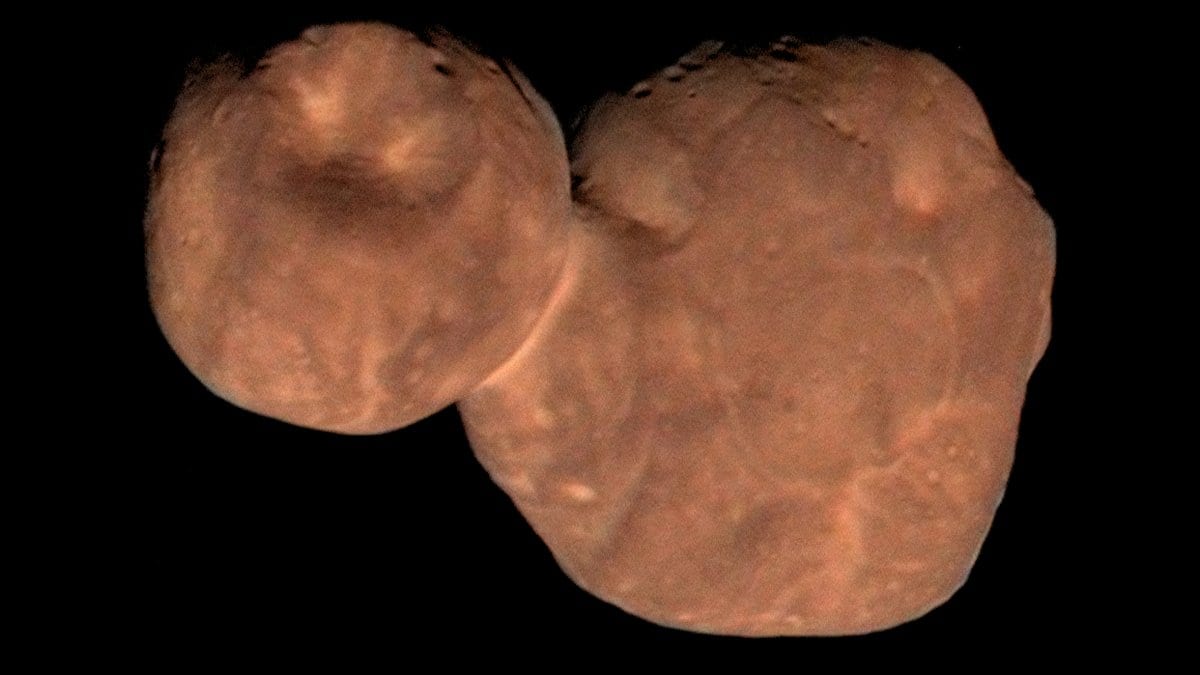
A NASA-led team reports that 12 specks of interplanetary dust collected from Earth's stratosphere were altered by water from a reservoir beyond the giant planets, one far richer in heavy oxygen than anything known in the inner solar system. The analysis was published Nov. 11, 2026, in Science Advances.
Ices in the outer solar system are thought to have been enriched in heavy oxygen by reactions driven by light, but the paper says evidence for that reservoir in meteorites has been exceedingly rare. Lindsay Keller of NASA's Johnson Space Center, Kevin McKeegan of UCLA and two colleagues describe their measurements as compelling evidence for a major reservoir of heavy-oxygen water beyond the giant planets, largely cut off from the material of the inner solar system.
High-altitude NASA aircraft collect this dust before it reaches the ground. Keller and colleagues report that mineral grains inside the particles are scarred by tracks from solar flare particles. The density of those tracks is about 100 times higher than in dust from the asteroid belt or from Jupiter-family comets, which places their origin in the Kuiper belt beyond Neptune. Most of each particle is clay, which forms when water reacts with dry minerals at low temperatures.
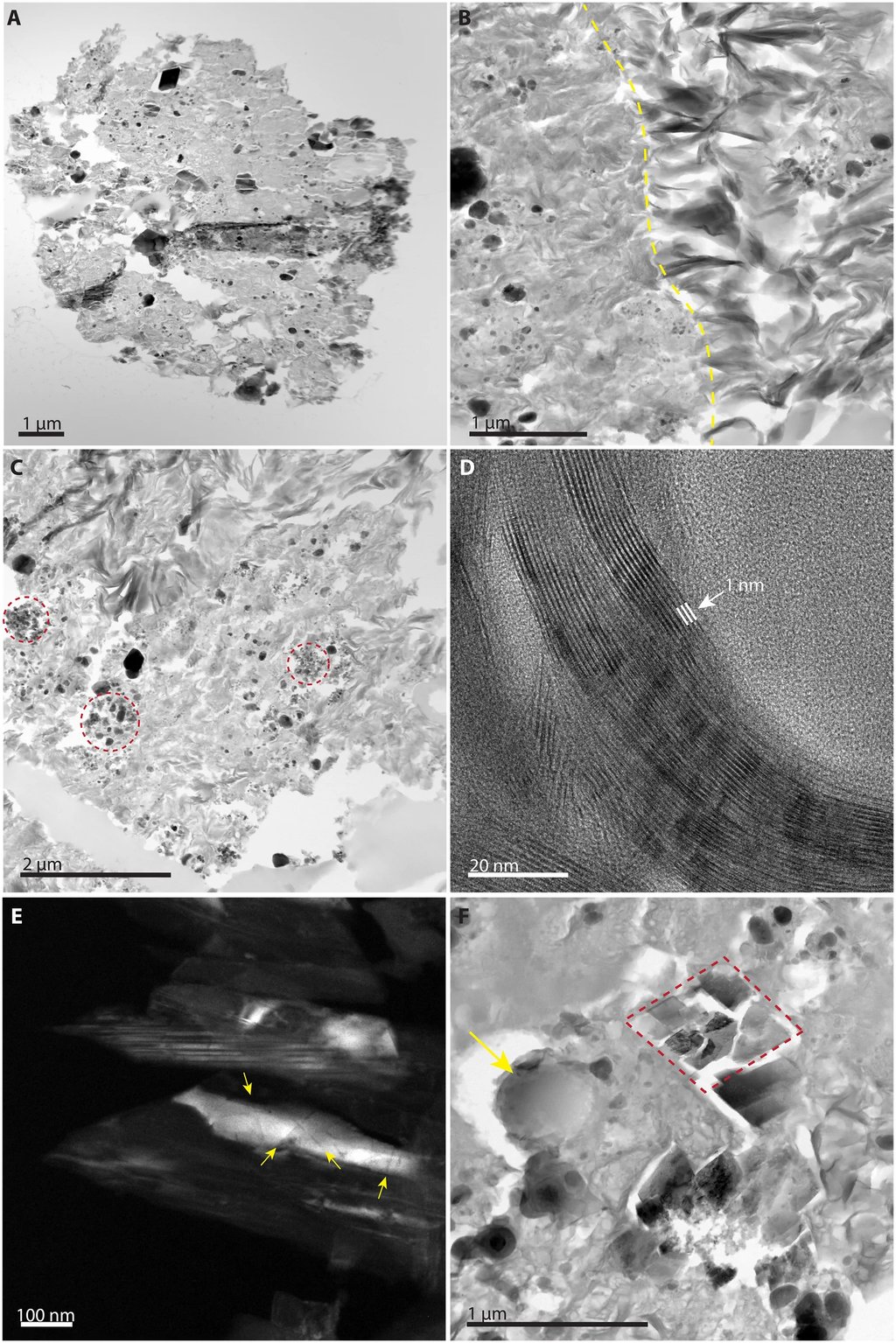
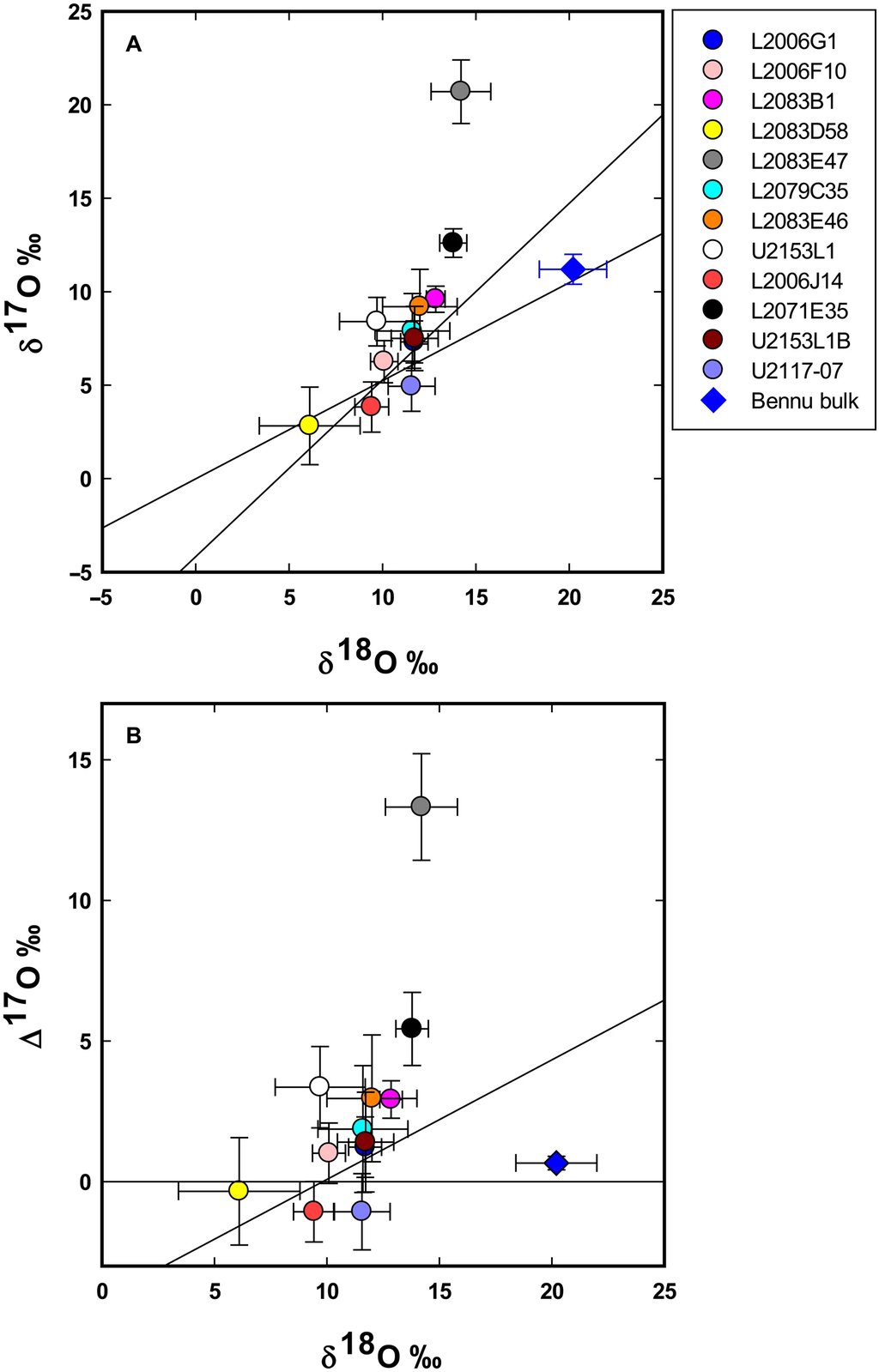
Working back from the oxygen in that clay, the team calculates that the water was about 16% richer in oxygen-18, a heavier form of the element, than Earth's ocean water. The paper calls that an upper limit, because water held loosely between clay layers is lost before a particle can be measured. The step from the clay back to the ice rests on the authors' own model of the alteration, in a sample of 12 particles.
Earlier estimates cited in the paper put up to 25% of the dust drifting into the inner solar system as being of Kuiper belt origin. The authors propose that Saturn, perhaps with Uranus and Neptune, kept the two water supplies apart, and point to simulations of a ridge of higher-pressure gas outside Saturn's orbit that would have slowed or stopped dust drifting farther in.
Sources
- Science AdvancesPeer-reviewed