Bennu and Ryugu Were Made From the Same Dust, a Zurich-Led Team Finds
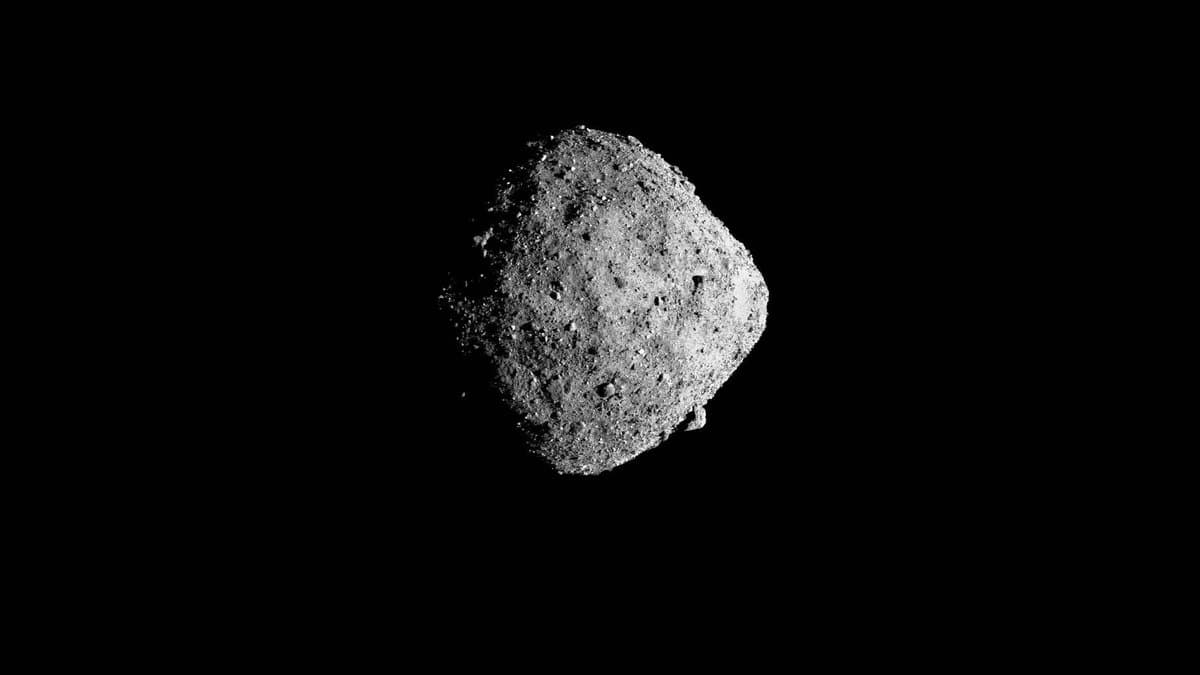
A team led by Maria Schönbächler of ETH Zurich reports that iron and titanium isotopes in samples of the asteroid Bennu are indistinguishable from those in samples of the asteroid Ryugu and in a rare group of meteorites known as CI chondrites. The authors take that overlap as evidence that all three formed from the same reservoir of dust.
Analyses of the Bennu and Ryugu samples had already turned up chemical and isotopic similarities to those meteorites, prompting a reassessment of where all of them formed. The new paper, published online in Science Advances on Sept. 23, tests that similarity against three elements whose isotopes record the dust a body grew from.
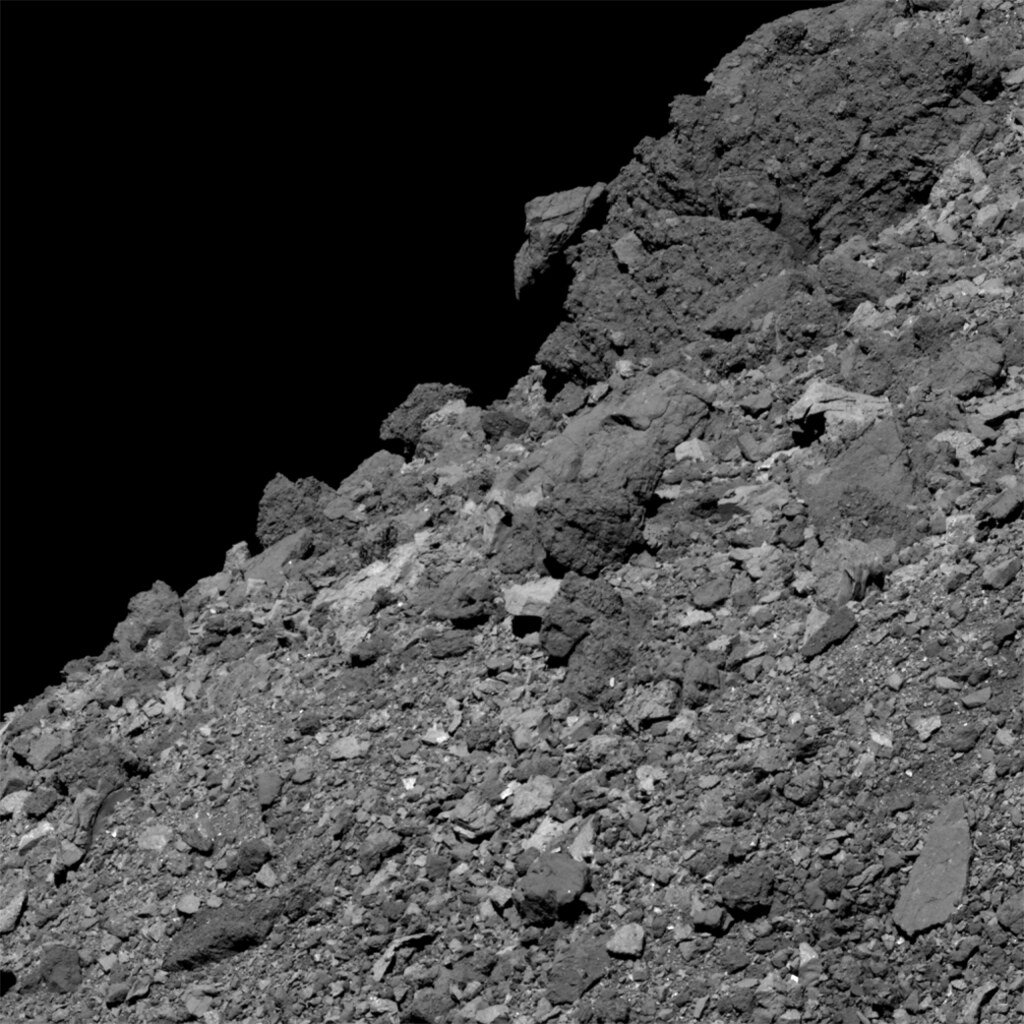
The team measured iron, titanium and chromium in Bennu material collected by NASA's OSIRIS-REx mission. Iron and titanium came out uniform from one sample portion to the next, and indistinguishable from Ryugu and the CI chondrites at bulk scale, meaning portions heavier than 20 milligrams. Chromium varied slightly between portions. The team puts that down to water reacting with rock inside the larger body Bennu broke off from, rather than to any difference in the dust it started as.
The authors conclude that Bennu, Ryugu and the CI chondrites all gathered from one dust reservoir, one holding material related to both the inner and the outer Solar System. They also say the isotopes, read together with the samples' textures and chemistry, point to a birthplace near the water ice line and inside the orbit of the growing Jupiter. The ice line is the distance from the young Sun beyond which water could freeze. In that picture, Jupiter's growth held back the inward drift of larger particles while fine dust continued mixing efficiently, leaving bodies whose composition is close to the Sun's.
Co-authors are at Lawrence Livermore National Laboratory, the University of Copenhagen, the University of Arizona and NASA's Johnson Space Center. The paper lists NASA, Lawrence Livermore's Office of Science and the Swiss National Science Foundation among its funders.
Sources
- doi.orgPeer-reviewed