Euclid's First Big Data Release Lets Astronomers Start Mapping the Cosmos
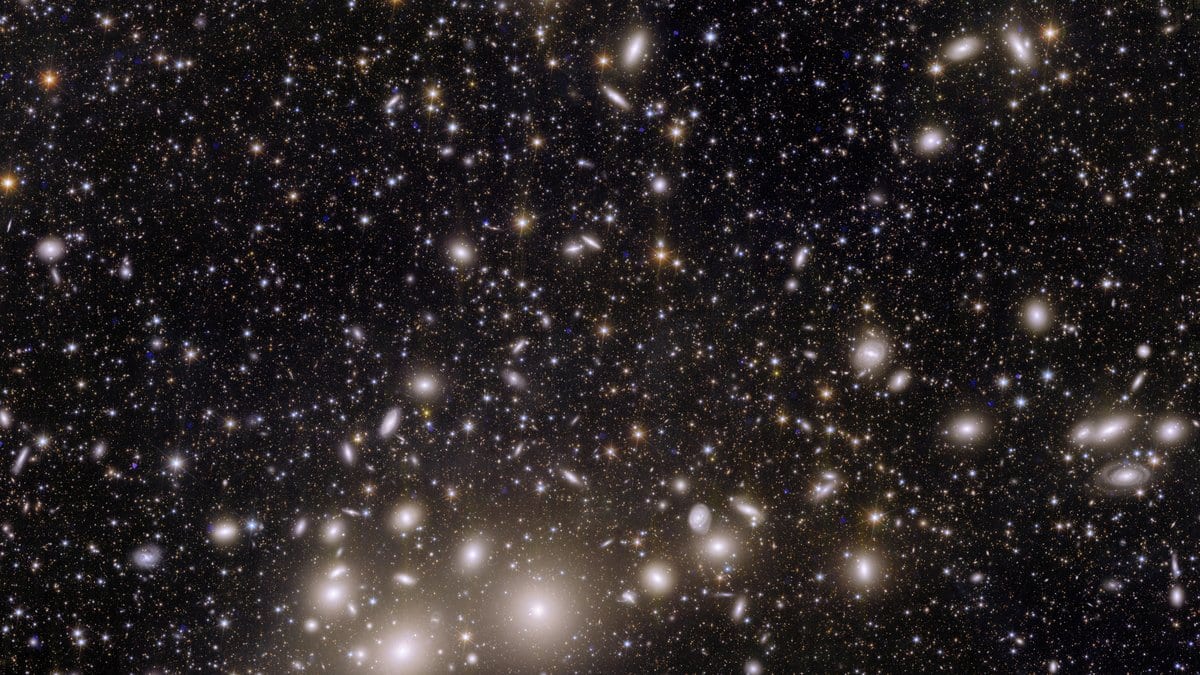
The European Space Agency released the first large batch of data from its Euclid space telescope on Nov. 12, 2026. The set, named DR1-Foundation, covers around 13 months of observations over 1,900 square degrees of sky, an area ESA compares to 9,500 full Moons.
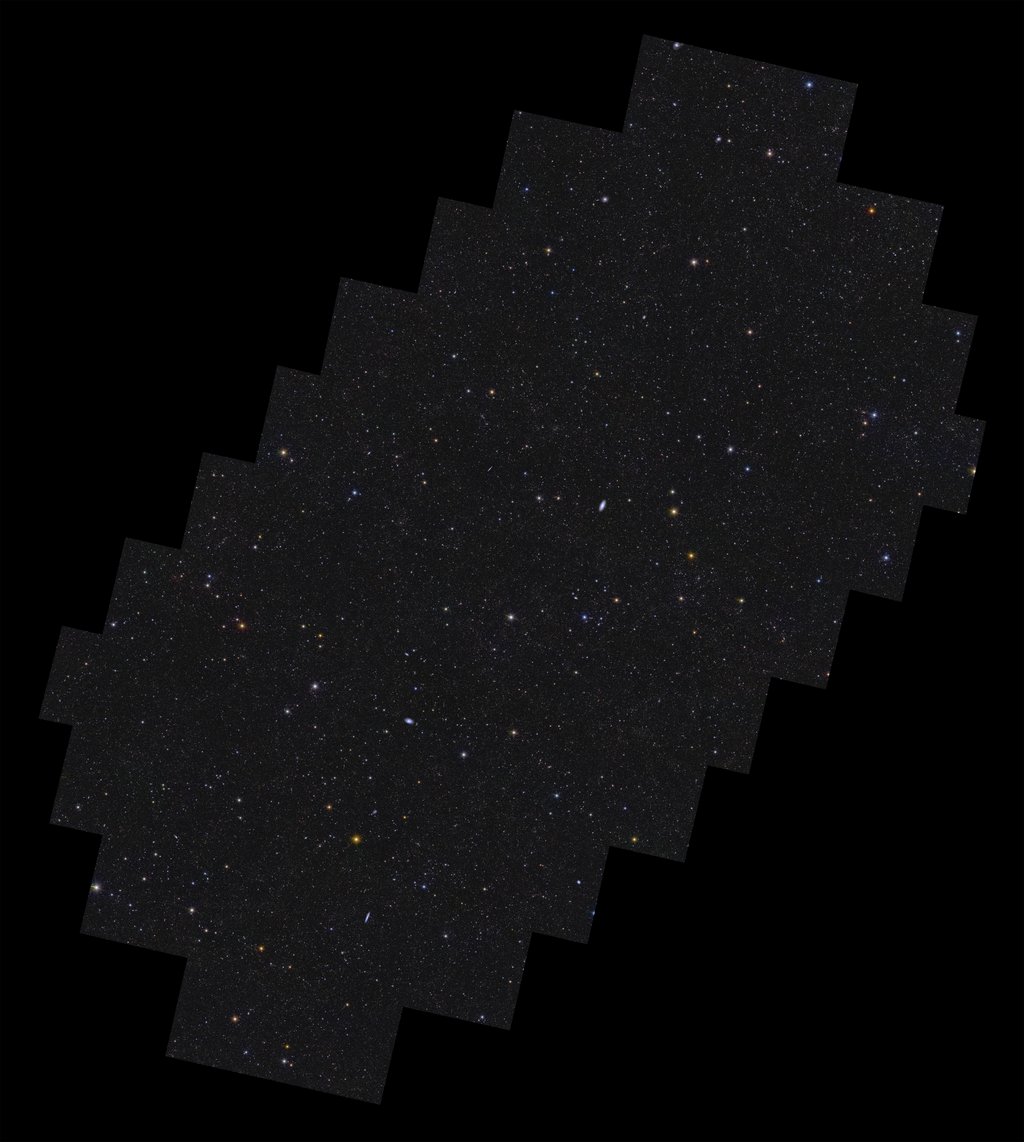
ESA says the release gives scientists the pieces they need to start building a detailed three-dimensional map of the cosmos, which is what the mission was launched to do. The agency wants that map to study dark energy and dark matter, the unseen material whose gravity shapes galaxies. The data are public, and ESA's announcement points to its data release pages and the Euclid Data Space platform for access.
The release lists more than 900 million galaxies. It carries spectra, or split-out light, for more than 160 million sources, which is how Euclid works out how far away a galaxy is. The set also includes about 15,000 candidate strong gravitational lenses, foreground galaxies whose gravity visibly bends the light of more distant ones. ESA describes that catalog as the largest of its kind, bigger than all previous ones combined.
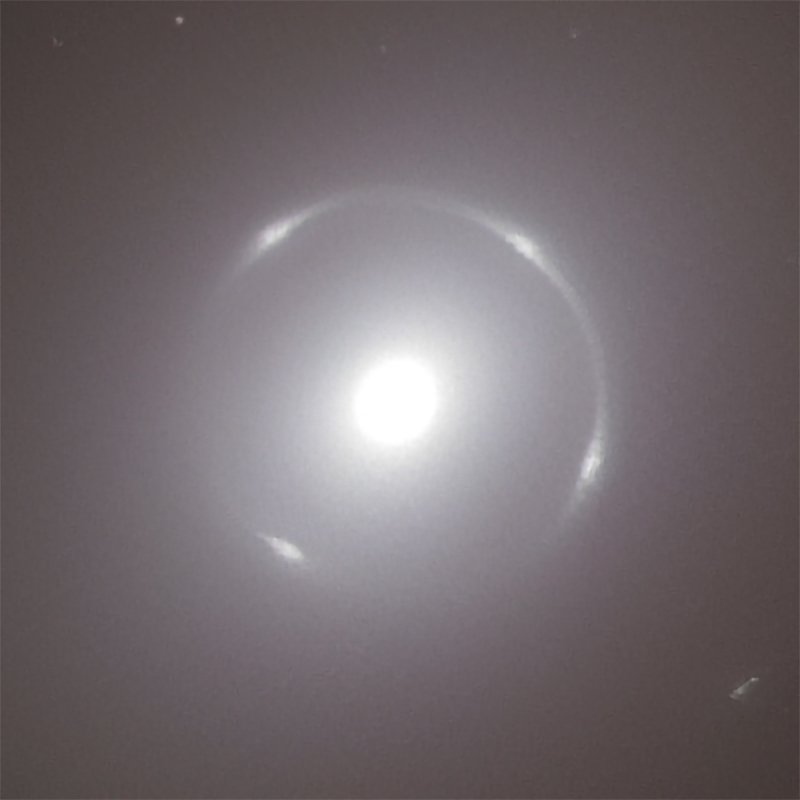
Euclid's earlier data releases covered a few days of observations over a far smaller patch of sky. "We're now releasing more than a year of data covering a significantly larger area," said Valeria Pettorino, ESA's Euclid project scientist. The lens candidates were found with a mix of machine learning and thousands of volunteers who went through Euclid images for the Space Warps project on Zooniverse.
The release covers about 14% of the sky area Euclid is to survey. ESA says the full Data Release 1 is due in mid-2027. It will add the subtler form of light-bending known as weak lensing, along with calculations of how galaxies and galaxy clusters fit into the cosmic web, the mostly invisible mesh of filaments they cling to.