Argon in Uranus and Neptune May Say More About Where They Formed Than What's Inside
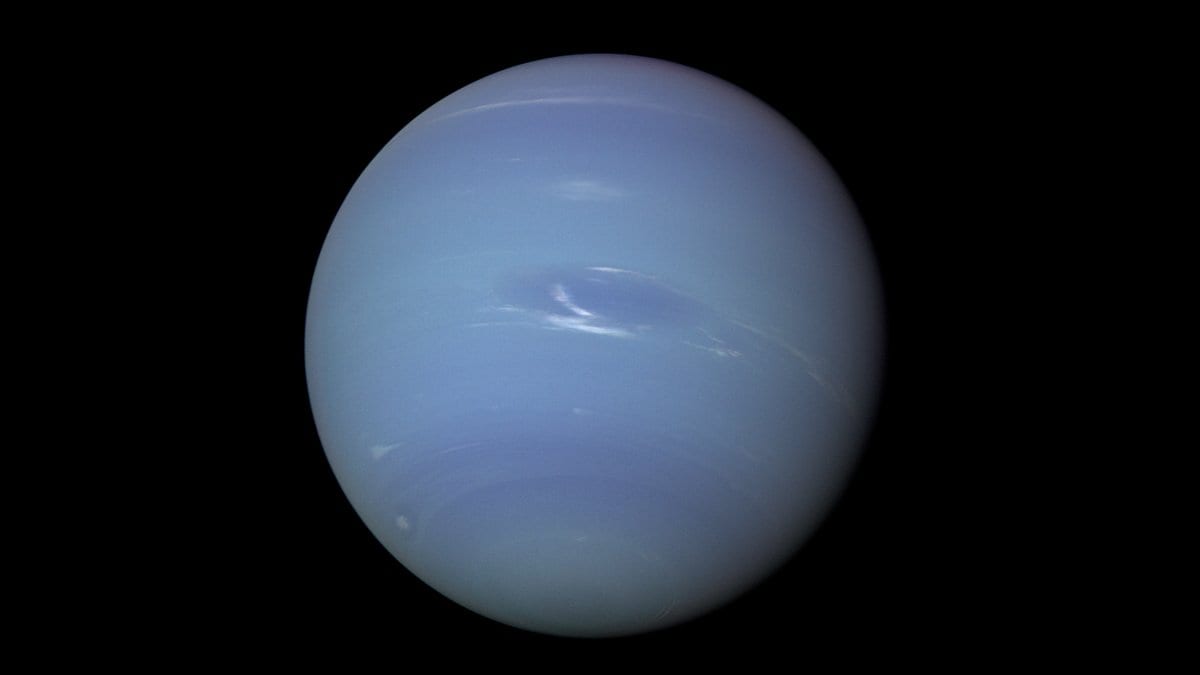
Argon 40 inherited from the cloud of gas and dust that formed the Sun can outweigh the argon made by radioactive decay inside Uranus and Neptune, according to a modeling study published Nov. 11, 2026. If it does, the gas cannot be used to weigh the rock buried in the two planets.
Researchers have proposed measuring argon in the two atmospheres to get at that buried rock, because rock carries potassium 40, which decays into argon. The new work asks when that reasoning holds and when it does not.
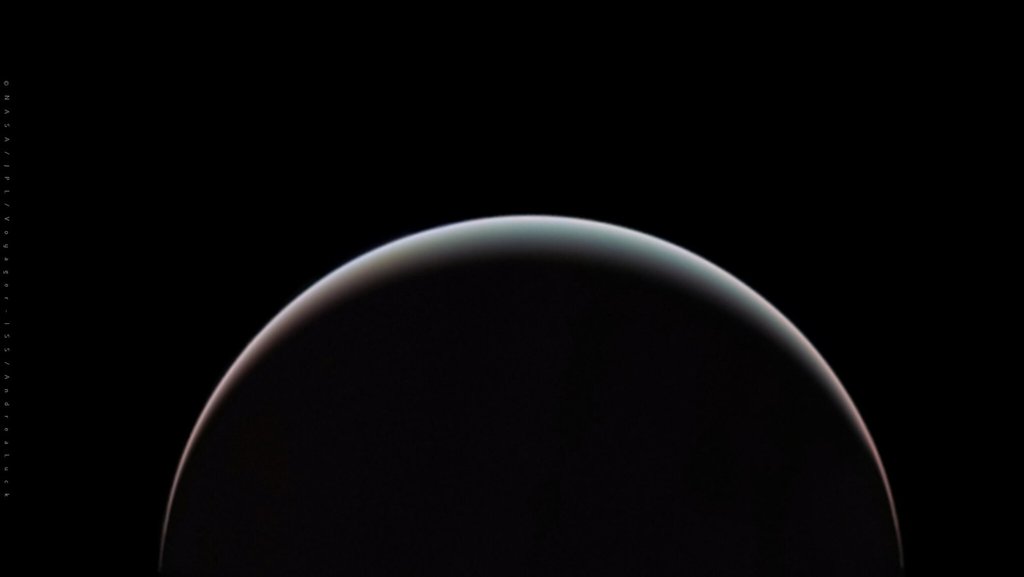
Writing in The Planetary Science Journal, O. Mousis of the Southwest Research Institute and colleagues combined calculations of how much argon that decay yields with a model of the young disk of gas around the Sun, one that follows how argon-bearing ices froze out, became trapped in water ice and drifted.
Feeding in the carbon content inferred for the two atmospheres from measurements of methane, they get an inherited share at Uranus of roughly 1 to 610 times the level in the gas the Sun itself formed from. At Neptune the range runs from about 1 to about 1,220 times that level. Both depend on where and when each planet's building blocks came together. The figures come from the model, not from measurements of argon at either planet.
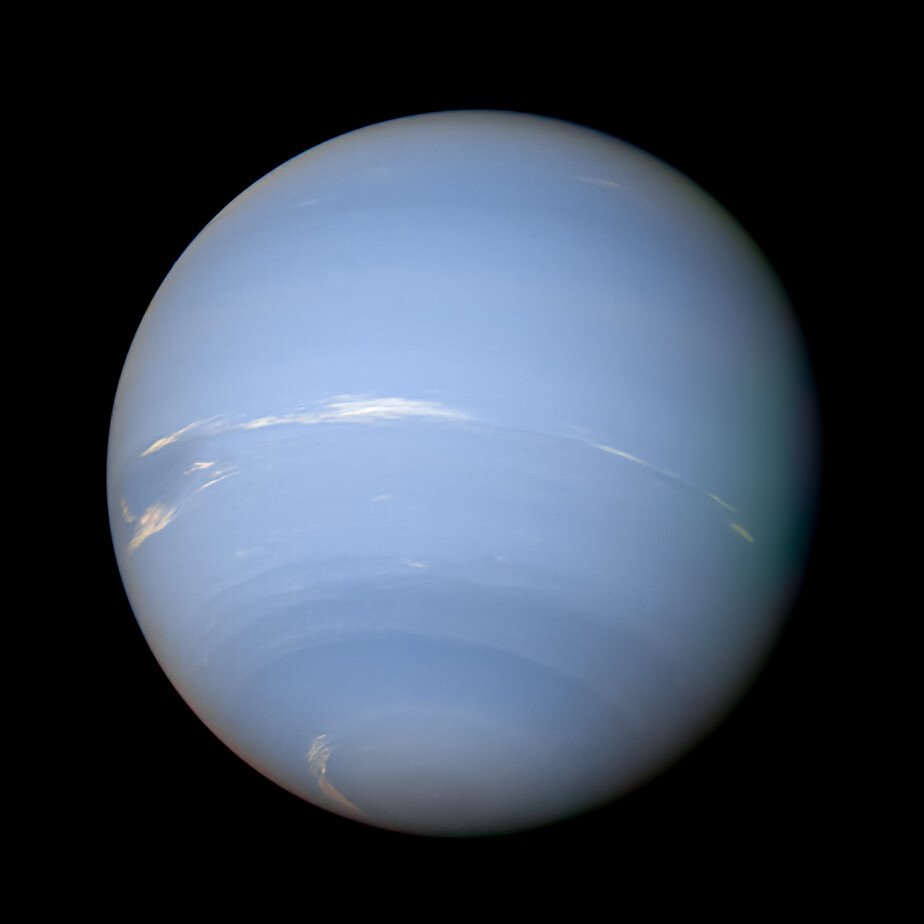
The authors report that enrichments of that size can swamp the argon produced by decay, and conclude that the isotope can still serve as a measure of the rock when the inherited share is small and enough material has been carried from the interior up into the atmosphere. When the inherited share is large, it instead mainly records the temperature and chemistry in which the planets' building blocks formed.
The authors point to future measurements. Argon 40 read alongside argon 36 and the nitrogen and carbon isotope ratios of the two atmospheres would, taken together, narrow down where the planets formed and what they are built from.
Sources
- The Planetary Science JournalPeer-reviewed