At COP31, Climate Adaptation Plans Leave out Children’s Mental Health
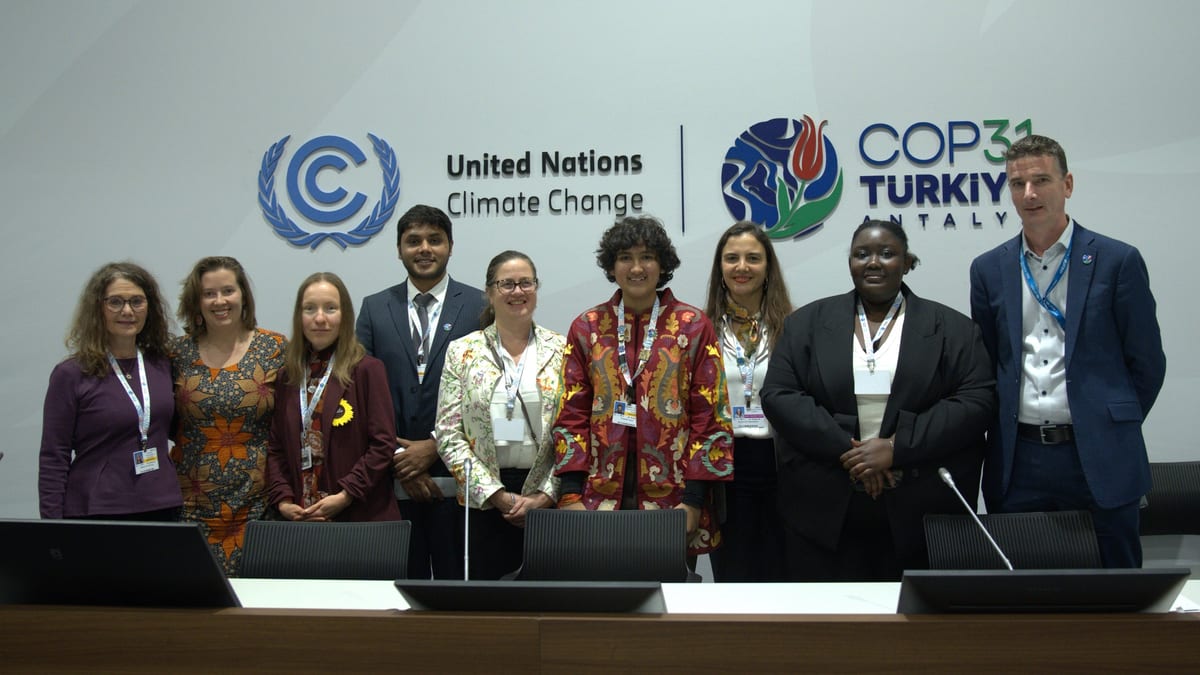
ANTALYA, Türkiye — Researchers said at COP31 side event on Nov. 11, 2026, that the policies countries write to adapt to climate change almost never protect children's mental health or brain development.
The session was led by the University of Oxford, with speakers from UNICEF and Save the Children. Emma Lawrance, a senior research fellow in climate change and mental health at Oxford who leads the Climate Cares Centre, said in an interview recorded for ALLATRA Media that "most mental health challenges arise before the age of 24, and children are being exposed to more and more climate hazards and climate disasters around the world." She described this is "one of the first COPs where brain health has actually been discussed."
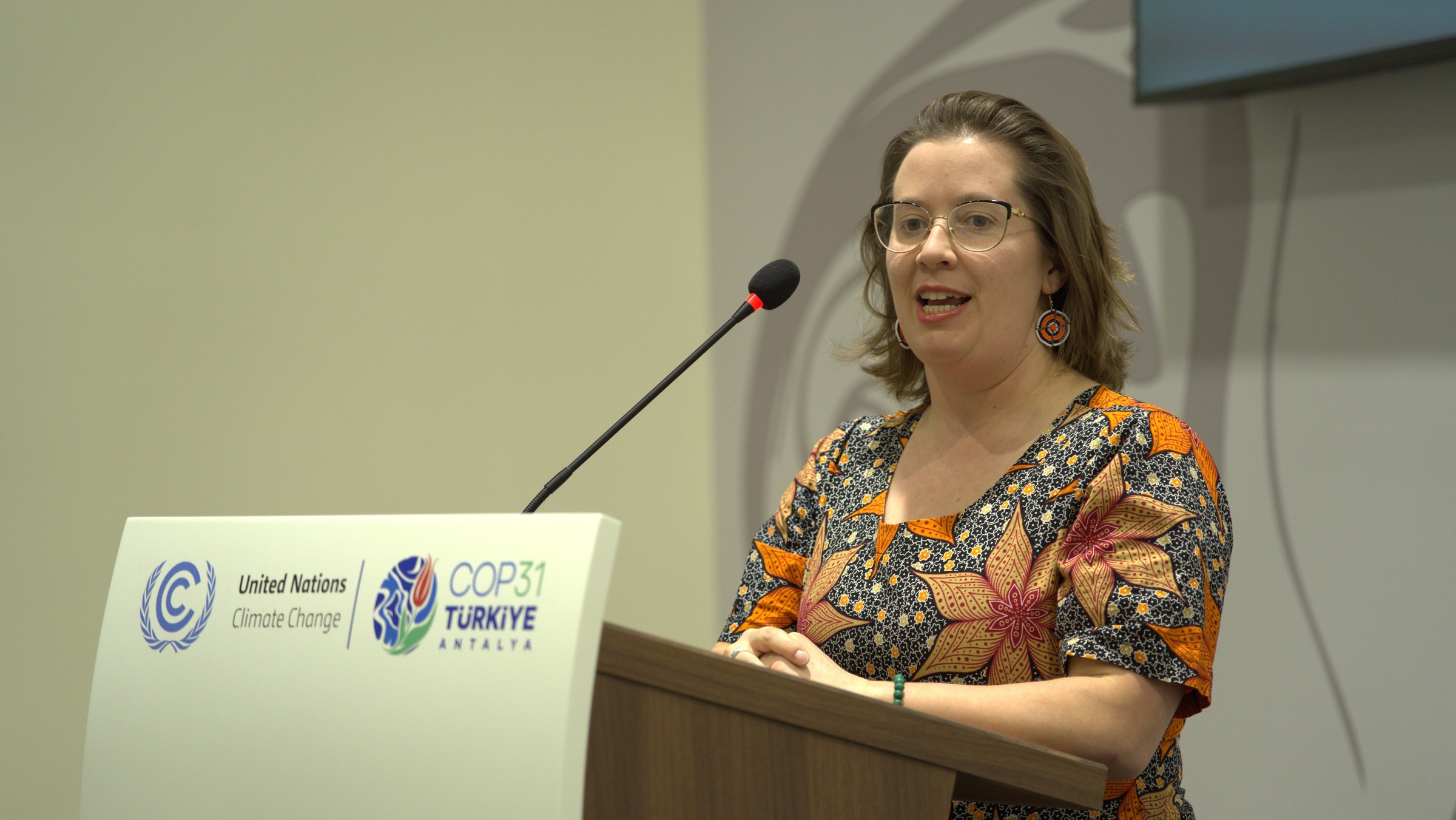
On the panel, Lawrance said that when researchers looked for children's mental health in national adaptation plans, the documents setting out how a government will cope with a warming climate, not one protected it. The numbers come from published reviews. A 2024 study in The Lancet Child & Adolescent Health found that none of 160 countries' adaptation policies directly addressed children's mental health. A July 2025 review of 193 countries' adaptation policies by United for Global Mental Health and her Climate Cares Centre, then at Imperial College London, found that 58% did not include mental health. A 2025 Columbia University study that Lawrance co-wrote found concrete mental health measures in about a fifth of the heat-health plans it reviewed.
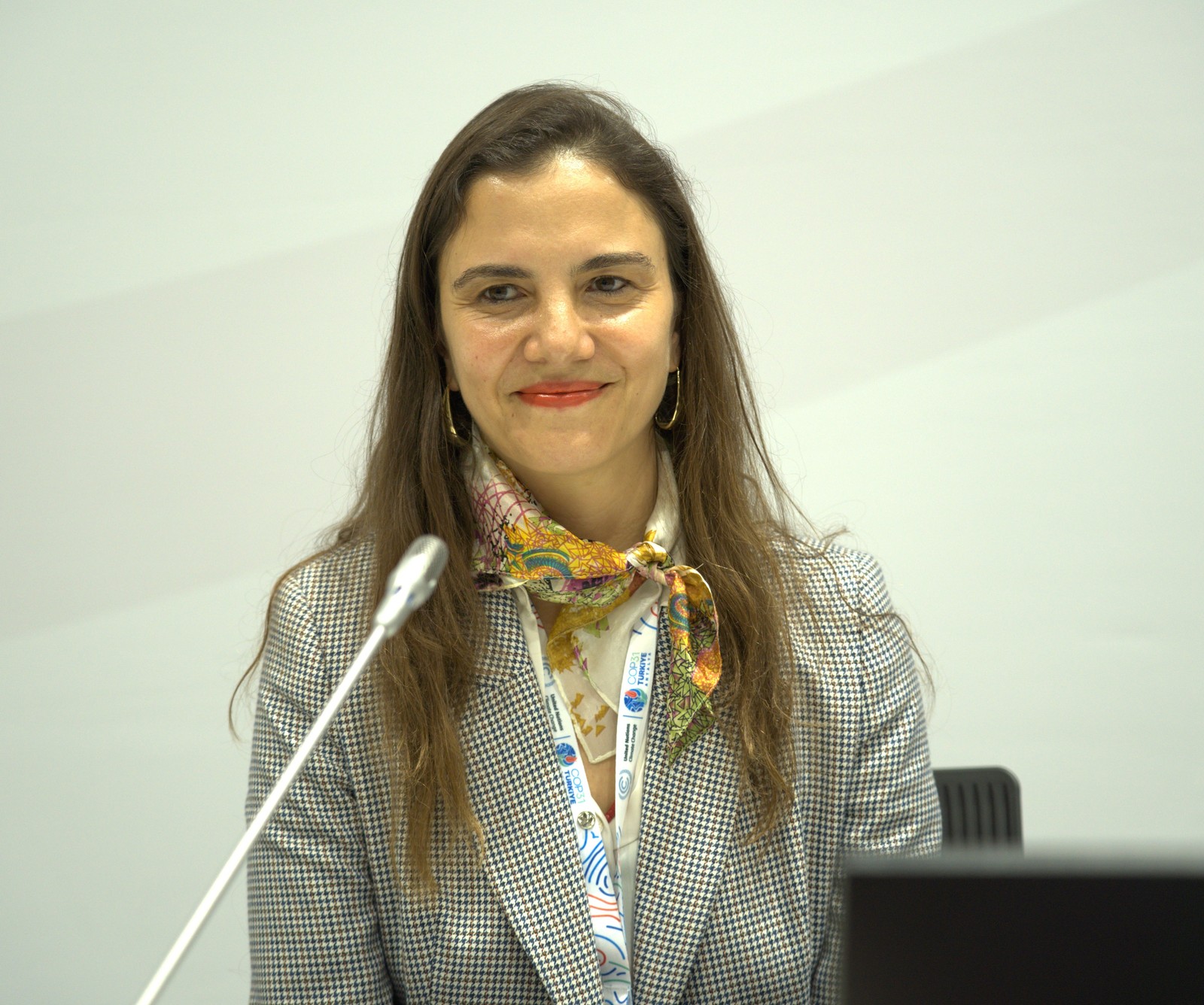
Burçin İkiz, a neuroscientist and adjunct lecturer in psychiatry at Stanford University who chairs the International Neuro Climate Working Group, said that heat waves can impair children's attention, sleep and learning, and that living through a disaster, even in the womb, can change the structure of the brain and raise the risk of later disorders. She called brain health in climate policy "a big blind spot."
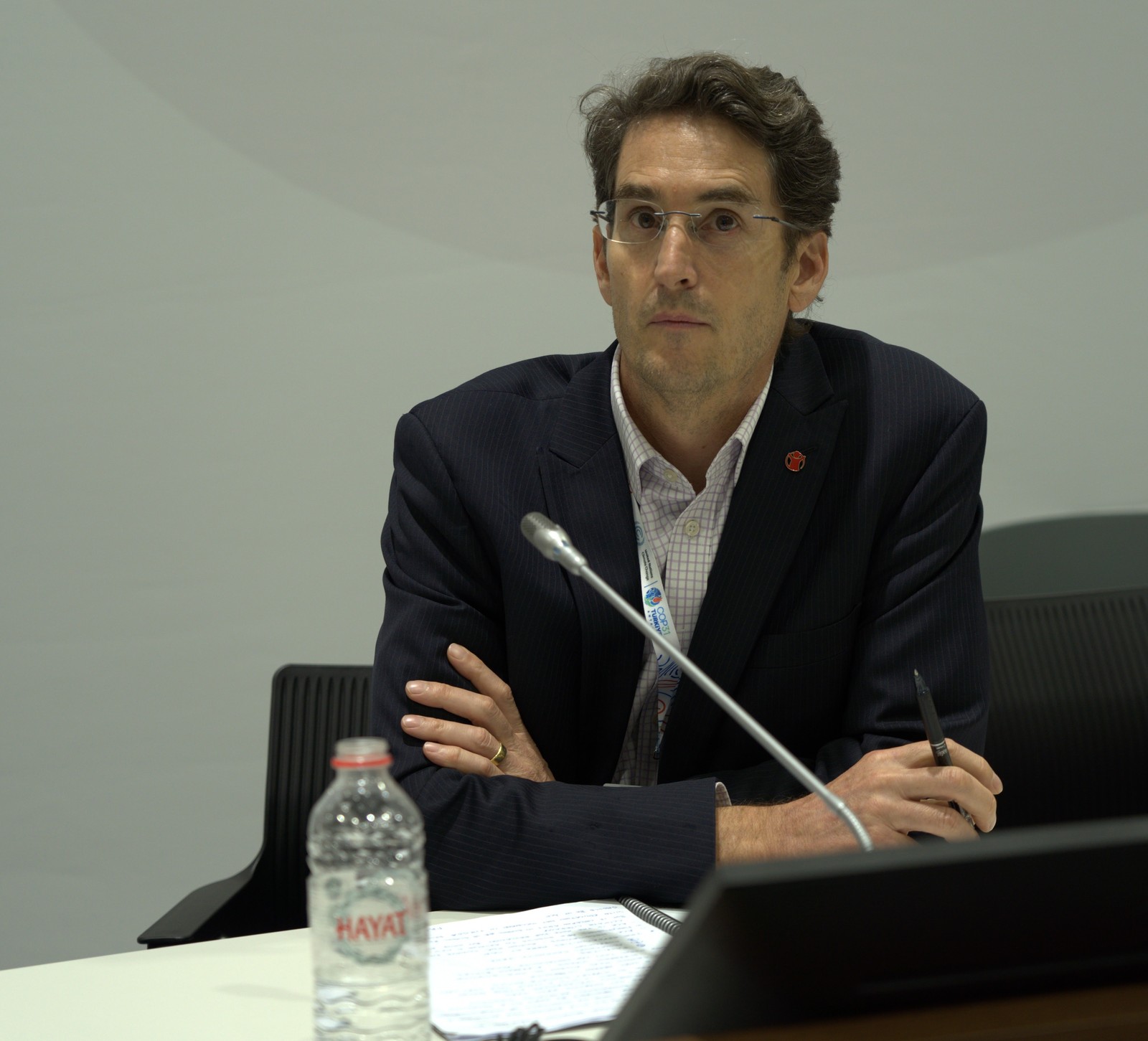
Schools were the other gap. Nick Ireland, climate change director at Save the Children Australia, argued education should not be seen as a competitor to food security. "It's actually a foundational investment in adaptation," he said. UNICEF has reported that at least 242 million students in 85 countries had their schooling disrupted by extreme weather in 2024, or one in seven students.
The side event, "Child and Youth Minds, Brains, and Resilience in a Changing Climate: Evidence to Action," made one case: research on how a warming climate harms children's mental health already exists, and the speakers want it written into adaptation policy.
Sources
 By Nika Kulpin and Oli Kotyk