Nearby Galaxies Hold Less Dark Matter in Their Centers Than Computer Models Predict
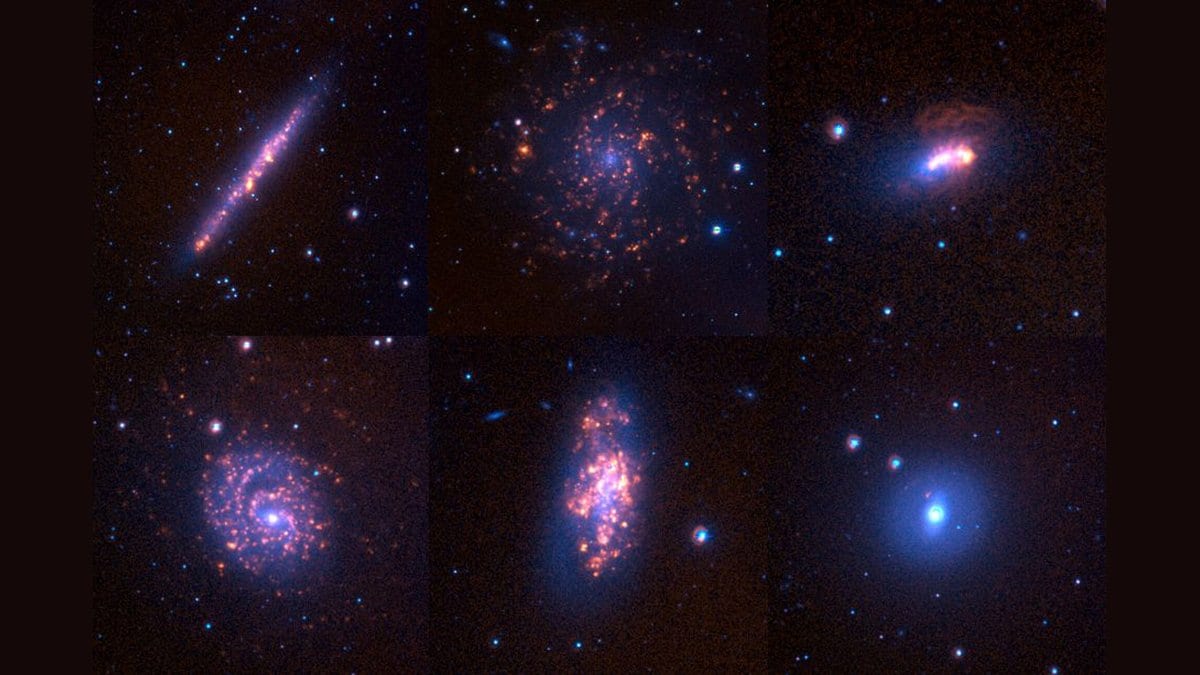
Dark matter is spread more thinly through the central regions of 136 nearby galaxies than simulations of the standard cold dark matter cosmology predict, a team led by Yu Lei and Ling Zhu of the Shanghai Astronomical Observatory, Chinese Academy of Sciences, reports in Nature Astronomy. The study, published Nov. 26, 2026, traced where that unseen mass sits in each galaxy, from the center out to between 20 and 50 kiloparsecs, or tens of thousands of light-years.
The authors write that the way dark matter is arranged across galaxies of very different masses is a critical test for such simulations, and that no comprehensive benchmark had been assembled. They offer the new measurements as one for simulations that try out alternative dark matter models or different treatments of the energy that stars and black holes pour into their surroundings.
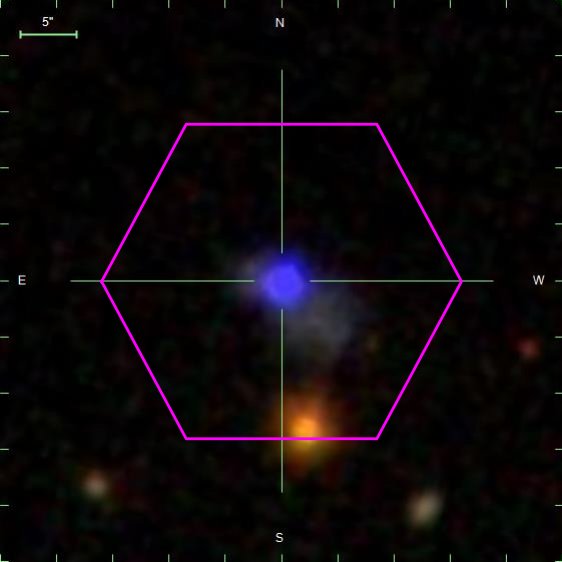
The galaxies were chosen to span the local relation between a galaxy's size and its stellar mass. The paper sets the measured densities against Lambda cold dark matter simulation expectations, and reports that the thinly filled central regions reach farther out in heavier galaxies — from about 10 kiloparsecs to more than 50 as stellar mass rises from 10 billion to 100 billion times the mass of the Sun.
The authors note that in simulations the energy stars and black holes release is usually invoked to soften the sharply peaked dark matter centers that otherwise appear in dwarf galaxies, and that in massive galaxies the same processes pull dark matter inward, producing centers too steep and inner dark matter fractions too high. Of the low-density regions their own measurements show, the paper says: "Although their physical origin remains unclear, these low-dark-matter regions are clearly indicated by the data."
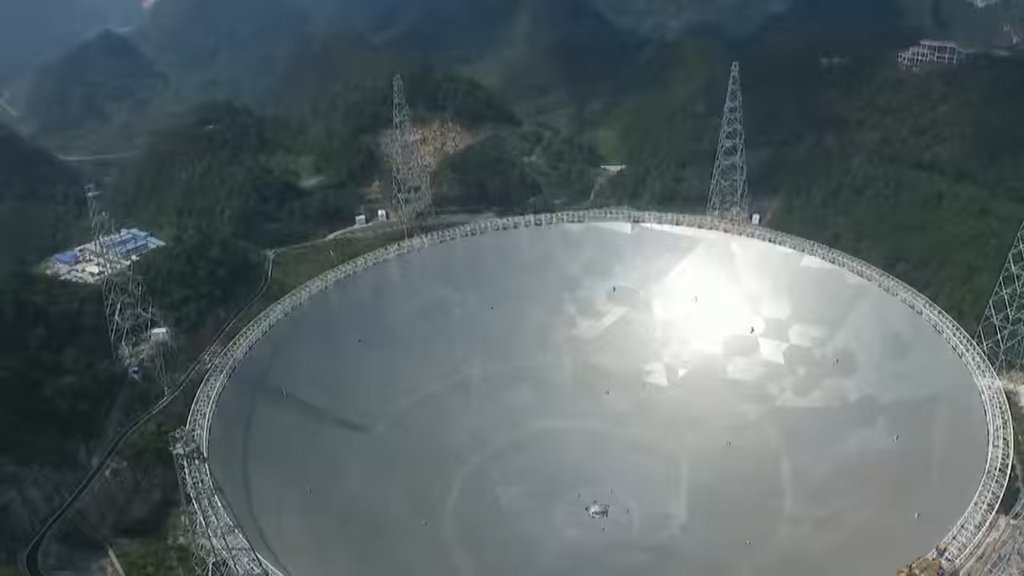
The masses the team derived for every galaxy in the sample are published with the paper. The measurements combine stellar motions from the MaNGA and CALIFA surveys with hydrogen gas spectra, including new observations with the FAST radio telescope, and the modeling was done with the publicly available DYNAMITE package.
Sources
- Nature AstronomyPeer-reviewed