Skip to content
See the World Through ScienceA project of ALLATRA
Source: Peer-reviewedCommunications Earth & Environment1 source

In Farm Soil, Which Plastic Matters More Than How Much
Environment

Republish this story

Our work is licensed under Creative Commons BY-NC 4.0. You may republish this piece for free — with credit to ALLATRA Media and a link to the original, unedited beyond length trims, and not for commercial use.

Read the full license

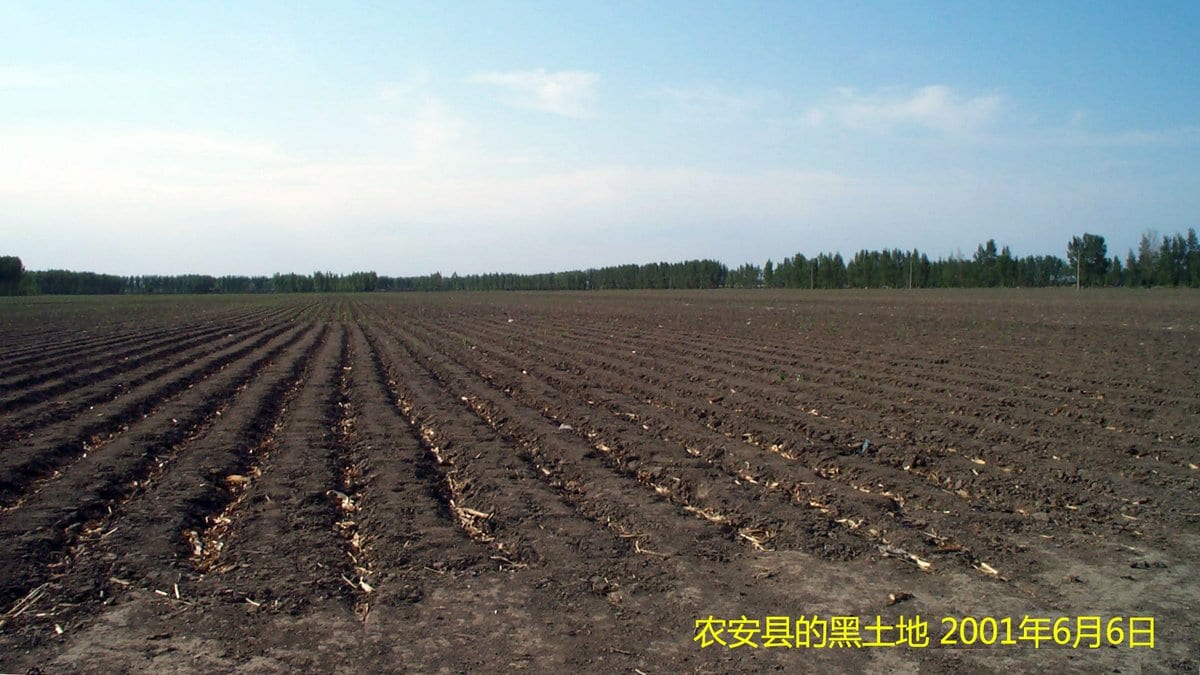
A plowed field of dark soil running in long ridges to a distant tree line under a blue sky in Nong'an County, Jilin province, northeastern China.
Cropland on the black soil belt in Nong'an County, Jilin province, photographed June 6, 2001 (illustrative). The survey covered 50 farms across that belt."农安县 黑土地 black soil - panoramio" by wanghongliu, via Wikimedia Commons, CC BY-SA 3.0

Across 50 farmlands in Northeast China's black-soil belt, what tracked the state of the soil's microbial life was which polymers were in the soil, not how much plastic it held. Yuxiao Zhang, Haiyan Chu and colleagues at the Institute of Soil Science of the Chinese Academy of Sciences surveyed the fields and ran a parallel laboratory incubation.
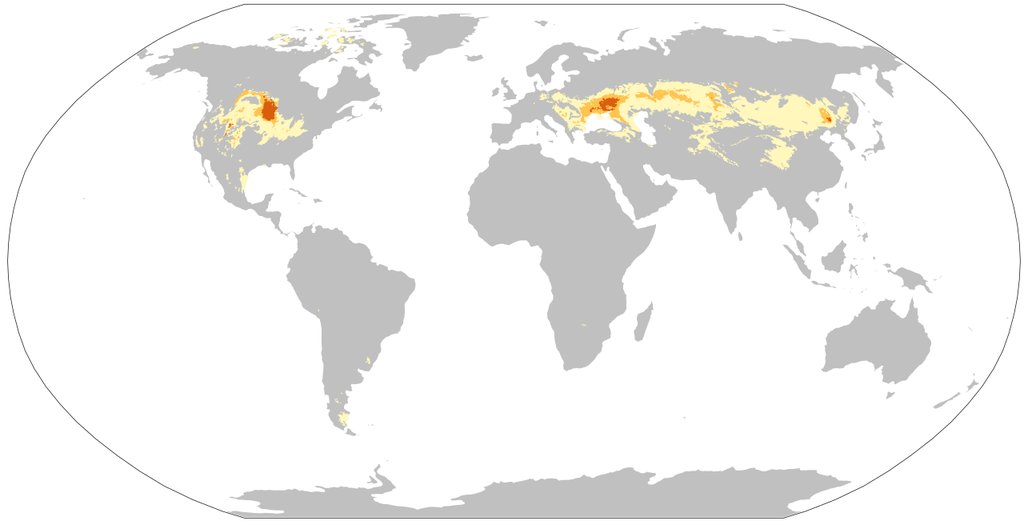
A world map shading the areas of chernozem black earth soils in yellow and orange across the North American prairies, eastern Europe, inland Asia and a patch in northeastern China.
Black earths sit in two broad mid-latitude bands, and the easternmost patch is the farm region the survey sampled. "Distribution of Chernozem soils according to the World Reference Base for Soil Resources classification." by User:Naevius Varius, via Wikimedia Commons, CC BY-SA 4.0

The authors conclude that hazard specific to the polymer, not total plastic load, governs how microbial communities are restructured, and they call for risk assessments to move beyond particle counts toward polymer chemistry. The paper appeared Nov. 27, 2026, in Communications Earth & Environment.

The paper states that microplastic pollution pervades agricultural black soils, and that how the mix of polymers shapes microbial communities across large regions has been unclear. In the field survey, plastic load and polymer hazard came apart geographically: southern sites carried high burdens of polyethylene, polypropylene and PET but scored low on the study's hazard index, while northern sites carried lower loads and scored higher. Soil carbon and nitrogen properties explained 42% to 78% of the variation in the two indices.
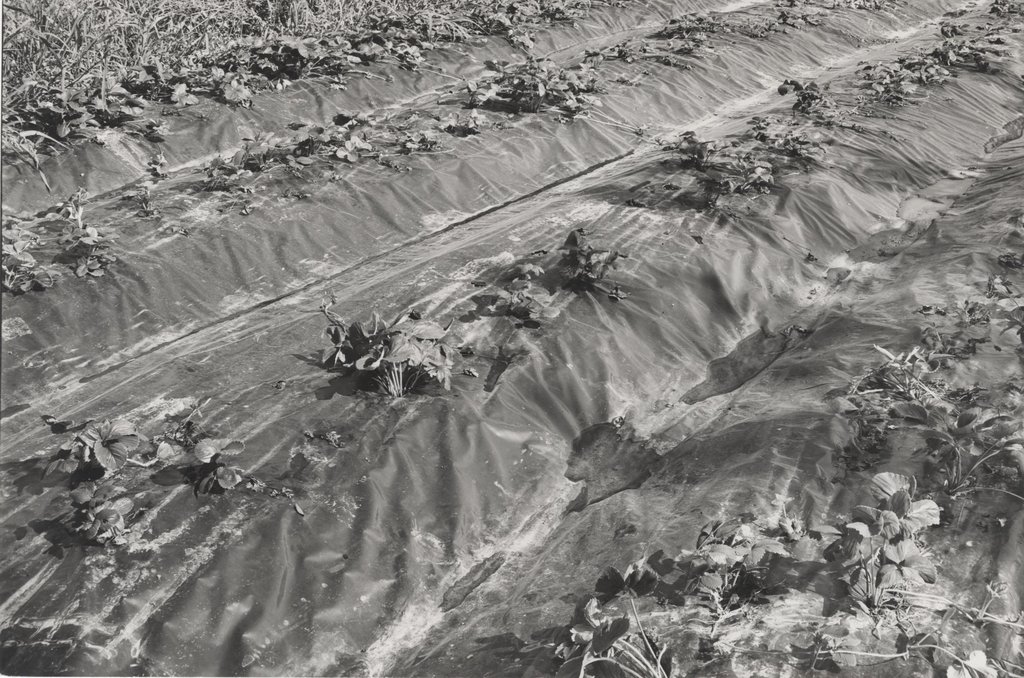
A black and white photograph of a field covered with sheets of plastic, with young plants growing up through slits cut in the sheeting.
Sheeting laid over planted rows in an Italian field in 1966 (illustrative). Films like this one weather into fragments that stay behind in the soil. "Mulch with plastic materials" (no author stated), via Wikimedia Commons, CC BY-SA 4.0

In the incubation, plastic exposure suppressed the dead remains of fungi more than those of bacteria — the ratio of fungal to bacterial remains fell from 0.61 to 0.17 by day 21. A separate DNA-based estimate of microbial biomass gave the same result.

Gene surveys of the exposed soils found genes for energy metabolism, sulfur cycling and biofilm formation more abundant, along with marked changes in genes involved in carbon and nitrogen cycling.

Sources

Spot an error?

Spot an error?

Report an error

Spotted a mistake on this page? Tell us what's wrong and our editors will take a look.

What kind of problem?

Only if you'd like us to be able to follow up. We won't use it for anything else.

We correct mistakes openly. Select any text to flag it. Fixes are logged under our Corrections Policy.

Report an error

Reporting on

In Farm Soil, Which Plastic Matters More Than How Much

What kind of problem?

Only if you'd like us to be able to follow up. We won't use it for anything else.

We read every report. Corrections are logged publicly.