Artemis II Astronauts Saw Five Flashes of Rock Hitting the Moon's Far Side
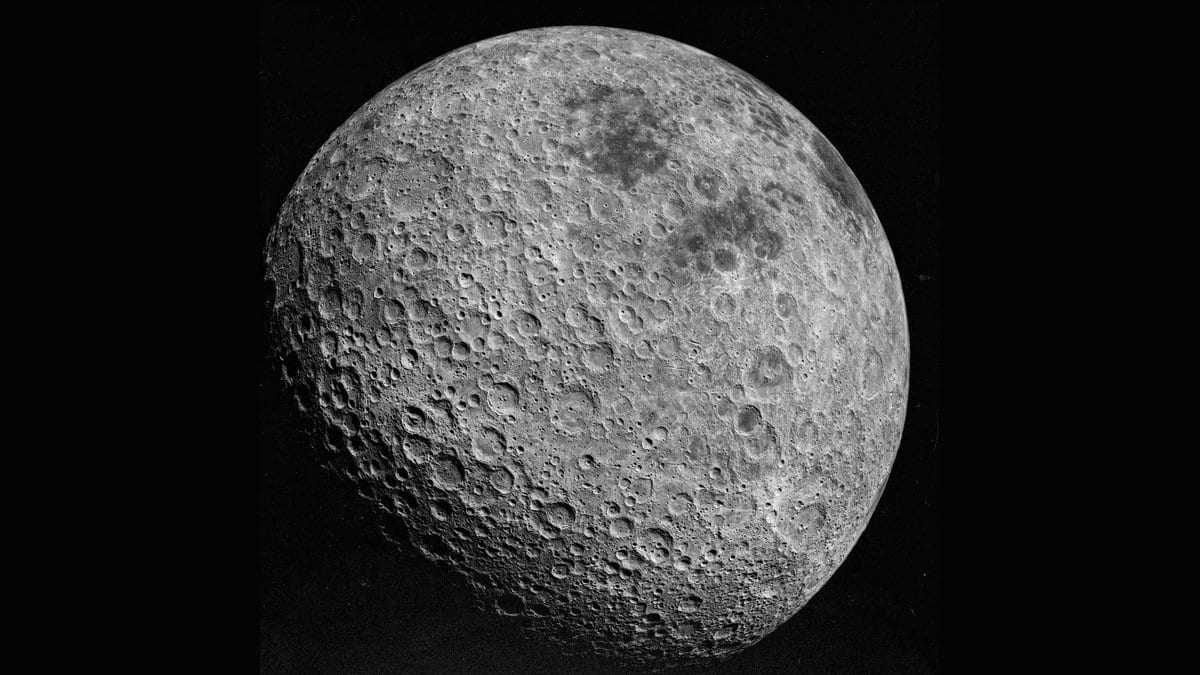
NASA published its first science report from the Artemis II mission on Oct. 7, 2026, confirming that the crew saw five faint flashes of light as rocky fragments struck the far side of the Moon. The agency also released what the astronauts recorded during the flight, including photographs, spoken observations, drawings and annotations.
NASA says those direct observations are a rare dataset that will help scientists work out how often small impacts occur, and calls that essential for judging the long-term risks to future lunar habitats and infrastructure.
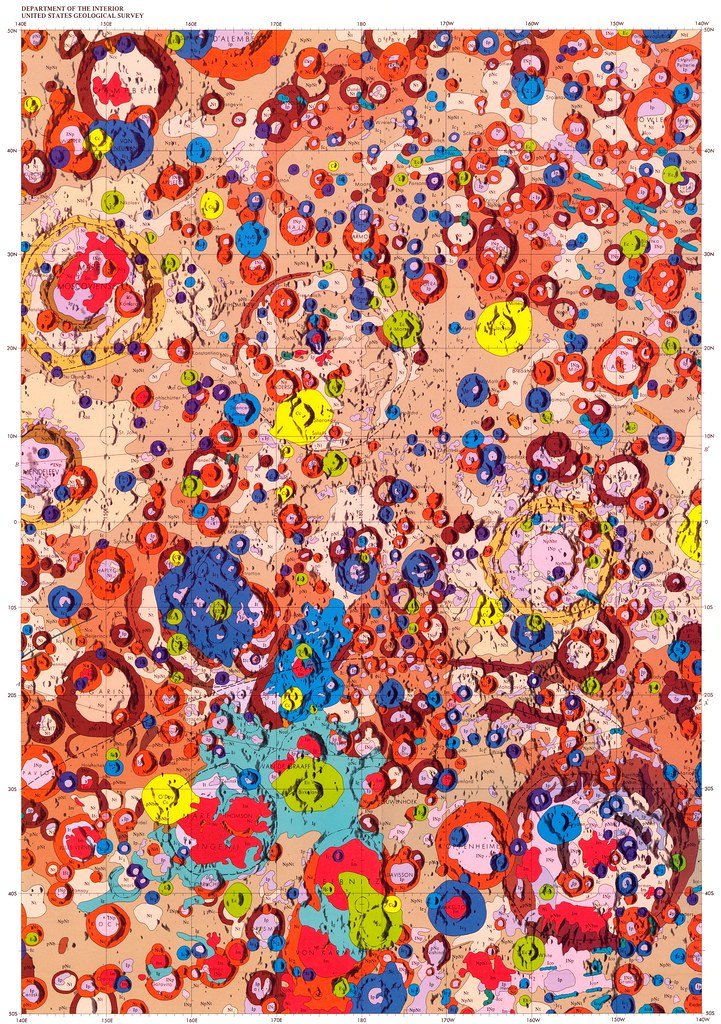
According to the report, three crew members saw the bursts from the Orion spacecraft, which was about 46,000 miles from the Moon at the time. Lunar scientists had asked the crew to watch for them, and the science team confirmed the sightings after ruling out cosmic rays or reflections from the spacecraft. NASA's own reading is that these were likely the faintest such flashes ever seen with the unaided eye, and that Apollo astronauts saw similar ones from lunar orbit. Scientists estimated from the brightness that each incoming rock was no more than a couple of inches wide, traveling thousands of miles per hour.
The conditions were unusually dark. The flashes were spotted during a planned communications blackout behind the Moon, while the Sun stayed hidden behind it for 54 minutes, far longer than a total solar eclipse lasts from the ground. At closest approach, the crew came within 4,067 miles of the lunar surface.
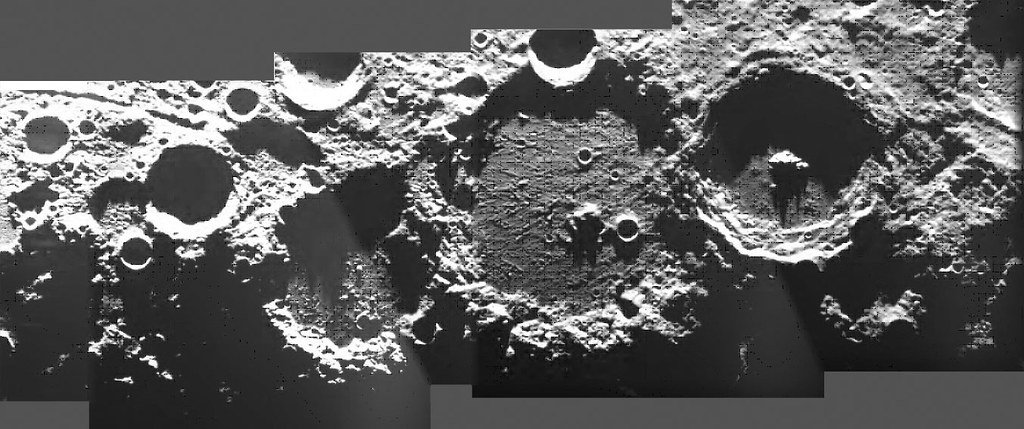
The crew also described subtle colors across the surface, which the report links to different rocks and minerals: browns track iron, and greens mark glass formed in ancient volcanic eruptions or asteroid impacts.
Artemis II flew around the Moon in April 2026. The Artemis II Preliminary Lunar Science Report and its companion reports are posted as PDFs, with the imagery and the full data release in NASA's Planetary Data System.