Two DNA Switches Outside a Brain Gene Are Tied to Autism in Boys
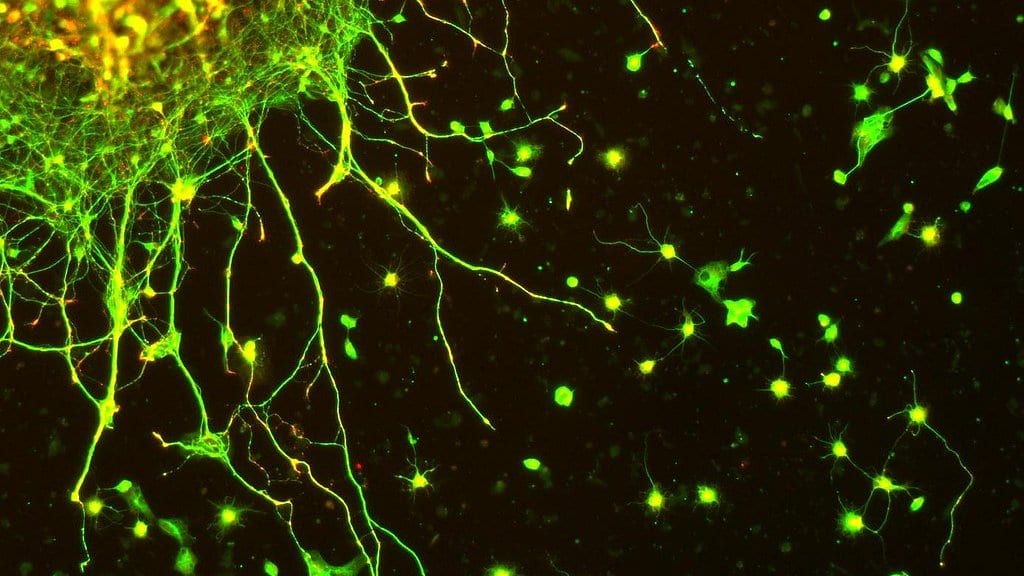
Researchers at Baylor College of Medicine and collaborators at four other institutions report that two DNA changes sitting outside the MECP2 gene, in the switches that set how much of it a cell makes, alter those switches and turn up in boys with autism in the families studied. The work was published Oct. 9, 2026, in The American Journal of Human Genetics.
The paper says autism is diagnosed in boys about four times as often as in girls, and that the basis of that difference remains unclear. The authors tested one explanation: a change that would be too damaging for a boy to survive if it shut a gene off completely might be mild enough to tolerate if it only turned the gene down.
The team used a massively parallel reporter assay in human neurons, a laboratory test that measures the effect of many DNA variants on gene activity at once, and mapped where regulatory proteins attach to MECP2's control regions. Of the autism-associated variants tested, two changed how active those regions were. One sits in the gene's promoter, the stretch of DNA that starts it being read, and blocks a protein called NFY from attaching, lowering MECP2 output by about 30%. Meyer-Schuman and colleagues report that a drop of that size produces social deficits, hyperactivity and anxiety-like behavior in mice.
MECP2 sits on the X chromosome and is sensitive to dose. According to the paper, losing it completely causes Rett syndrome in girls and severe, usually fatal brain disease in newborn boys.
The authors call the two variants candidates, associated with autism within the family trees they examined rather than shown to cause it, and write that the method gives a way to look for similar switch variants in other X-chromosome genes involved in brain development. Co-authors are at the University of Washington, New York University Grossman School of Medicine, the University of California, San Francisco, and Peking University. The paper is free to read.
Sources
- The American Journal of Human GeneticsPeer-reviewed

Medical Disclaimer: This content is provided for general informational and educational purposes only. It is not medical advice and should not be used as a substitute for professional medical advice, diagnosis, or treatment. Always consult a qualified healthcare professional regarding any medical condition, concern, symptom, or treatment decision.