Researchers Trace Siberia's Drier Summers Back to the Arctic Ocean
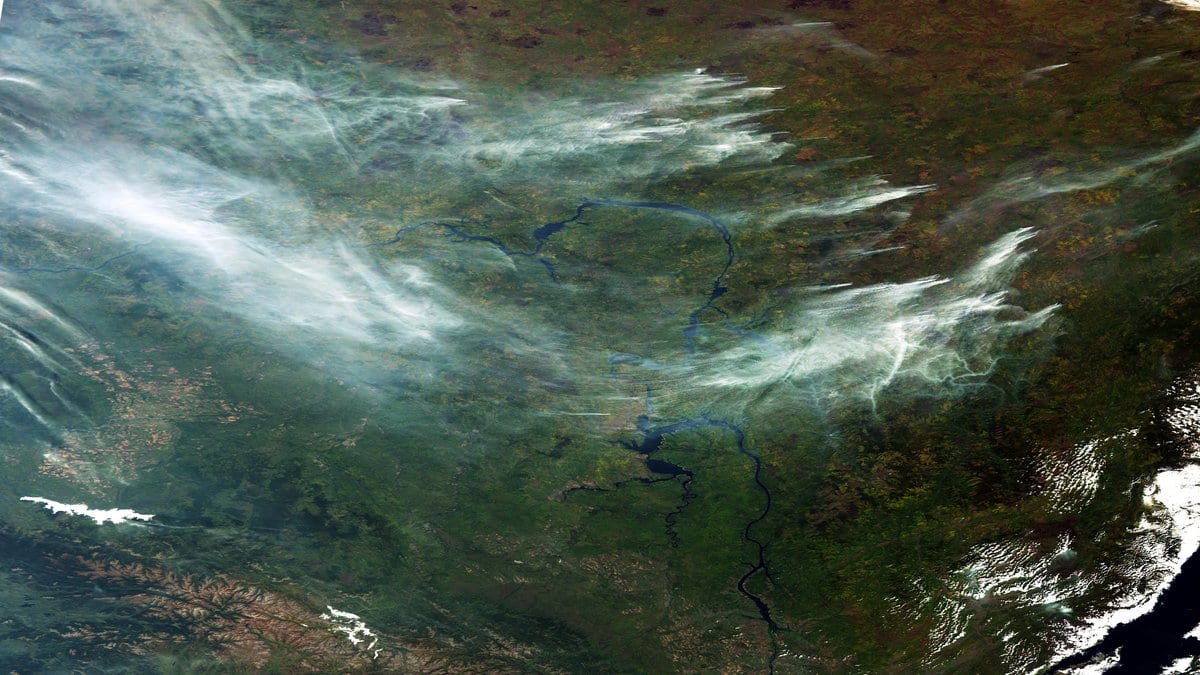
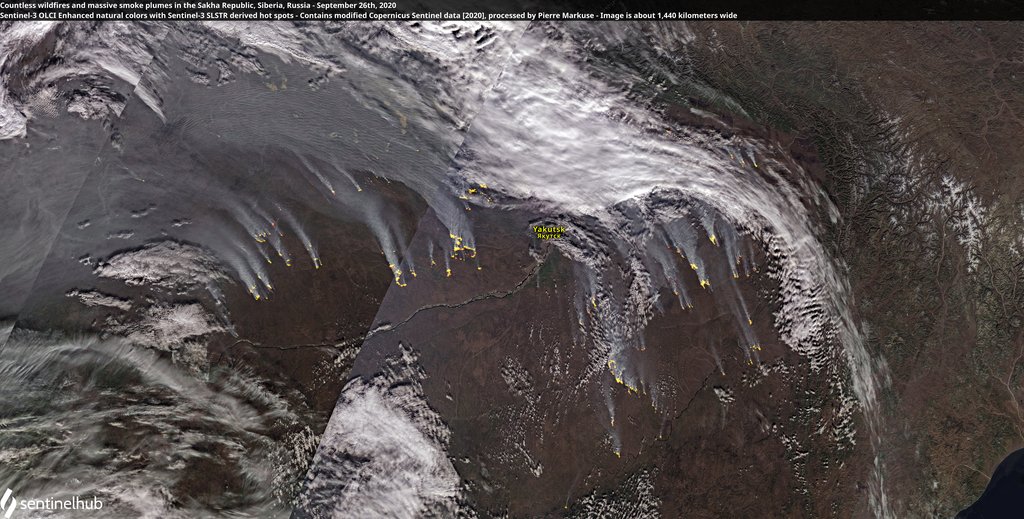
Atmospheric circulation accounts for about 60% of the rise in summer dryness over eastern Siberia between 2004 and 2024, according to a study published Oct. 10, 2026, in Communications Earth & Environment. That share is a statistical apportionment of the trend within the authors' analysis, not a finding about what started any particular fire.
The measure being apportioned is vapor pressure deficit, which tracks how dry the air is and is used as an indicator of fire weather risk. Within the circulation's contribution, the paper attributes about 42% to a feedback that runs through the land surface. The authors say the result identifies a land-surface pathway by which circulation intensifies fire weather risk, and that it offers a broader framework for understanding similar changes in other fire-prone regions.
The chain the paper sets out begins in the Arctic Ocean. Reduced sea ice concentration in the Laptev Sea favors a high-pressure pattern over eastern Siberia, which suppresses rainfall and depletes soil moisture. The drier soil then shifts surface energy away from evaporating water and into heating the air, which raises dryness further. Earlier work had shown that circulation raises dryness by driving sinking, warming air; how much of that increase runs through the land surface had remained unclear.
The paper is by Dongping Bai and Haipeng Yu of the Northwest Institute of Eco-Environment and Resources, part of the Chinese Academy of Sciences, with colleagues at the University of Chinese Academy of Sciences and Lanzhou University. It is open access, and the posted version is an accepted manuscript that the journal says will be replaced by the final version of record. Funding came from the National Natural Science Foundation of China and from science foundations in Gansu province.
Sources
- Communications Earth & EnvironmentPeer-reviewed