Amoeba From a California Hot Spring Breaks the Heat Limit for Complex Life
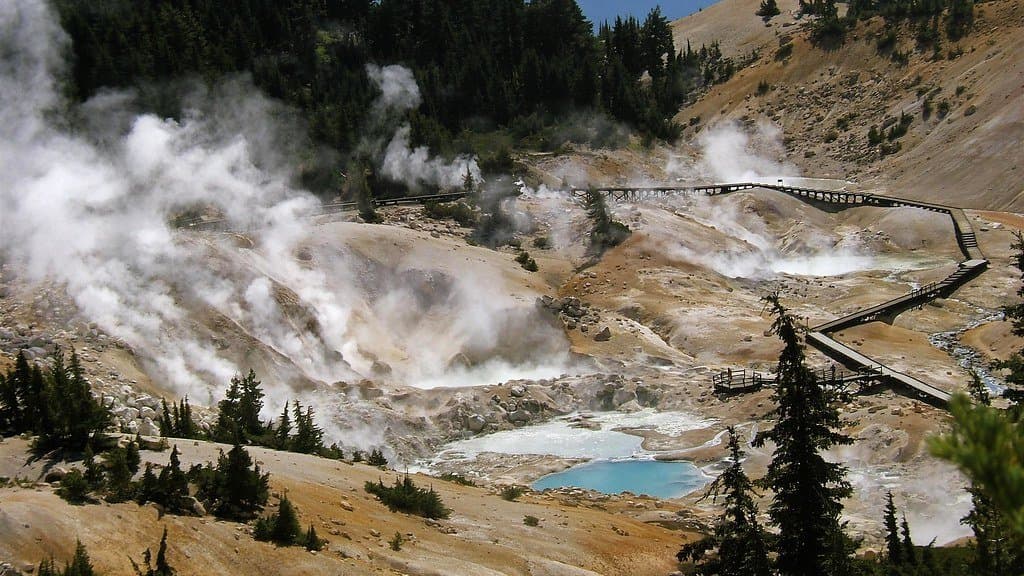
A NASA-funded team has found an amoeba in a hot spring in California's Lassen Volcanic National Park that reproduces at 63 °C (145 °F), hotter than any organism with a cell nucleus had been recorded living in. NASA said the amoeba, named Incendiamoeba cascadensis, sets a record for the upper temperature limit of all known eukaryotes, the organisms whose cells carry a nucleus and which include algae, plants and people.
NASA said studying organisms that live at the limits of what life tolerates, known as extremophiles, helps the agency judge how life might survive on other worlds, and that this result indicates complex cells may be more durable than had been thought.
NASA said the amoeba stops reproducing above 63 °C but stays active, moving around in search of food at up to 64 °C (147 °F). The results were published Sept. 22 in Cell.
The previous documented limit for eukaryotes was 60 °C (140 °F), held by a few species of fungi and red algae. NASA said the membranes inside complex cells had been thought to come apart above 62 °C (144 °F).
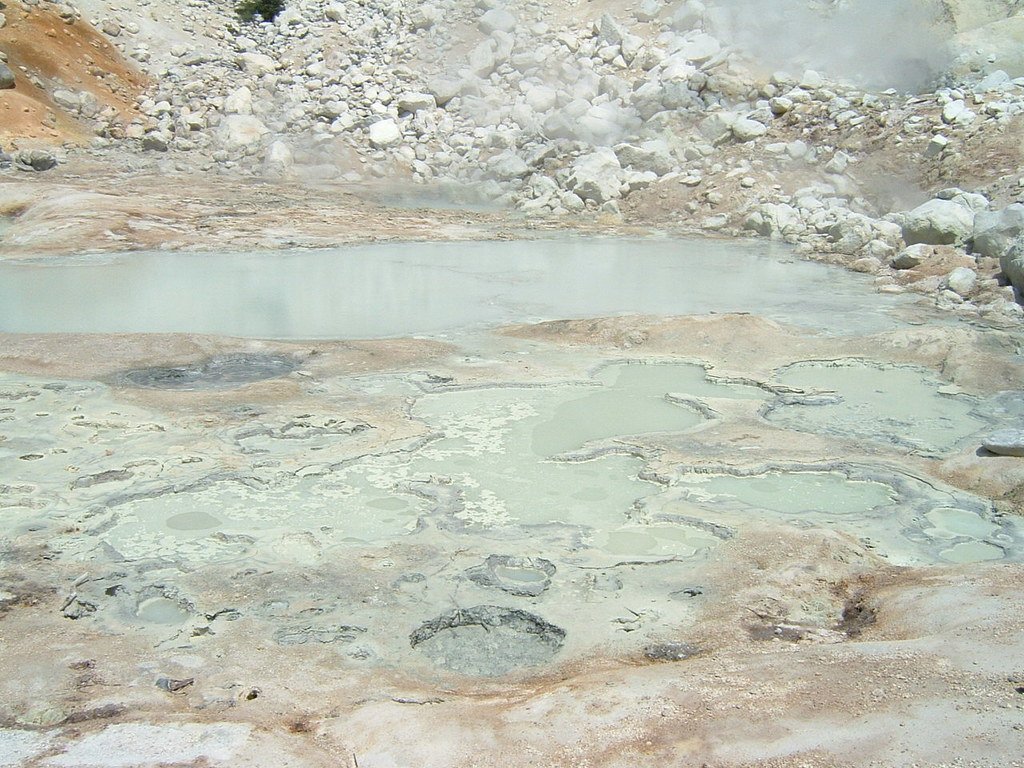
Beryl Rappaport, a graduate student at Syracuse University and the study's lead author, and colleagues sequenced the amoeba's genome and tracked its gene activity as temperatures rose. NASA said they found genes that stabilize DNA, and that genes involved in protein folding became more active in the heat. Rappaport said some of the amoeba's proteins carry a high positive surface charge, like those of heat-loving bacteria and archaea.
Alison Olcott, program scientist for exobiology at NASA Headquarters in Washington, said the finding expands both where life could be found and how complex that life could be. Rappaport said temperature is only one requirement: an environment also needs the right acidity, oxygen, pressure, water and food, and other life to support the amoeba.
NASA said the team also found similar stretches of DNA in geothermal samples collected in New Zealand and Yellowstone National Park, suggesting relatives of the amoeba may be living undiscovered elsewhere.