Patchy Shade Lets Cacao Farms Keep Both Birds and Harvests
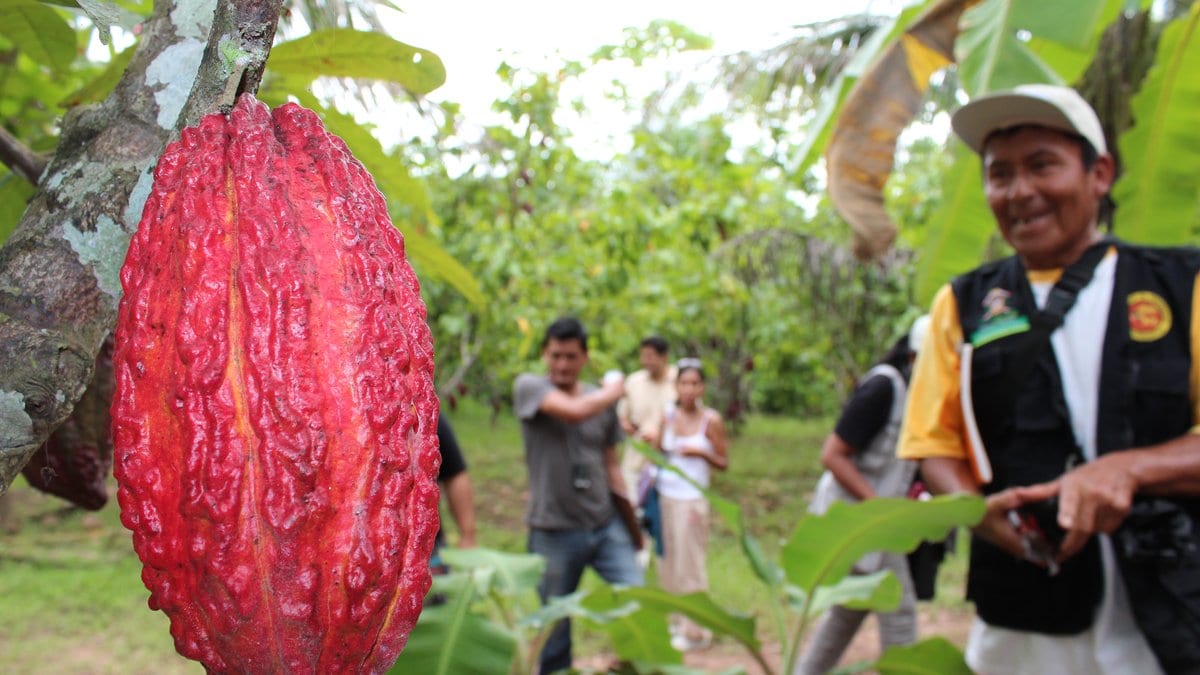
Birds and bats hunting insect pests nearly doubled cacao yields on farms ringed by surviving forest in the northern Peruvian Amazon, and shade cover that varied from patch to patch raised farm biodiversity without costing harvest, Pablo Aycart-Lazo of the University of Vienna and colleagues report from 28 organic cacao agroforests.
Their paper in Communications Earth & Environment, published Oct. 30, 2026, set out to find farm management that pays smallholders and keeps species at the same time, in a part of the Amazon that is unusually rich in wildlife and is losing forest to agriculture. What it points to is not thicker shade but shade spread unevenly.
To measure what the animals contribute, the team caged half of 128 monitored cacao trees in bamboo and fishing-net enclosures that kept birds and bats out and let insects through. Where forest covered 30% to 35% of the surrounding landscape, uncaged trees produced nearly twice as many dry beans as caged ones. Where the landscape had no forest left, caged trees did better; the authors suggest that fruit-eating birds and monkeys taking pods may account for it.
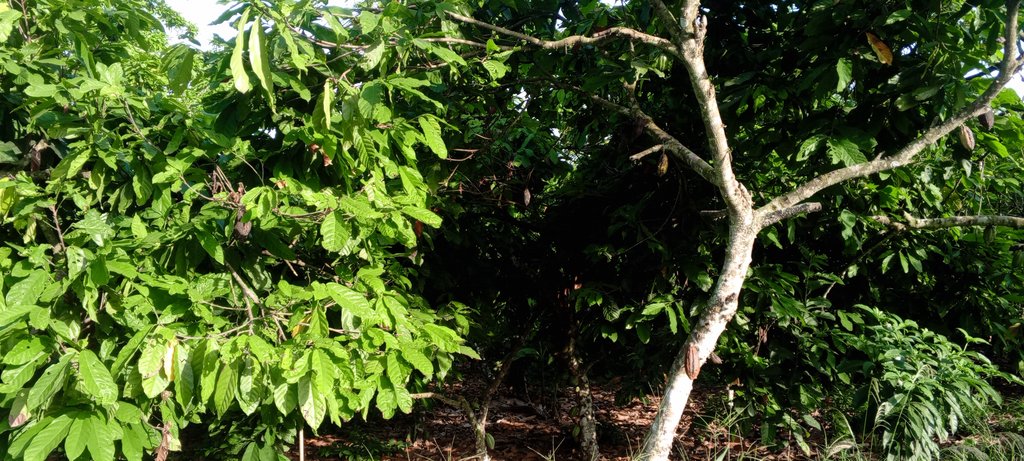
Varying the shade canopy, in height and in spacing, raised bird species counts by 172%, but only where the wider landscape was already rich in trees. In simpler landscapes the same variation changed nothing. Thickening the shade, by contrast, cut harvestable yield once it covered more than 30% of a plot, and what held the crop back there was light rather than pest pressure.
The authors recommend keeping shade near that level, in clusters of trees of differing height, in landscapes that hold on to that much forest plus another 40% to 45% in orchards and other tree crops. Getting there from thinner shade should cost about a tenth of the harvest, which timber and fruit from the shade trees could offset. The fieldwork was done with the Universidad Nacional Agraria de la Selva in Huánuco, Peru, and Bioversity International.
Sources
- Communications Earth & EnvironmentPeer-reviewed