Mixing up Crops Added More Carbon Deep in the Soil Than at the Surface
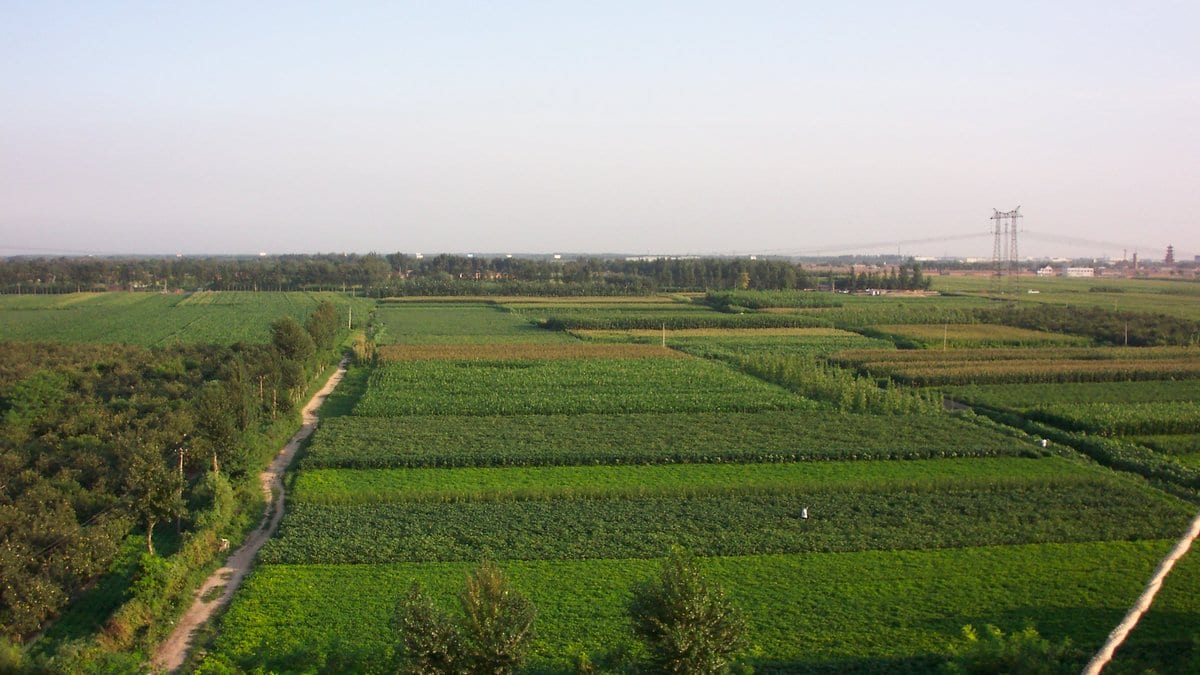
A 43-year field trial comparing a conventional wheat-rice rotation with a more varied sequence of crops found more carbon in the soil under the varied rotation, and a larger gain below the plow layer than at the surface. Cheng Ji of Nanjing Agricultural University and the Jiangsu Academy of Agricultural Sciences and colleagues published the result Oct. 30, 2026, in Communications Earth & Environment, which posted the accepted manuscript ahead of its final edited version.
Crop diversification was already known to build up soil carbon. The authors say the open question was which forms that carbon takes, and their trial set the conventional wheat-rice sequence against a rotation of rice and wheat, cotton and barley, and maize and faba bean.
Soil organic carbon was 9.6% higher under the diversified rotation in the top 15 cm, and 15% higher at 15–30 cm. The deeper layer gained the most. Mineral-associated organic carbon, the fraction bound to mineral surfaces and the slowest to break down, rose 48–69%.
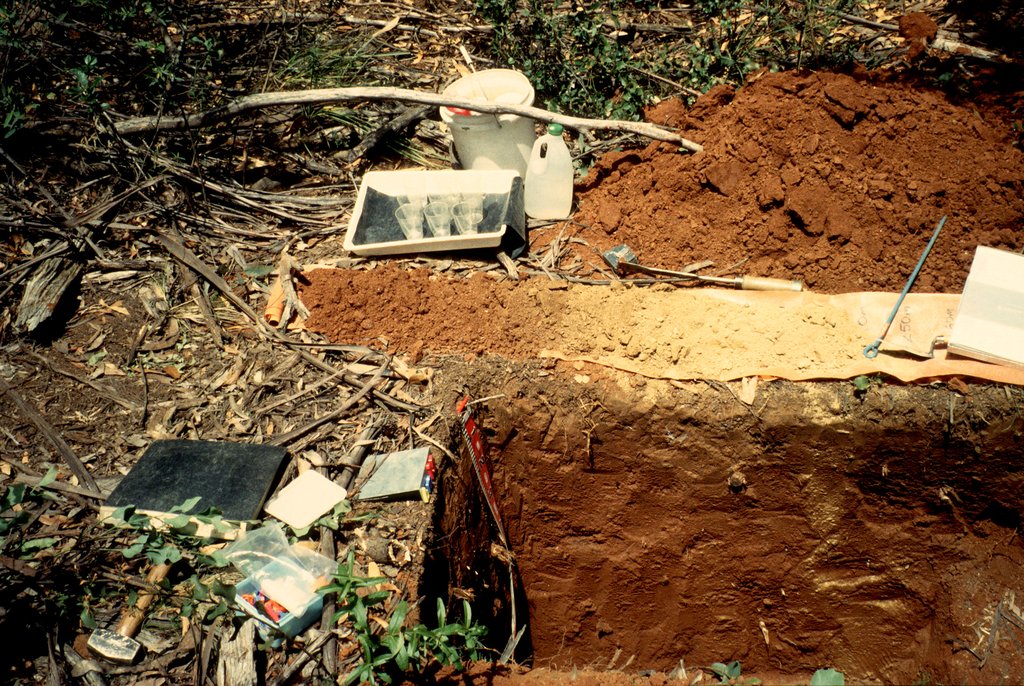
For the mechanism, the authors point to the soil's microbes. The diversified plots supported 150% more microbial growth and a community shifted toward fungi, which broke down woody plant material faster. Less of the soil carbon was plant-derived and more of it came from dead fungi, and that material attached to reactive iron oxides in the soil. Transplants of microbial communities between the two soils show that the organisms living under diversification handle carbon more efficiently.
The trial soil was low in carbon to begin with, and the authors state their conclusion for such soils: diversification shifts the store from hard-to-break-down plant matter toward microbial products held by minerals.
Sources
- Communications Earth & EnvironmentPeer-reviewed
