If Venus Ever Had a Moon, Tides Alone Would Have Destroyed It
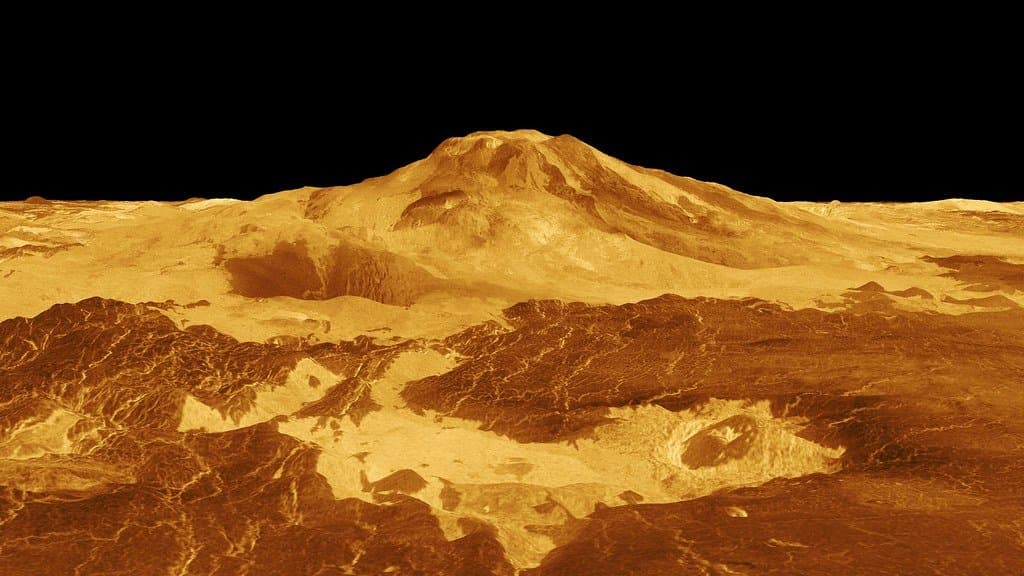
Venus has no moon, and a new modeling study finds that no violent event is needed to explain why: tides alone could have destroyed a satellite, if Venus ever had one. The survey is by Stephen R. Kane of the University of California and colleagues, in The Astrophysical Journal.
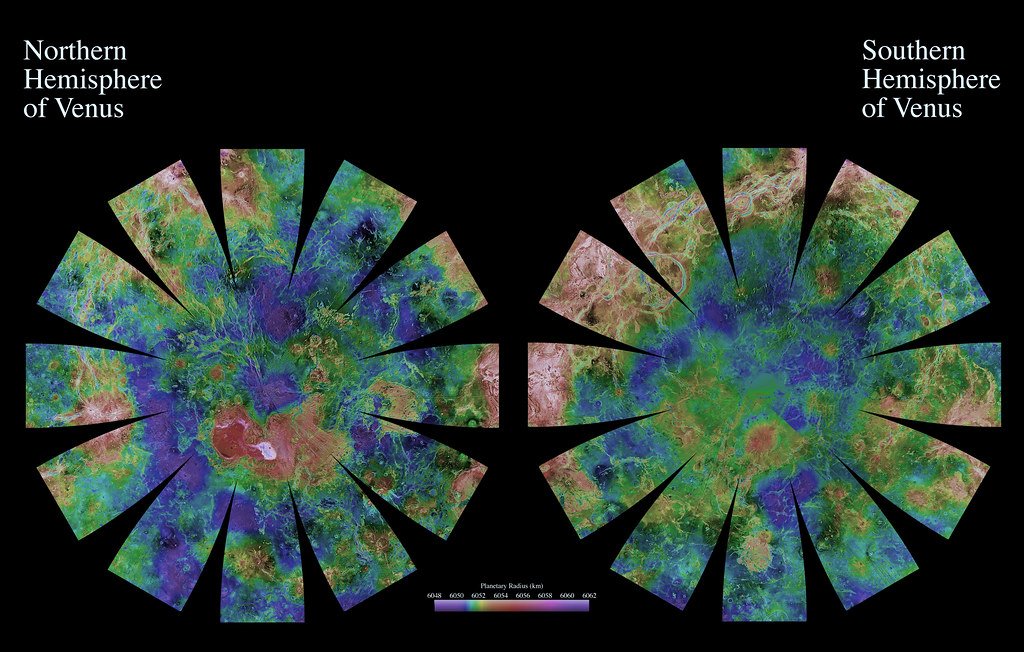
The moon in the study is hypothetical: the question is whether one that formed around Venus could have survived, not whether one existed. Their paper concludes that the absence of a Venusian moon can arise through tidal evolution alone, and that a later catastrophic event, while able to strip a moon away, is not required.
Kane and his co-authors modeled the tides raised on Venus by a moon and by the Sun, linking the planet's spin to the satellite's orbit, across a range of starting spin rates and moon masses. They ran the survey twice, under the two standard treatments of tidal friction, constant-Q and constant time lag.
Under the constant-Q treatment, a starting Venus day of about 15 hours or more, or a moon heavier than about twice the Moon's mass, doomed the satellite. As the planet's spin slows, the distance at which a moon would circle in step with it moves outward past the moon's orbit, and the moon spirals inward until Venus's gravity pulls it apart, within about 0.03 to 1.7 billion years.
On a circular orbit around a Venus turning once in roughly 12 hours or less, a moon of the Moon's mass survives the age of the solar system under both treatments. The other treatment, constant time lag, instead lets heavy moons survive at fast spin: the destruction result holds under one model, not both.
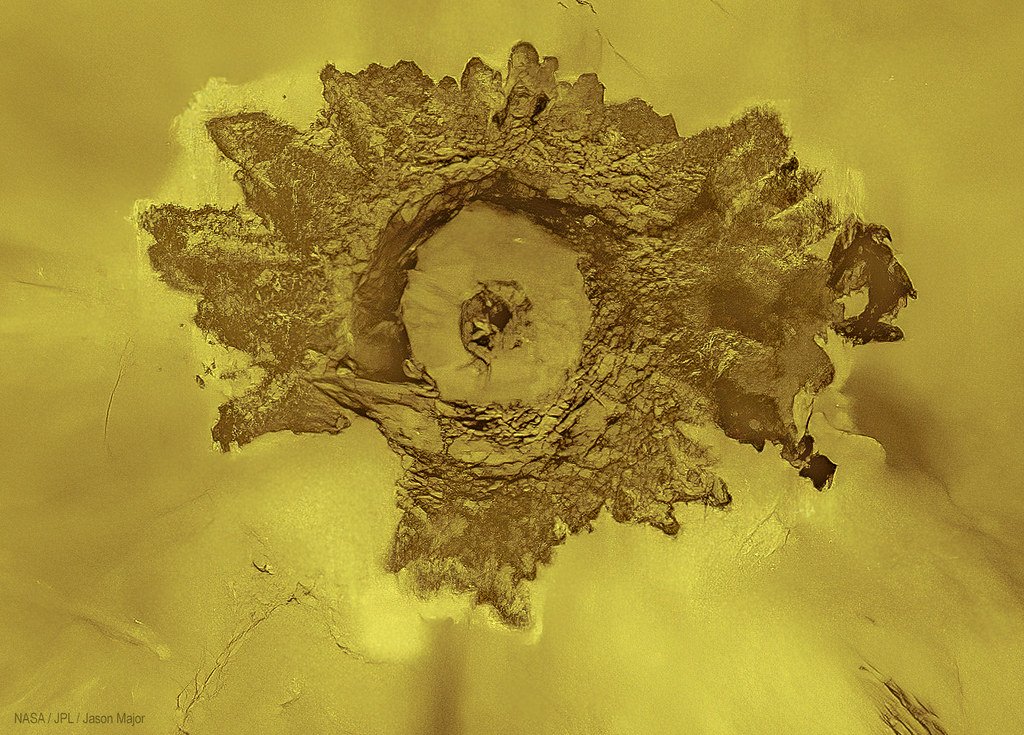
Explaining Venus takes two things at once, the paper says: the moon has to disappear, and a fast-spinning planet has to end up rotating as slowly as Venus does. Both are met only inside a restricted part of the range surveyed. Simulations of giant impacts predict spin periods of about 12 hours or more for Venus's present rotation, which puts a Moon-mass satellite at the edge between survival and destruction.