Mercury in Two Maya Lakes Far Exceeded Modern Toxic Limits for Centuries
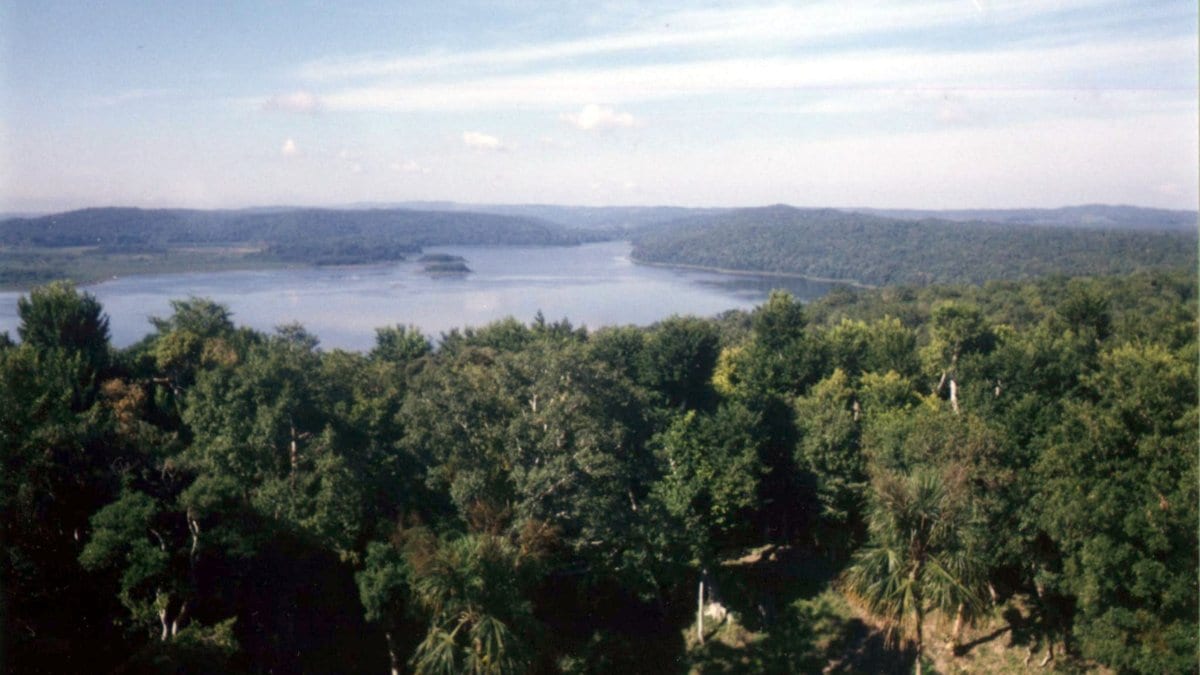
A paper published Nov. 4, 2026, in Science Advances reports that mud cores drilled from the beds of two lakes on the Yucatán Peninsula hold mercury at concentrations orders of magnitude above the levels that make a sediment toxic by modern standards, and that they stay that high for centuries of ancient Maya occupation.
The paper sets that measurement against a question it describes as still open. The authors write that mercury pollution in the Maya region is already documented, while the toxicity of that mercury and the consequences of prehistoric exposure for ecosystems and for human health are not settled. The layers they measured belong to the Classic Period, which the paper dates to 250 to 920 CE.
The authors report evidence in the same sediments that the lake food web gave way: algae, bacteria, cyanobacteria, snails, nonbiting midges and ostracods, small shelled water animals. They place that collapse at the same point in the record as the high mercury concentrations, and say the coincidence confirms that mercury toxicity was an additional environmental stressor for Classic Maya populations. That is a correlation within the same cores, and the paper puts mercury among several stresses rather than naming it a cause of the Classic Maya decline.
The paper relates the region's mercury to two uses: elemental mercury, the liquid metal, and cinnabar, a mercury mineral used as a red pigment. It lists droughts, deforestation and soil erosion as the environmental impacts already on the record for the Lowland Maya, and says recent studies of mercury pollution and of cyanotoxins, the poisons some algal blooms produce, had already suggested that degraded water quality belonged on that list.
Matthew Neal Waters of Auburn University is the paper's first author and Richard Scott Vachula, also of Auburn, its last-listed author. Their coauthors are at the University of Florida, the University of Southampton and the Universidad Autónoma de Yucatán.
Sources
- Science AdvancesPeer-reviewed