Hubble Opens an Atlas of Stars That Stand in for the Early Universe
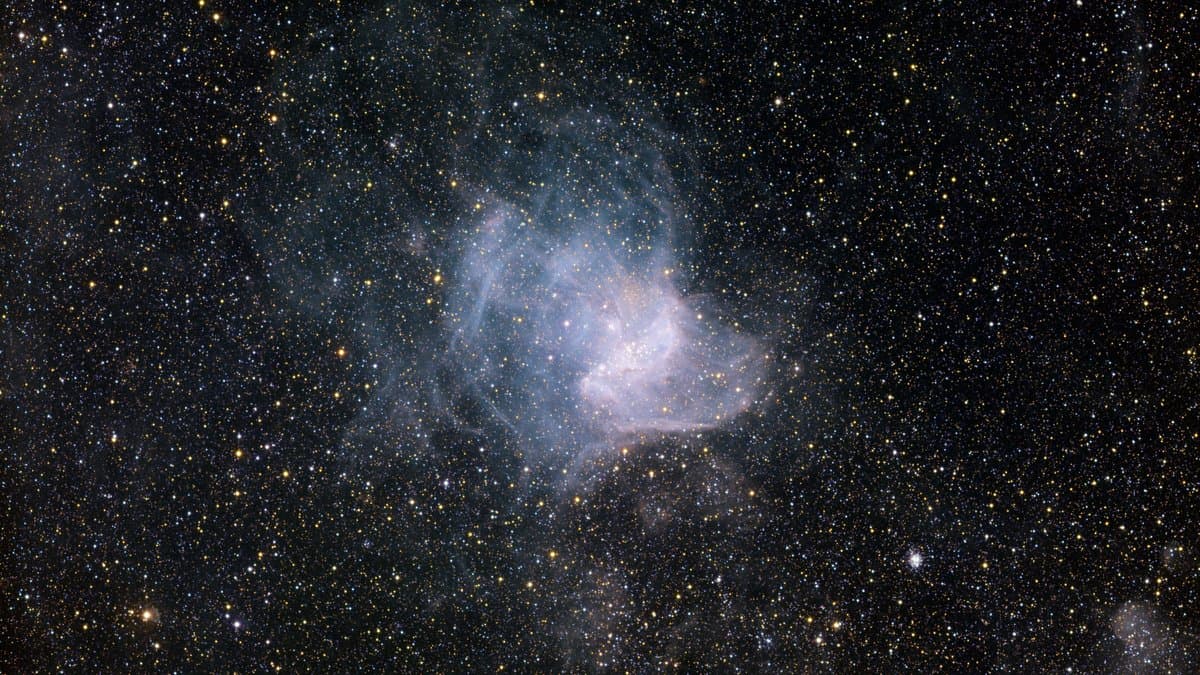
The Hubble Space Telescope survey TEMPOS, the Treasury of Extremely Metal-Poor O Stars, published its first data release on Sept. 21 in The Astrophysical Journal Supplement Series: an atlas of far-ultraviolet spectra for 29 hot, massive O-type stars sitting in nearby galaxies that hold less than about 20% of the sun's share of heavy elements.
In the release paper, O. Grace Telford of the University of Utah and colleagues report that very few far-ultraviolet spectra of stars this metal-poor are good enough to pin down their basic properties or their winds, and that the handful on record were taken with mismatched settings and uneven coverage. The authors say measurements in this range are needed to read metal-poor galaxies, from small dwarfs nearby to the chemically unaltered galaxies of the early universe.
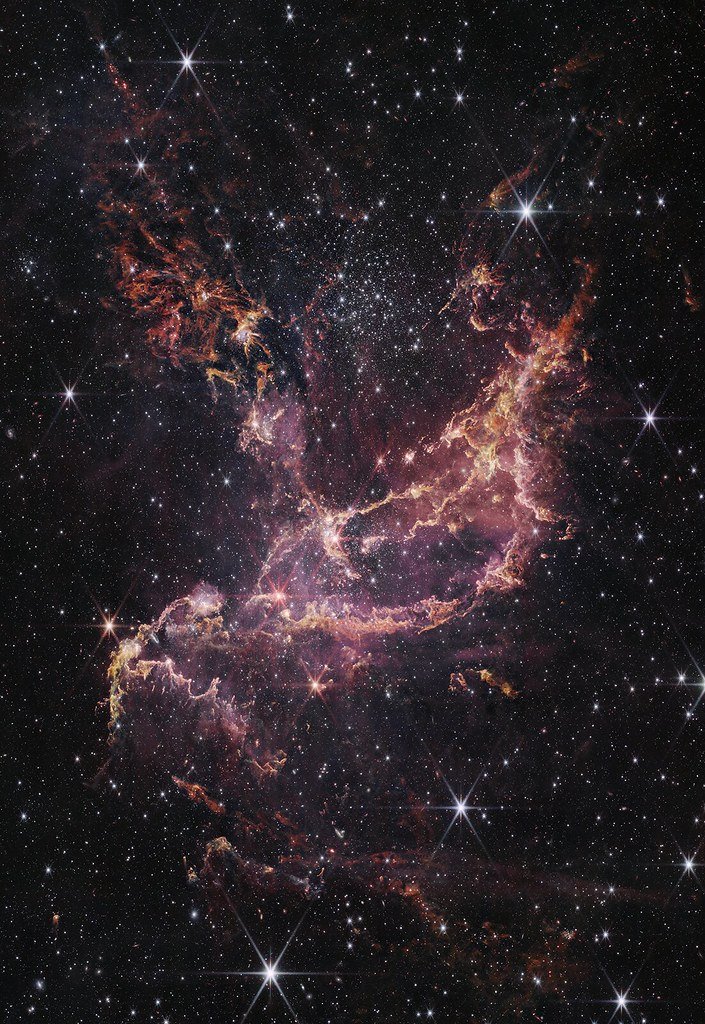
Using Hubble's Cosmic Origins Spectrograph, the survey took new spectra of 12 very metal-poor O stars and stacked them together with archival observations to build the 29-star set, all of it observed the same way. The paper presents first measurements from the atlas: each star's speed toward or away from us, the strength of the absorption lines formed in its surface layers, and its terminal wind velocity, the speed its outflowing gas reaches far from the star.
The paper reports that those wind speeds track the metal content of the host galaxy across roughly 5% to 50% of the sun's, and calls its evidence for a steeper drop in wind strength below about 10% tentative.
The archive record kept by the Space Telescope Science Institute says this release carries reduced, co-added Hubble spectra for every star in the survey, built to match the format of the earlier ULLYSES program so the two sets can be worked on together. Optical spectra of all the stars, taken with the Keck II Telescope, and brightness measurements from archival Hubble images are to follow in later releases.