Spacecraft Built to Meet Asteroid Apophis Powers up for the First Time
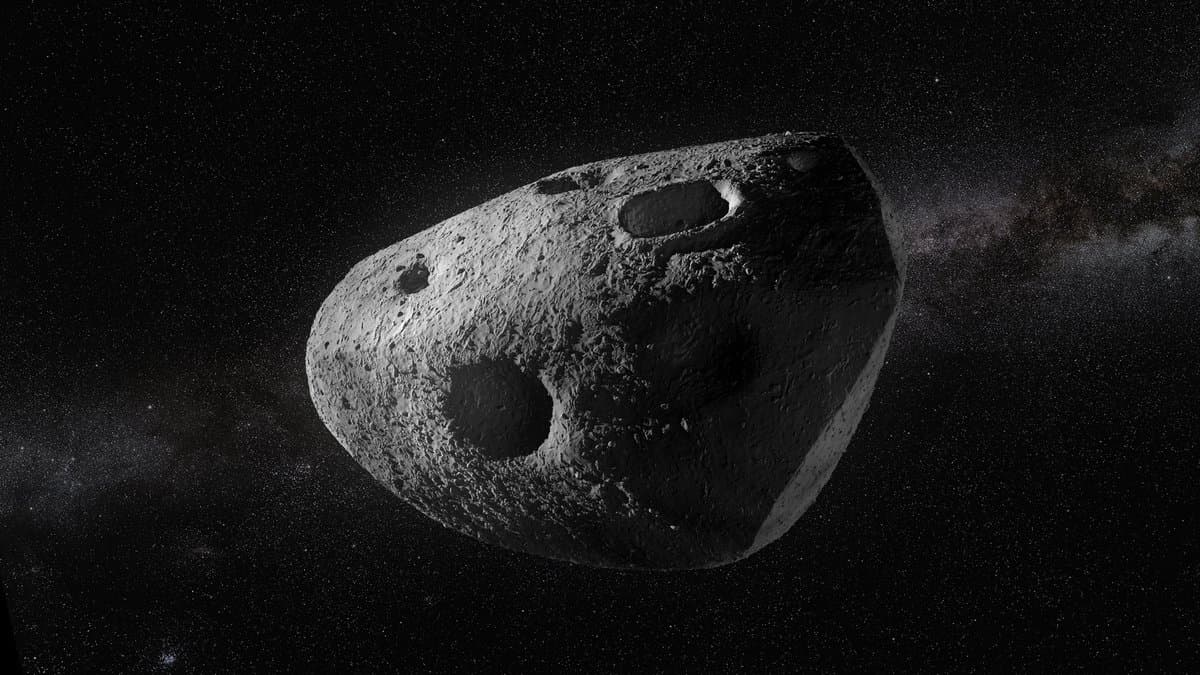
The European Space Agency says its Ramses spacecraft, being built to meet the asteroid Apophis, has been switched on for the first time as an assembled spacecraft, at its prime contractor's cleanroom in Milan. In a statement dated Sept. 23, ESA said power was applied to the probe's onboard computer together with the subsystems now wired to it inside the spacecraft body.
Ramses is the ESA and JAXA mission meant to rendezvous with Apophis and travel alongside it through its close pass of Earth on April 13, 2029, watching how the asteroid is stretched and reshaped by Earth's gravity. Powering the computer and its subsystems together lets the machine be tested as a whole rather than unit by unit.
"Obviously these units have previously undergone individual testing, but this was by themselves in a void," Ramses lead engineer Ingo Gerth said in the ESA statement. "Now, for the first time we have been able to perform real integrated functional testing, working in unison with other equipment on the satellite."
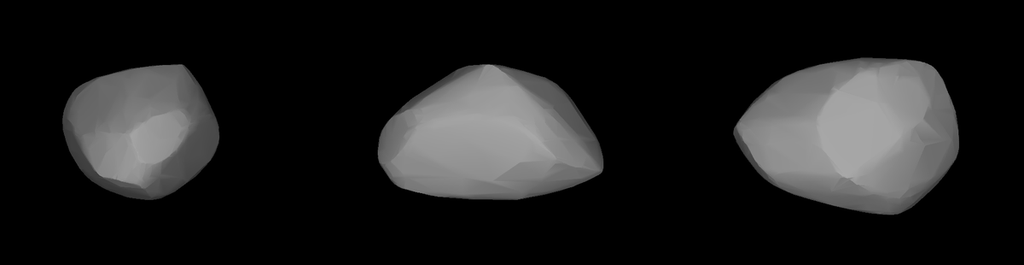
ESA's Planetary Defence Office says Apophis, roughly 375 meters across, will pass less than 32,000 km from Earth's surface on that flyby, briefly closer than satellites in geostationary orbit. Radar measurements have ruled out any chance of an impact on Earth for at least the next century.
ESA says the units brought up with the computer include the mission's mass memory unit and its power conditioning and distribution unit, which feeds the rest of the spacecraft. Several remote terminal units, which turn instrument readings into data the computer can use, were powered too. The core module holding that electronics is being assembled by OHB Italia in Milan.
ESA says the spacecraft has to reach space by spring 2028, on a Japanese H-3 rocket, to make the encounter. Its propulsion module is being fitted with tanks and sensors in parallel at ArianeGroup's Orbital Propulsion Centre in Lampoldshausen, Germany. The two modules are to be joined at ESA's ESTEC Test Centre in Noordwijk, the Netherlands, before full pre-flight testing begins.