Potatoes Grew to Harvest in Lunar Soil Substitutes, Once Compost Was Added
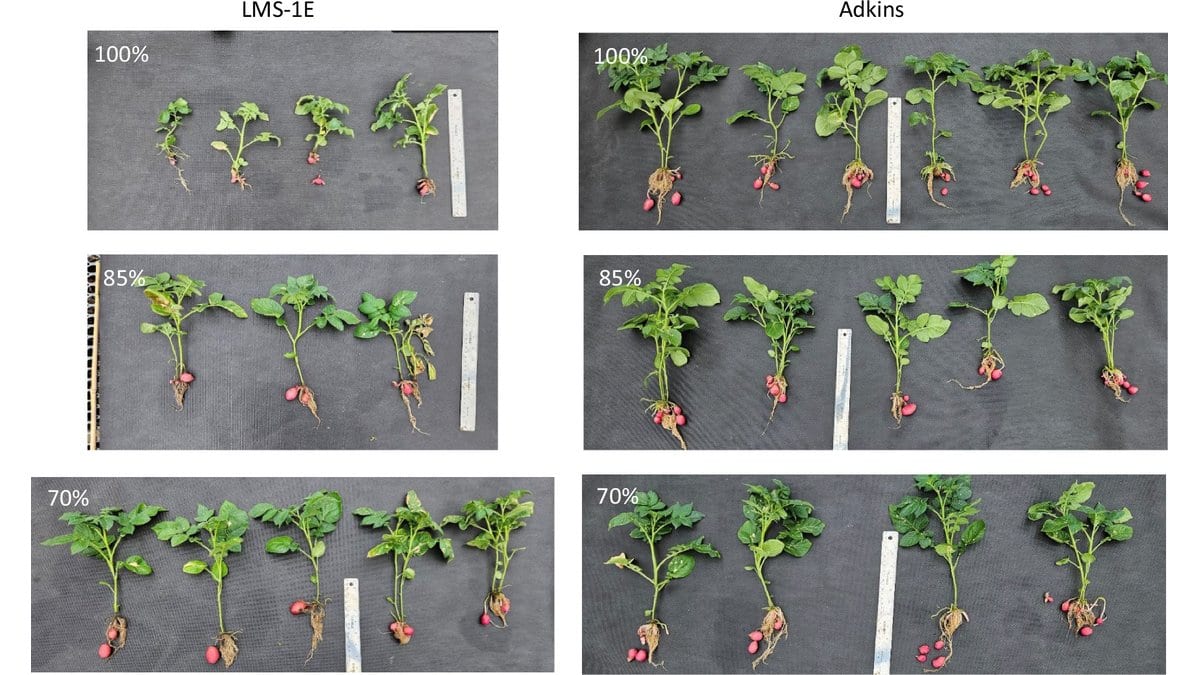
Researchers at Oregon State University report that potato plants completed a full life cycle and produced harvestable tubers in five manufactured stand-ins for lunar soil, called simulants, as long as organic matter was mixed in first. The plants grew in a greenhouse on Earth; real lunar regolith is not available in the quantities a plant experiment needs.
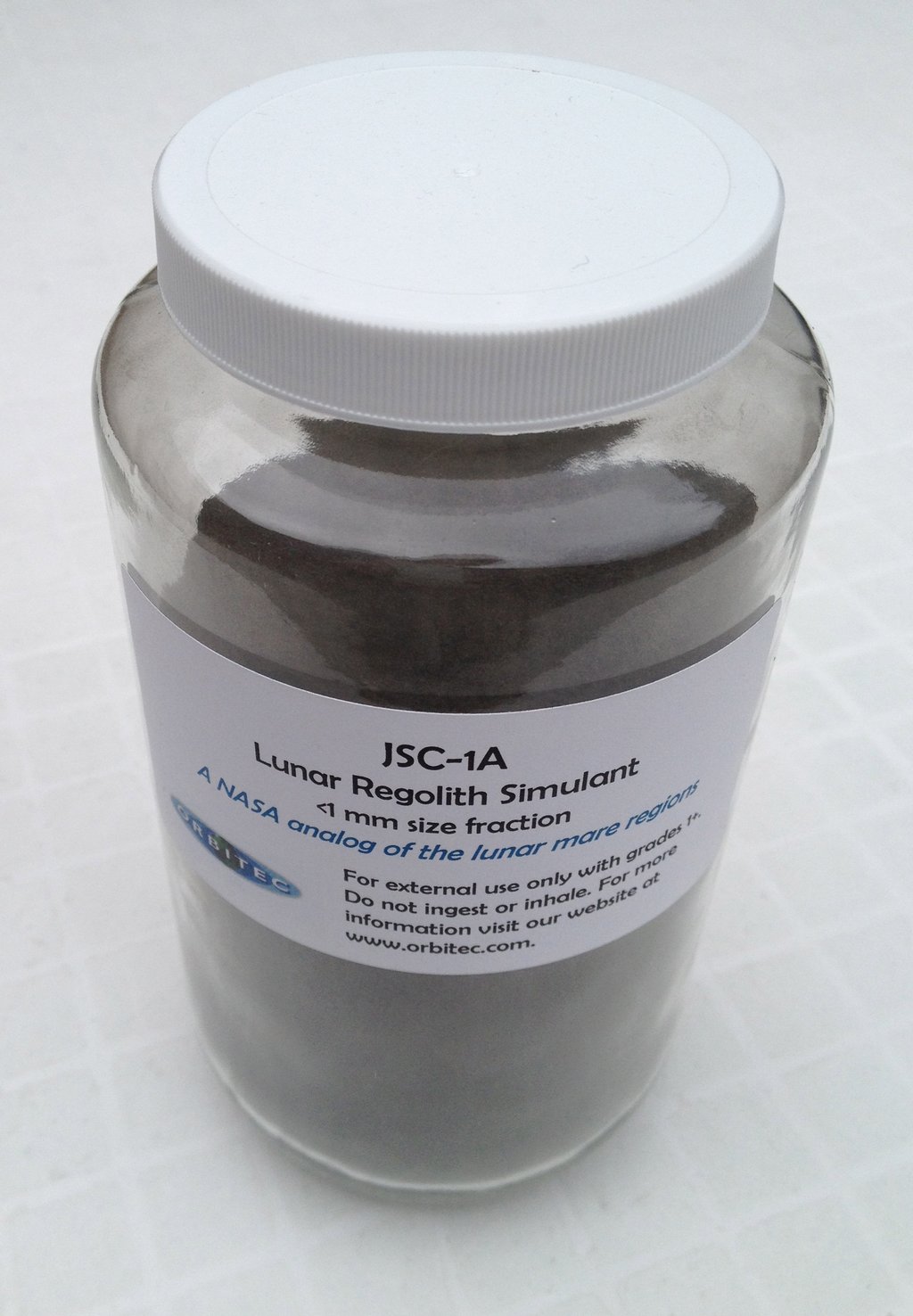
The authors describe the work, published Nov. 19, 2026, in npj Microgravity, as a test of whether crews on long lunar missions could grow food from what is already there. They chose potato because it yields more calories per unit of growing area than many other crops.
In unamended simulant the plants barely developed. The team reports that growth was severely restricted, that roots from three of four plants fell below a 0.01-gram detection limit, and that the symptoms are typical of copper excess. Mixing in vermicompost, worm-worked organic matter, progressively restored yield; as little as 30% of it by volume brought biomass and plant shape back to levels comparable to a terrestrial soil control.
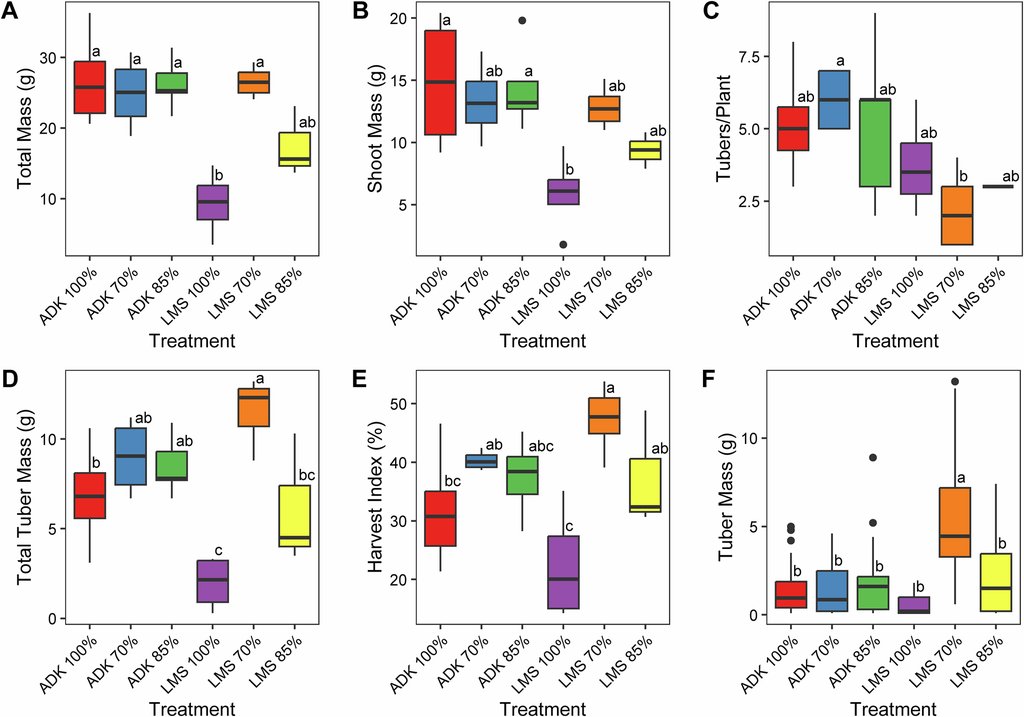
The five simulants did not behave alike. With 5% compost by volume, all five cut tuber yield against the soil control. Reading the activity of all the genes in the leaves, the team found each simulant produced its own pattern of change, which it reads as stress specific to the substrate rather than one general reaction.
The tubers changed little. The paper reports minimal deviation from control plants in the compounds they carried, including solanine and chaconine, the two toxins potatoes make under stress, neither of which rose significantly. Copper and zinc were modestly raised in tubers from some simulants, and aluminum in those from the highland ones — a result the authors say warrants continued monitoring.
The authors caution that simulants are not the real thing, citing work in which the lab plant Arabidopsis responded differently to one of the simulants used here than to regolith returned by Apollo. They call their own study the first to characterize growth, gene activity and tuber chemistry in potato across several simulant types.
Sources
- npj MicrogravityPeer-reviewed