FDA Approves the First Drug for a Rare Muscle-Wasting Disease
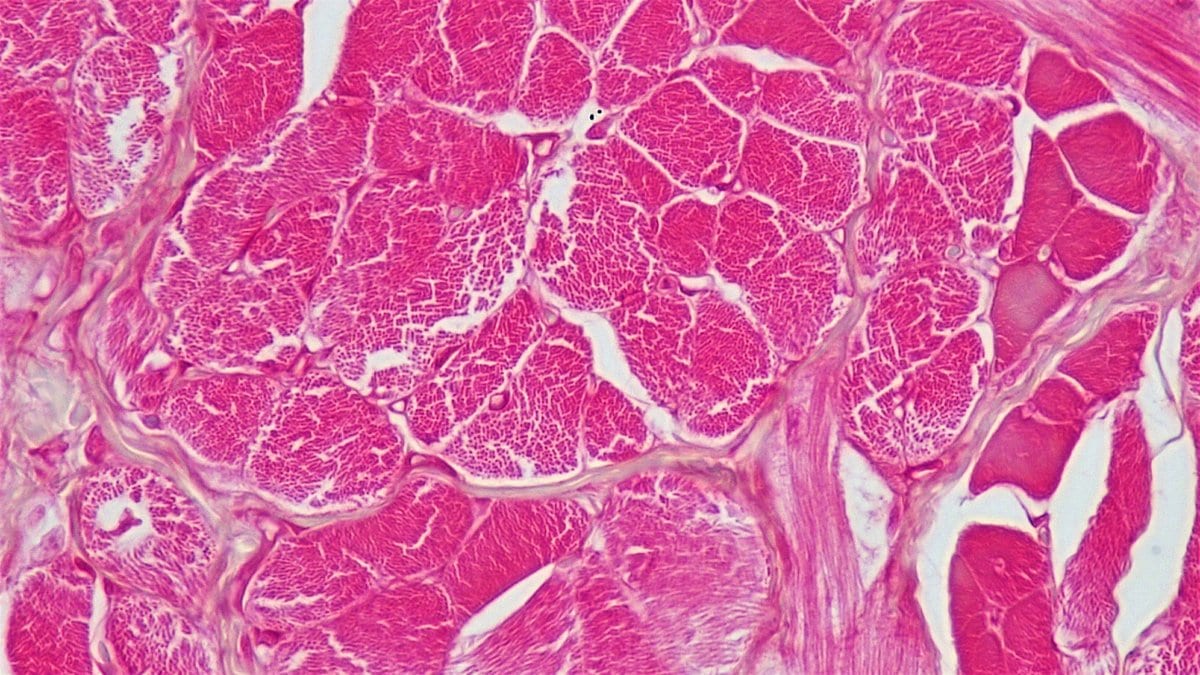
The U.S. Food and Drug Administration approved Welgemda (ribitol) on Nov. 23, 2026, for limb-girdle muscular dystrophy type 2I/R9, a rare inherited muscle disease that had no approved medicine until now. The agency calls it the first therapy approved for any form of limb-girdle muscular dystrophy.
Mutations in the FKRP gene make muscle cells fragile, so they break down over time. The FDA's announcement describes progressive weakness, difficulty walking and, in many patients, impaired breathing; symptoms usually appear in childhood or early adulthood. The approval covers adults and children weighing at least 30 kg, and the medicine is taken as an oral solution twice daily.
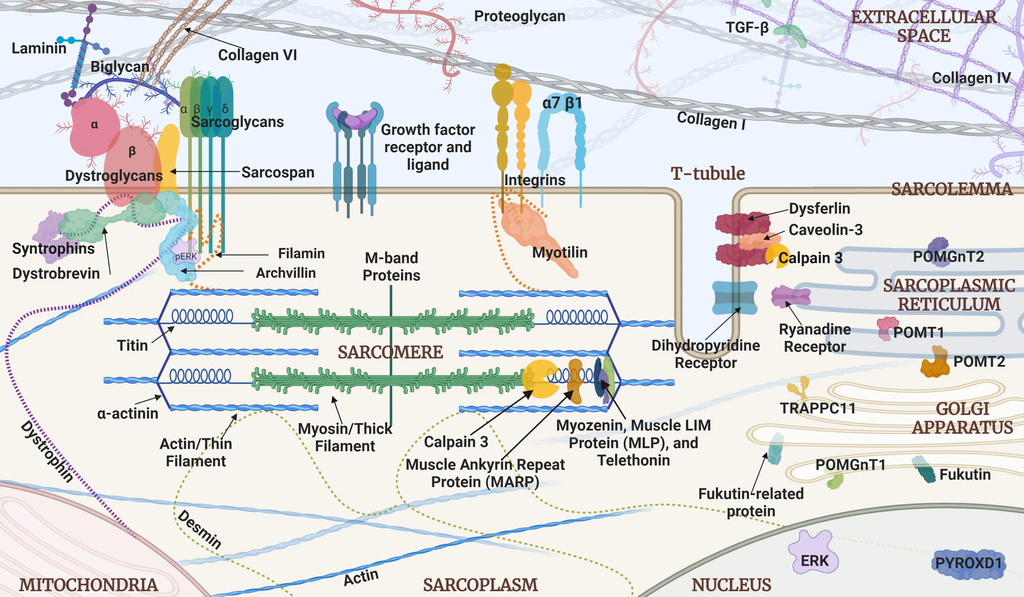
The FDA said Welgemda was evaluated in a randomized, placebo-controlled, double-blind trial in 112 patients with genetically confirmed disease, who were assigned to the drug or a placebo for up to 36 months. That study is still running. At a planned interim analysis after 12 months of treatment, patients receiving Welgemda showed significant improvements compared with placebo in walking speed, measured on a 100-meter timed test, and in lung function, measured as forced vital capacity — the volume of air a person can blow out. Treated patients also had more of the sugar-tagged form of a protein that anchors muscle cells to surrounding tissue, which the agency said showed the drug was reaching its target.
"The clinical data supporting Welgemda's approval show meaningful improvements in walking speed and lung function, and we are encouraged by what that can mean for patients' daily lives," said Laura Jawidzik, director of the Division of Neurology 2 in the FDA's Center for Drug Evaluation and Research. How the drug works is not fully known, according to the announcement; it may involve a rise in a natural sugar molecule that holds that protein in place. The most common adverse reactions were gastrointestinal effects, such as diarrhea and stomach pain, and joint pain.
Welgemda received Orphan Drug, Fast Track and rare pediatric disease designations. It is manufactured by ML Bio Solutions Inc. and distributed by BridgeBio Pharma, Inc.