A Planet Around a Nearby Star Is Back to Being a Candidate
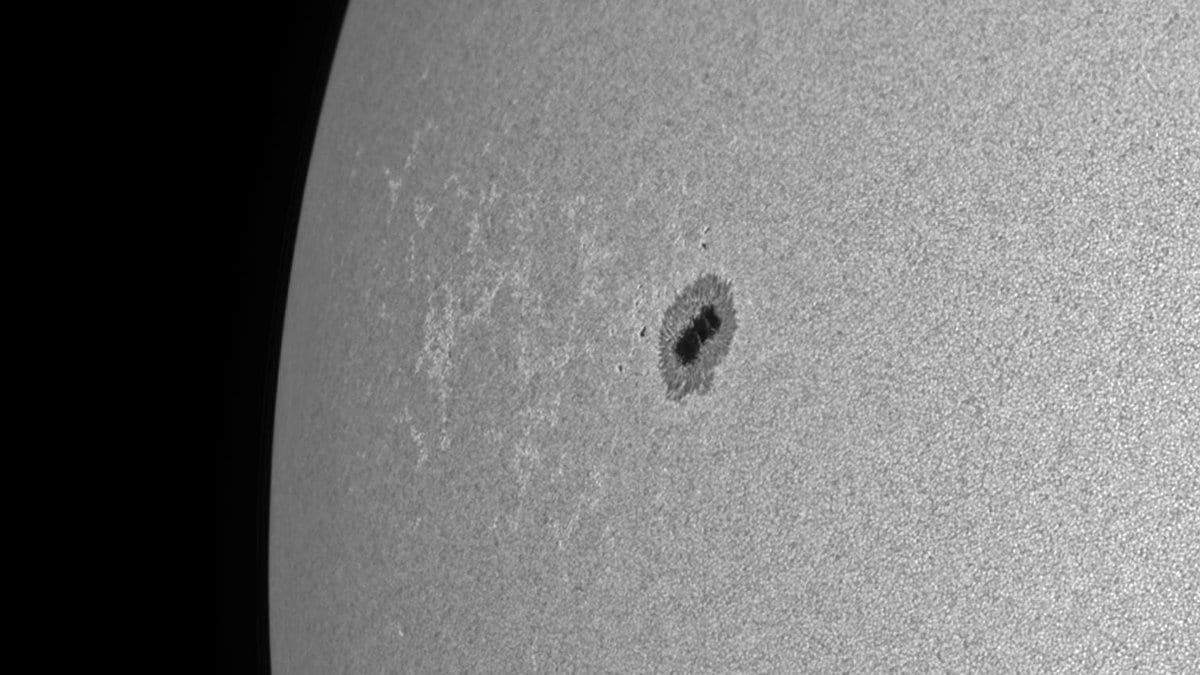
A reanalysis of the same measurements that confirmed the planet GJ 9404 b has returned it to candidate status. A team led by Atanas K. Stefanov, of the University of Geneva and the Instituto de Astrofísica de Canarias, reports that once the star's own activity is modeled alongside any orbiting planet, the 54 public velocity measurements behind the detection no longer support one.
The authors set out to test whether the case for the planet survives that step. Red dwarfs are favored targets for planet searches that look for the small rocking motion a planet gives its star, but their restless surfaces can imitate or hide that motion, and the earlier analysis used the velocities alone.
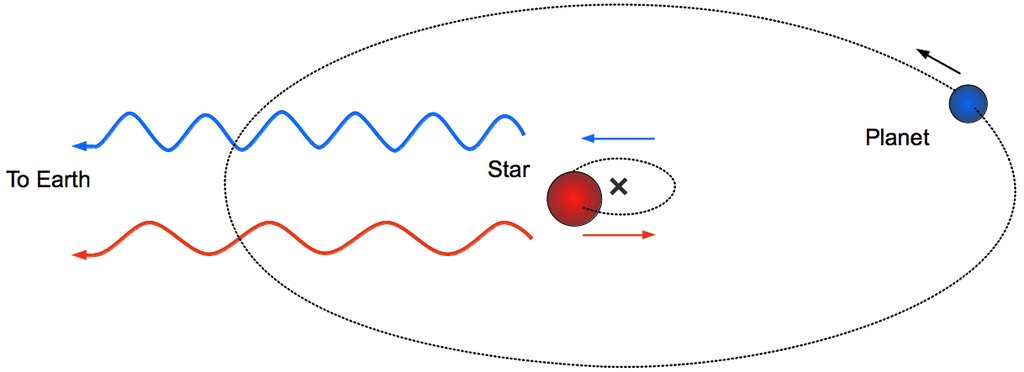
The four-page research note, posted Nov. 19, 2026, has been accepted by Research Notes of the AAS, a journal for brief reports. The team modeled the star's rotation in three sets of measurements at once, including the width of its spectral lines, and then searched for a planet at any period from two to 100 days.
No model that included a planet explained the data better than the planet-free version. On the log-evidence scale the team used, the planet models scored at most minus 0.4 — well short of the conventional bar of 5 for a significant detection. The authors call that insufficient for a widely accepted detection.
The signal was first flagged as a possible planet in 2022, on a 13.46-day orbit, by M. Pinamonti and colleagues. In 2023 a separate group, using the same HARPS-N data, declared it a confirmed planet in a note titled "GJ 9404 b: A Confirmed Eccentric Planet, and Not a Candidate," with a minimum mass about a dozen times Earth's. Thomas A. Baycroft, that note's first author, is a co-author of the new one.
Stefanov and colleagues say more observations are needed to measure how active the star is and to pin its rotation period. They also report a result about the method: a few dozen measurements were enough to build a workable activity model, as long as two or more activity indicators are tracked alongside the velocities.
Sources
- arXivPreprint