Japan's Mars Moon Spacecraft Is Healthy a Day After Launch
The Japan Aerospace Exploration Agency said on Oct. 21, 2026, that it had confirmed that the critical sequence of the Martian Moons eXploration (MMX) spacecraft's initial operations was completed successfully and that the spacecraft is in good health.
The confirmation closes what JAXA calls the initial critical operations phase: the period from the spacecraft's separation from its launch vehicle until a series of operations has established that the spacecraft is healthy.
Three operations are named. The solar array paddles, which supply the spacecraft's power, had to deploy; three-axis attitude control, which holds the craft steady in every direction, had to be established; and the mechanism holding the medium-gain antenna down for launch had to be released. That antenna is one of the spacecraft's radio links to Earth.
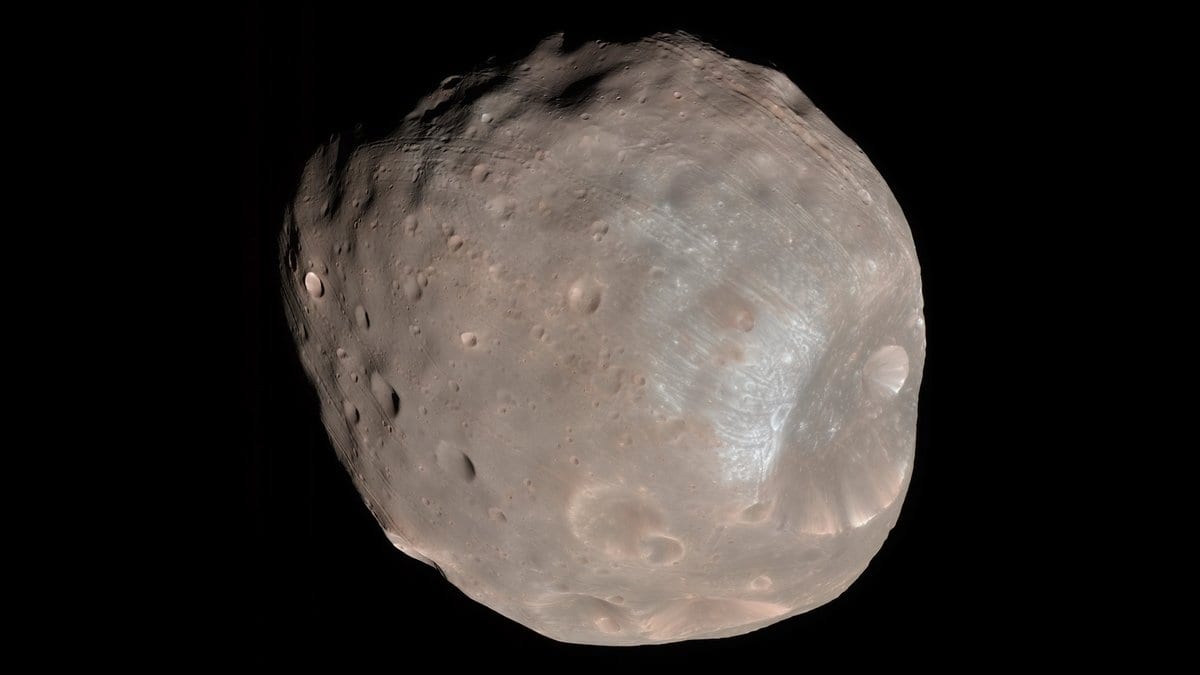
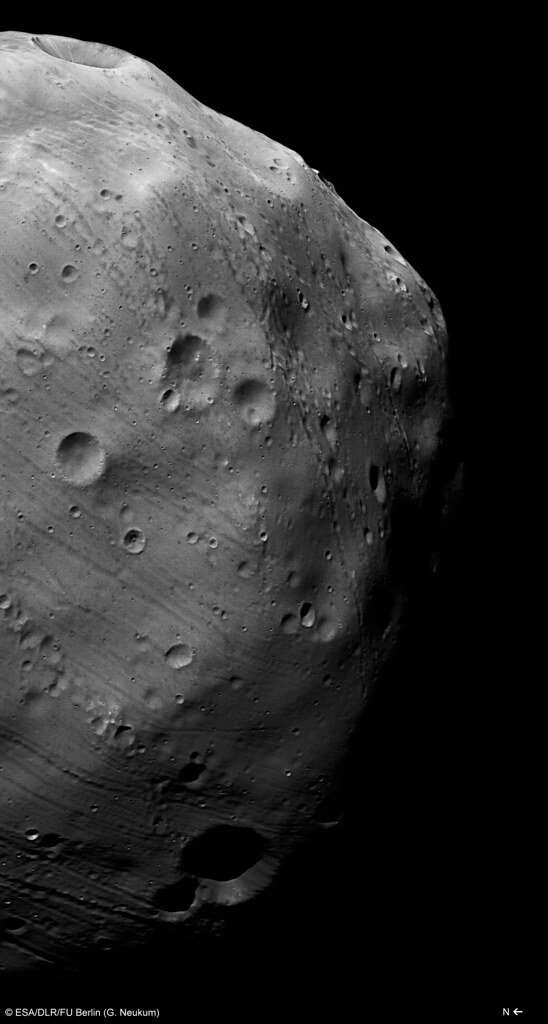
JAXA launched MMX on Oct. 20, 2026. Whether the spacecraft had come through separation in working order was not known at launch. Its destination is Phobos, the larger of Mars' moons, which orbits closer to its planet than any other moon in the solar system.
JAXA said it will now run initial functional checks of the spacecraft's onboard equipment while preparing for the outbound cruise phase toward the Martian system. The agency gave no date for the start of that phase.