Two Instruments Reveal Organic Complexity in Ancient Meteorites at the Molecular Level
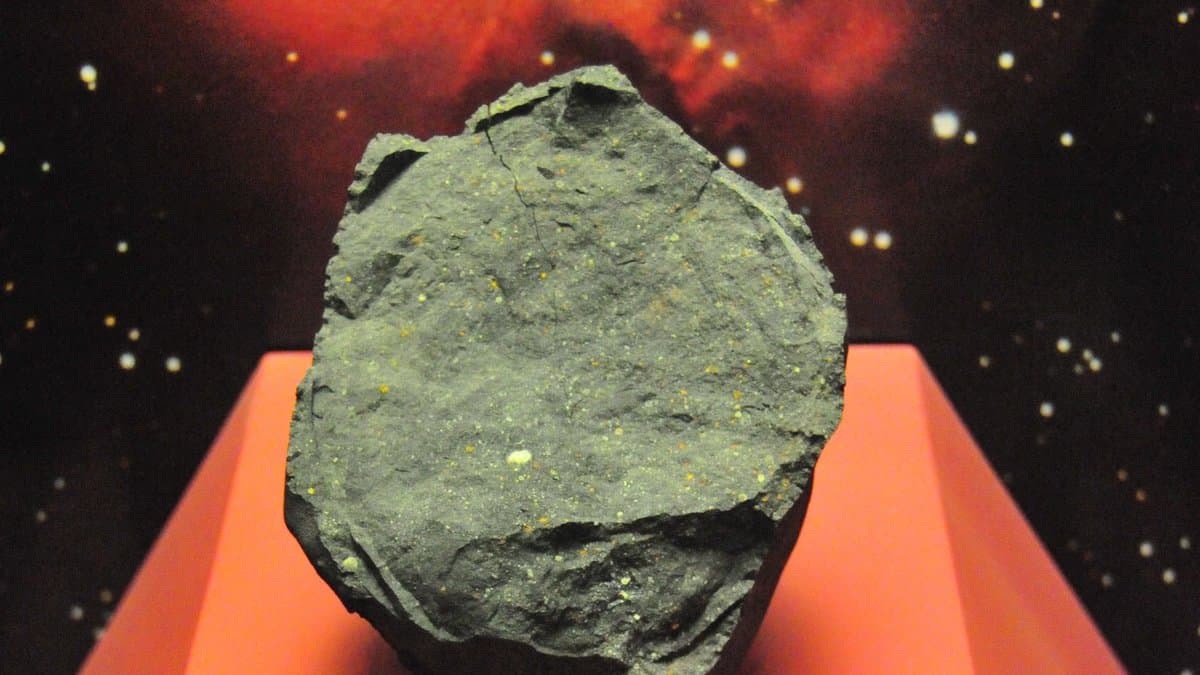
Researchers at Florida State University's National High Magnetic Field Laboratory and Brookhaven National Laboratory have used the world's highest-field mass spectrometer and single-molecule atomic force microscopy to map the organic chemistry of two carbonaceous meteorites, assigning more than 18,000 molecular formulas per sample extract.
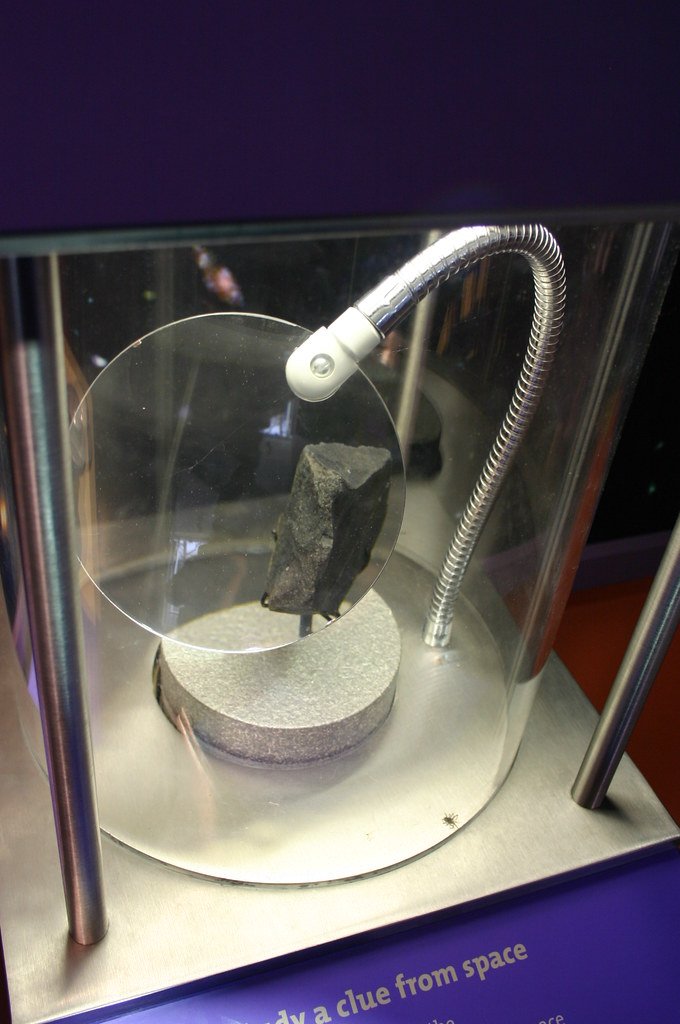
The study, published Sept. 16 in the Planetary Science Journal, was designed to probe how much chemical complexity soluble organic matter in meteorites carries, and whether two meteorites from the same broad class share the same profile: the Murchison, which fell in Australia in 1969, and Aguas Zarcas, which fell in Costa Rica in 2019.
Joseph W. Frye-Jones and Ryan P. Rodgers of Florida State University, and colleagues including Percy Zahl of Brookhaven's Center for Functional Nanomaterials, applied two instruments in sequence. A 21-tesla Fourier-transform ion cyclotron resonance (FT-ICR) mass spectrometer measured molecular formulas with mass errors below 80 parts per billion across a carbon range of C10 to C70, with oxygen contents reaching O20. Iron-bearing species extended above C35. The acidic oxygen-containing class made up as much as 20% of assigned formulas in some extracts. Separately, high-resolution noncontact atomic force microscopy produced structural images of individual molecules, spanning from simple saturated carbon chains to condensed aromatic ring systems.
The two techniques are complementary: mass spectrometry yields molecular formulas at scale; AFM provides structural detail, specifically the arrangement of bonds, for individual molecules that formulas alone cannot supply. The paper reports that differences in iron-associated molecular populations between Murchison and Aguas Zarcas point to distinct metal-organic interaction histories on their respective parent bodies.
The work characterizes the organic chemistry present in the early solar system.