Simulation Puts Today's Milky Way Among the Safer Galaxies for Life
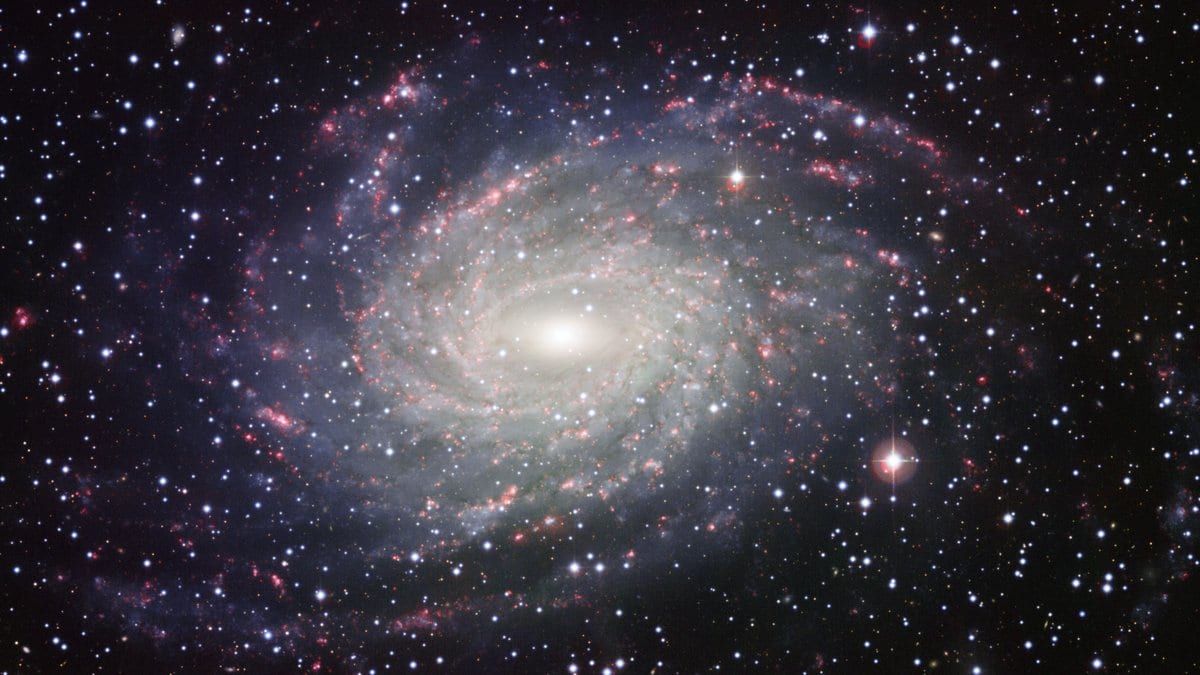
Cosmologists have used a large simulation of how galaxies form to estimate where in the universe planets have the best chance of staying habitable, and they report that the Milky Way of today is typical of the galaxies that qualify. The finding is an output of that model, describing conditions across whole galaxies. It is not an observation, and the paper makes no claim that life exists anywhere.
Luke Barnes of Western Sydney University, Richard Bower of the University of Durham and colleagues published the work Oct. 5, 2026, in Monthly Notices of the Royal Astronomical Society. The authors set out to answer when and where in the universe life is most likely to form, a question usually asked of individual planets and applied here instead to whole galaxies.
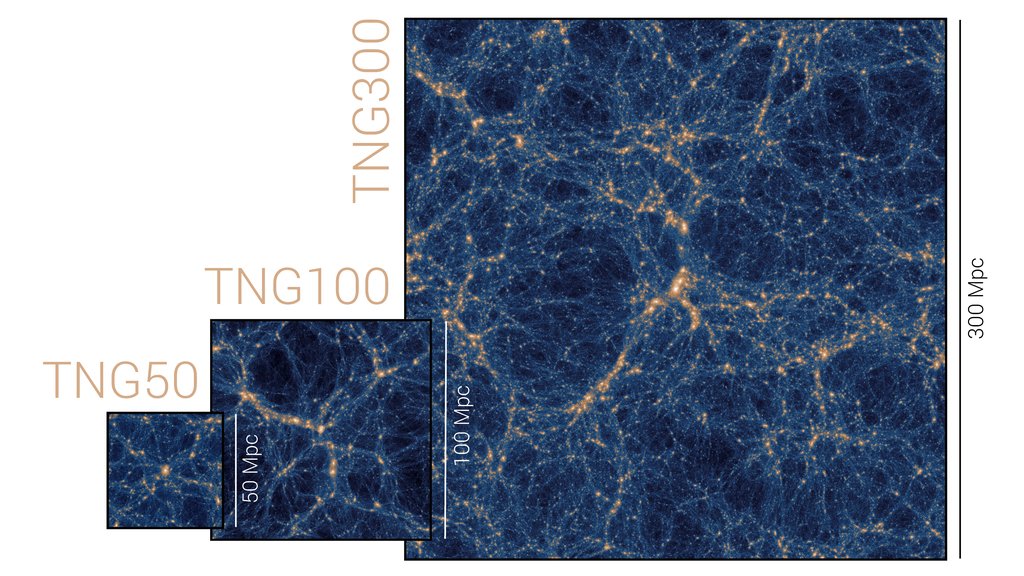
The model is built on the EAGLE simulations, which follow galaxy formation from the early universe to the present day. In the model, the chance of observers arising depends on three ingredients: ordinary main-sequence stars, the making and spreading of heavy elements, and the formation of habitable planets. Against those, the authors set five processes that could extinguish life: two kinds of supernova explosion, close passes between stars, gamma-ray bursts and quasars, and galaxy centers lit up by feeding black holes.
What the model then tracks is habitable time: how much time the universe creates on habitable planets, counted per unit mass of stars and ordinary matter, and how that figure changes with a galaxy's mass and with distance from its center.
The authors report that the most dangerous places in the simulation are young, newly formed galaxies in the early universe that turn gas into stars quickly. The present-day Milky Way comes out as typical of habitable galaxies: efficient at creating habitable time, with a low probability of cosmic catastrophes.
The paper is free to read under a Creative Commons CC BY license. The Science and Technology Facilities Council, the European Research Council and the Netherlands Organisation for Scientific Research are among the funders listed on it.
Sources
- Monthly Notices of the Royal Astronomical SocietyPeer-reviewed