A German Rocket Reached Orbit From Norway on Its Second Flight
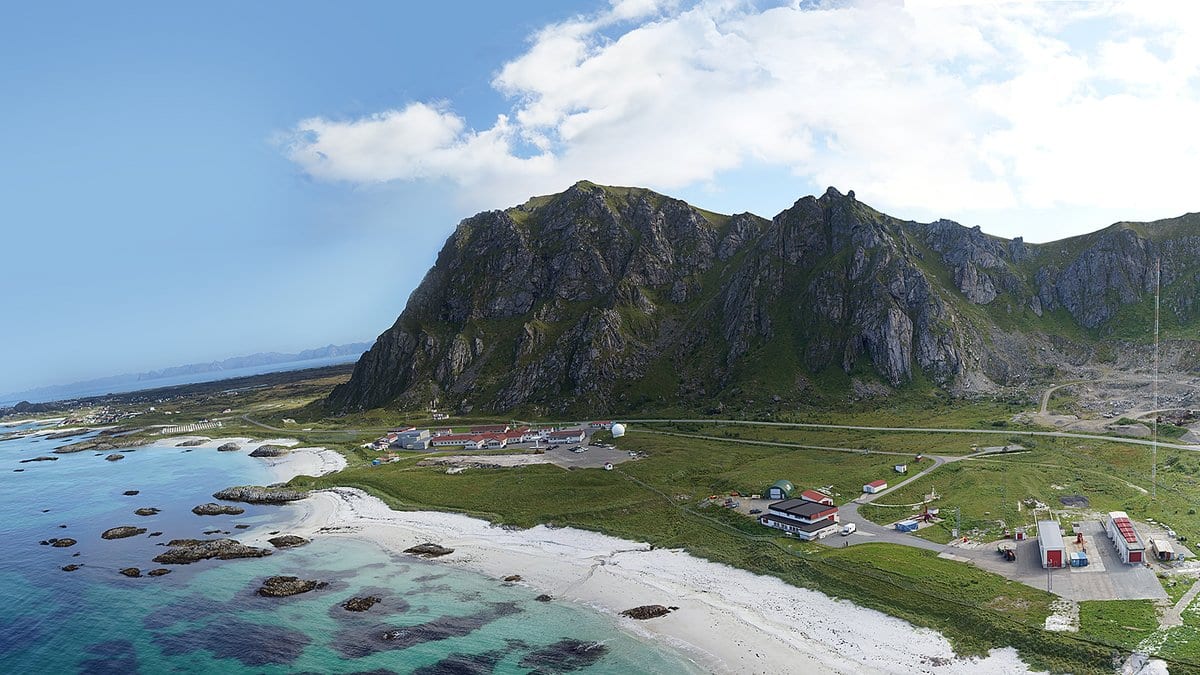
Isar Aerospace's Spectrum rocket reached orbit and deployed its payloads on Sept. 5, the vehicle's second flight and its first carrying satellites. The company said liftoff came at 10:12 p.m. CEST from its launch complex at Andøya Space in northern Norway. The rocket completed stage separation and second-stage ignition, dropped its nose con, performed an orbit-circularization burn and then deployed the payloads.
DLR said the mission successfully delivered five small satellites and one experiment to their respective target orbits. Isar Aerospace had initially said it was working with customers to confirm the status of the satellites.
The European Space Agency, which co-funded the flight through its Boost! program, says the launcher reached orbit and calls it the first launch to orbit from continental Europe. ESA classifies the mission as a qualification flight following last year's first test flight and gives Spectrum a capacity of up to 1,000 kilograms to low Earth orbit.
The mission carried five commercial and educational CubeSats and one experiment. The CubeSats are small satellites, while the experiment was designed to demonstrate new technologies in orbit and provide educational opportunities for students in Europe. The payloads were selected through the first Microlauncher Competition of the German Space Agency at DLR, supported through ESA's Boost! program.
Spectrum's first flight, in March 2025, ended about 30 seconds after liftoff when the vehicle received a termination command and fell into the sea. Isar's investigation traced the failure to the unintended opening of a vent valve and the resulting loss of control over the rocket's orientation at the start of a roll maneuver.
The second flight was delayed by a pressurization-valve issue, a boat that entered the restricted sea zone during one countdown, a leaking pressure vessel and unexpected readings from the vehicle's fluid systems.