Viruses in Deep Soil Help Keep Carbon in the Ground, Study Reports
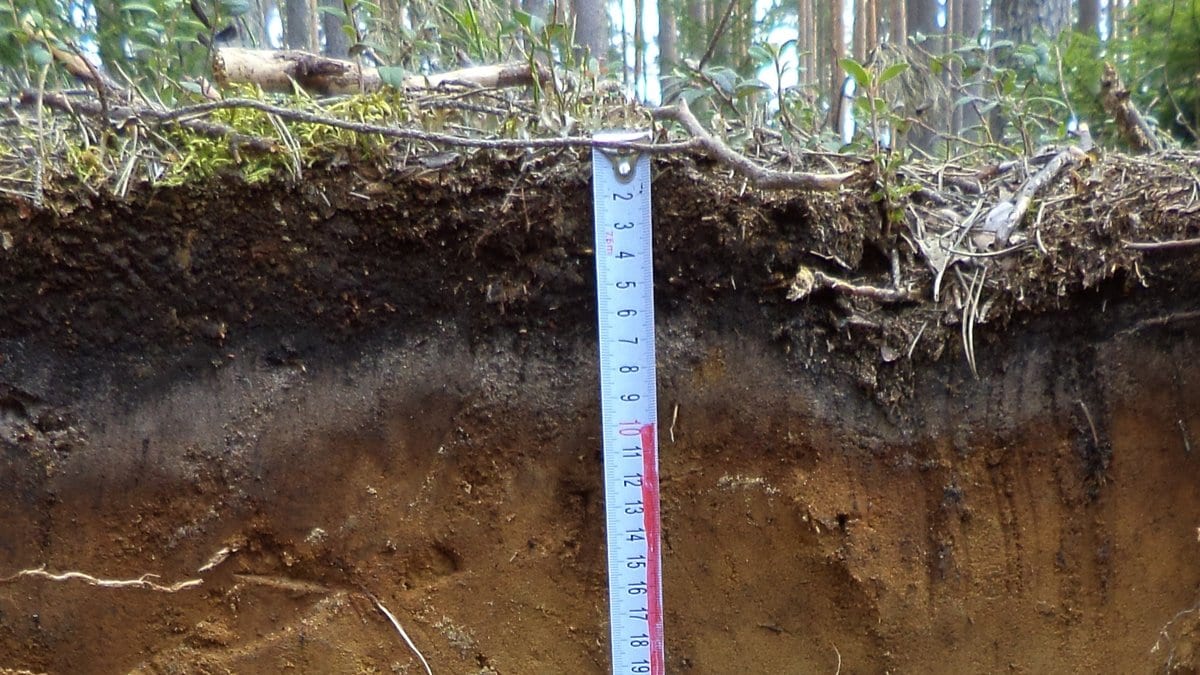
Deep soil is full of viruses, and a survey published Oct. 21, 2026, in Nature Ecology & Evolution puts them inside the question of how carbon stays locked up down there. Xing-Jie Wu of the Chinese Academy of Sciences in Beijing, Wan-Xue Han of Hebei Normal University, and colleagues sampled soil profiles from the surface to 700 centimeters across four farming systems, pooled published DNA surveys of subsoil from around the world, and released a catalog of 50,949 viral groups.
Deep soils store more than half of all organic carbon held on land, the paper states, and what keeps that carbon in place below the root zone has been unclear. The authors propose a framework in which viruses strengthen the microbial carbon pump, the buildup of soil carbon out of dead microbes, rather than simply killing their hosts.
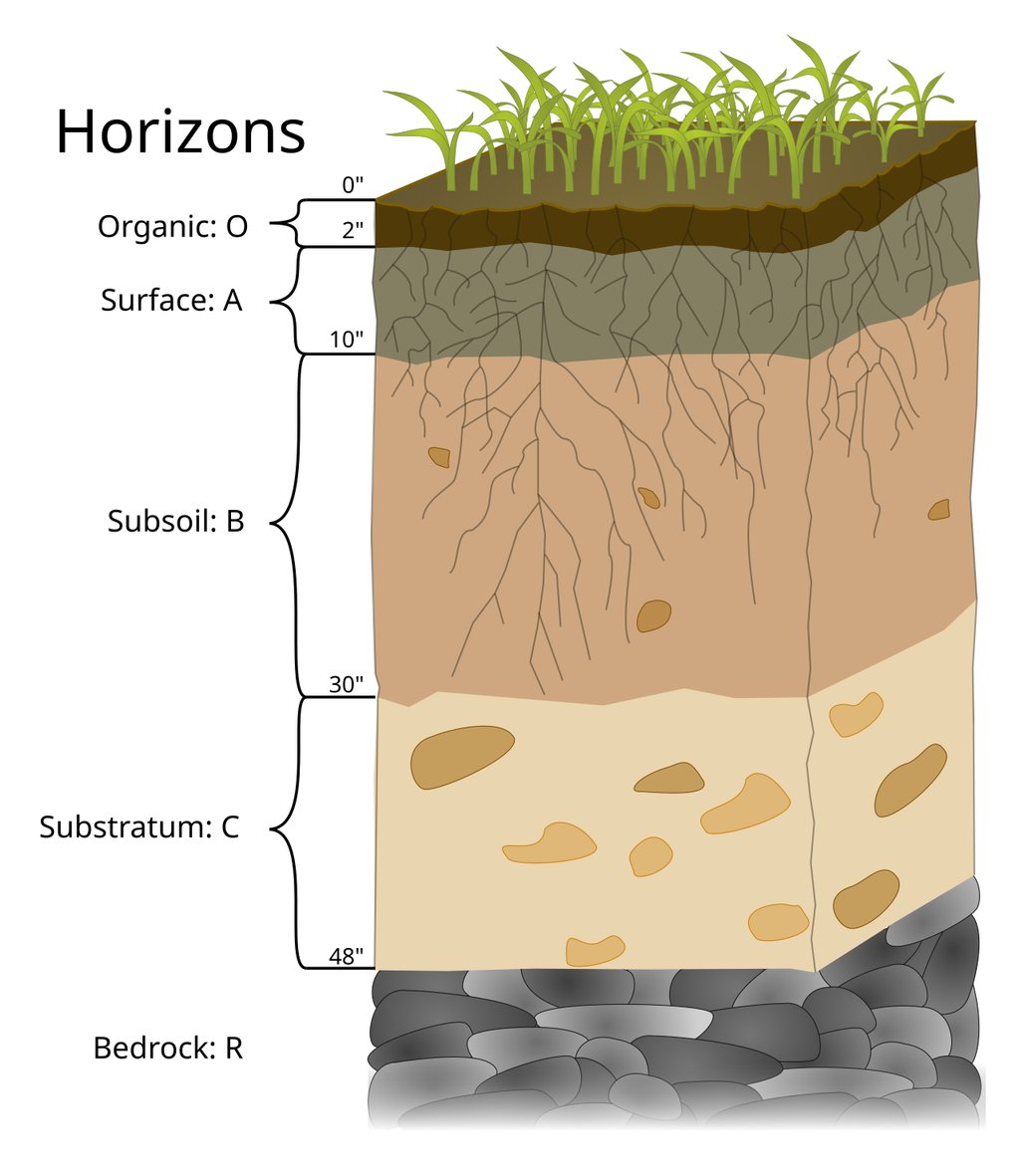
The authors report that the number of distinct viruses rose significantly with depth, and that as carbon became scarcer the viruses shifted toward sitting dormant inside their hosts instead of bursting them. Alongside the viral groups, the new database lists 3,902 genes that viruses carry into their hosts' metabolism, together with enzymes involved in breaking down large carbon molecules and in splitting bacterial cells open.
One of those enzymes, viral endolysin, significantly increased the buildup of carbon from dead microbial cells, which in turn contributed to a rise in carbon bound to soil minerals. A separate synthesis of 138 soil profiles worldwide found a positive effect of viral abundance on soil organic carbon.
The sequence data behind the work, from field samples and from a laboratory incubation, are deposited in the NCBI Sequence Read Archive under BioProject numbers PRJNA1179866 and PRJNA1310142.
Sources
- Nature Ecology & EvolutionPeer-reviewed