Steel Could Emit Far Less by 2040, but Only With Enough Hydrogen and Electricity
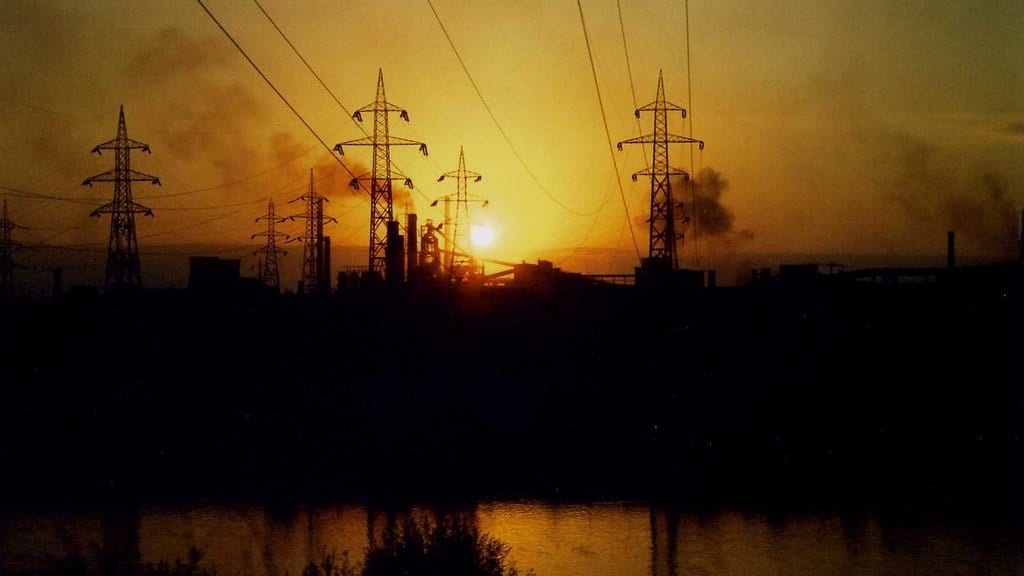
The world's steelworks release about 3.7 billion metric tons of carbon dioxide equivalent a year, most of it in Asia, according to a life-cycle assessment of crude steel plants worldwide published Oct. 21, 2026, in Communications Earth & Environment.
Tom Terlouw of the Paul Scherrer Institute and ETH Zurich, with Carina Harpprecht and Christian Bauer, put the steel industry at roughly 7% to 9% of global greenhouse gas emissions. The authors report that they built the assessment facility by facility because regional context decides what low-carbon steel would need.
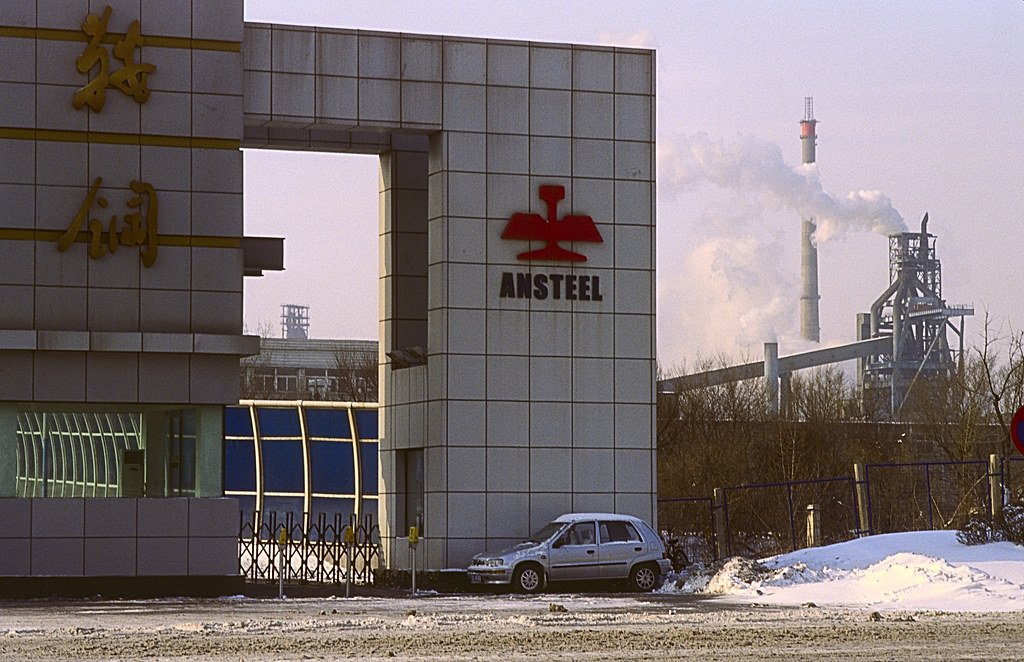
The same work reports that emissions could fall steeply by 2040. Depending on which 2 °C scenario the model follows, they could decline by up to 70%, to between 1.1 billion and 2.3 billion metric tons of carbon dioxide equivalent a year. Those are modeled scenarios, not a forecast of what the industry will build.
Reaching those lower emissions, the authors report, could require up to 90 million metric tons of hydrogen a year, storage for 1 billion metric tons of carbon dioxide a year, and an electricity supply of up to 6,000 terawatt-hours a year, or some mix of the three. The paper puts that electricity figure at more than twice what the European Union supplies today.
The paper is open access under a Creative Commons Attribution license. The journal is publishing the accepted version early; it carries a permanent DOI and will be replaced by the final version of record.
Funding came from the Horizon Europe project TRANSIENCE, the Swiss State Secretariat for Education, Research and Innovation, and UK Research and Innovation. Terlouw is an editorial board member at the journal and, the paper's competing-interests declaration states, took no part in the review of this article or in the decision to publish it.
Sources
- Communications Earth & EnvironmentPeer-reviewed