Before It Flies to the Moon, Griffin-1 Had to Be Shaken, Blasted and Frozen
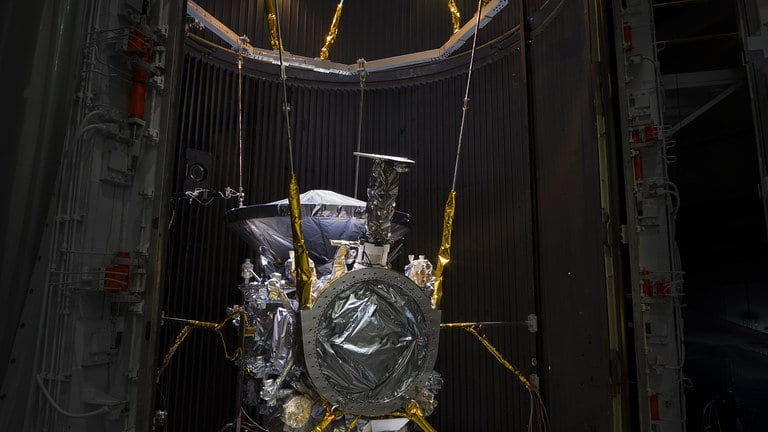
Voyager Technologies' Griffin-1 lunar lander has finished its environmental test campaign at NASA's Jet Propulsion Laboratory in Southern California and has gone back to the company for final assembly. NASA announced the result on Oct. 13, 2026.
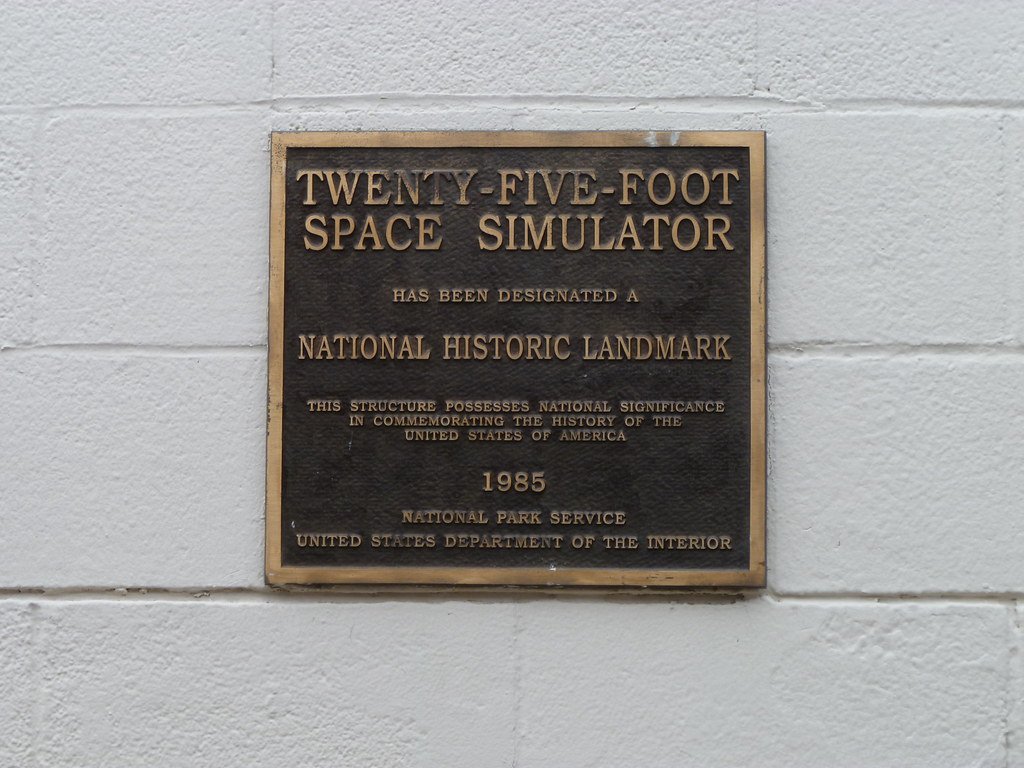
The lander is built to carry freight. NASA says Griffin-1 will deliver more than 455 kilograms of cargo to Nobile Crater near the Moon's south pole under the agency's Commercial Lunar Payload Services initiative, together with science and technology demonstrations from six countries and a rover built by the company Astrolab.
Environmental testing is ground testing. It reproduces the shaking, the noise, the vacuum and the temperature swings a spacecraft will meet, so that a part that would fail in flight fails in a chamber instead. NASA's release describes the sequence. Engineers spun the lander on a table to measure its mass properties, meaning how its weight is distributed, which tells them how the vehicle will move in space and on touchdown. Its electronics were run inside a foam-lined chamber to confirm that their signals do not interfere with one another. A shaker table then rattled it to stand in for the ride off the pad, and horns driven by compressed nitrogen hit it with up to 153 decibels of noise.
The campaign ended in a thermal vacuum chamber at JPL, where for about two weeks the lander was baked at up to 75°C and chilled to as low as minus 100°C. The agency says that range stands in for the conditions of the trip out and of the lunar surface.
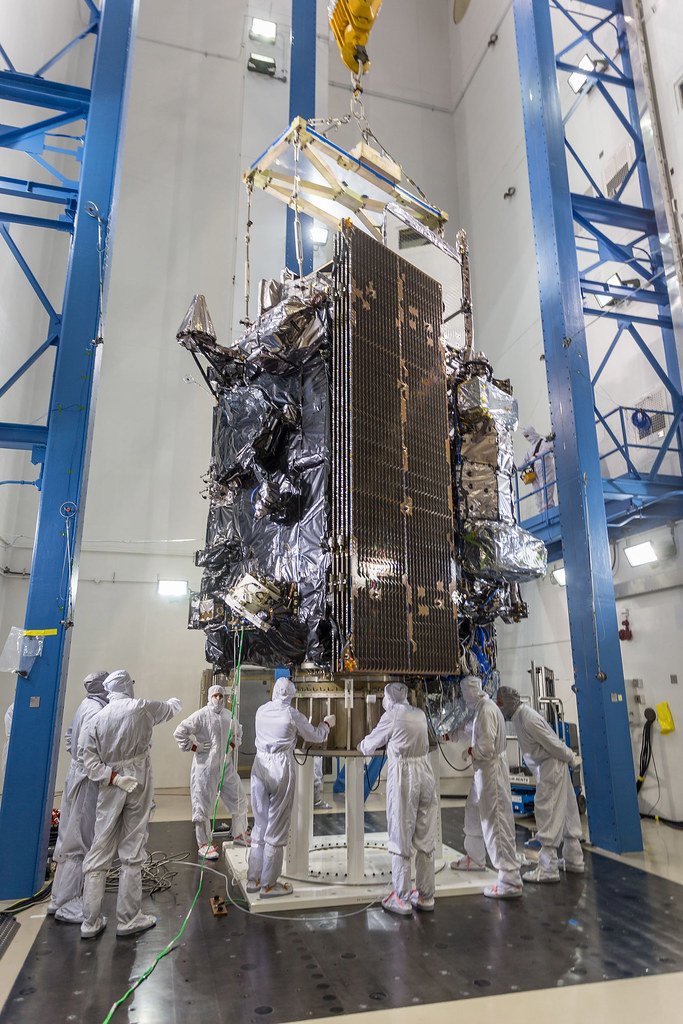
Coming through the campaign shows that the vehicle as built withstood those simulated conditions. It is not a flight, and nothing in it tests the landing. NASA says Griffin-1 is expected to launch before the end of 2026 on a SpaceX Falcon Heavy, after launch-readiness work at Voyager Lunar Systems and shipment to Cape Canaveral.