One AI Model Cleans up Blurry and Noisy Medical Scans
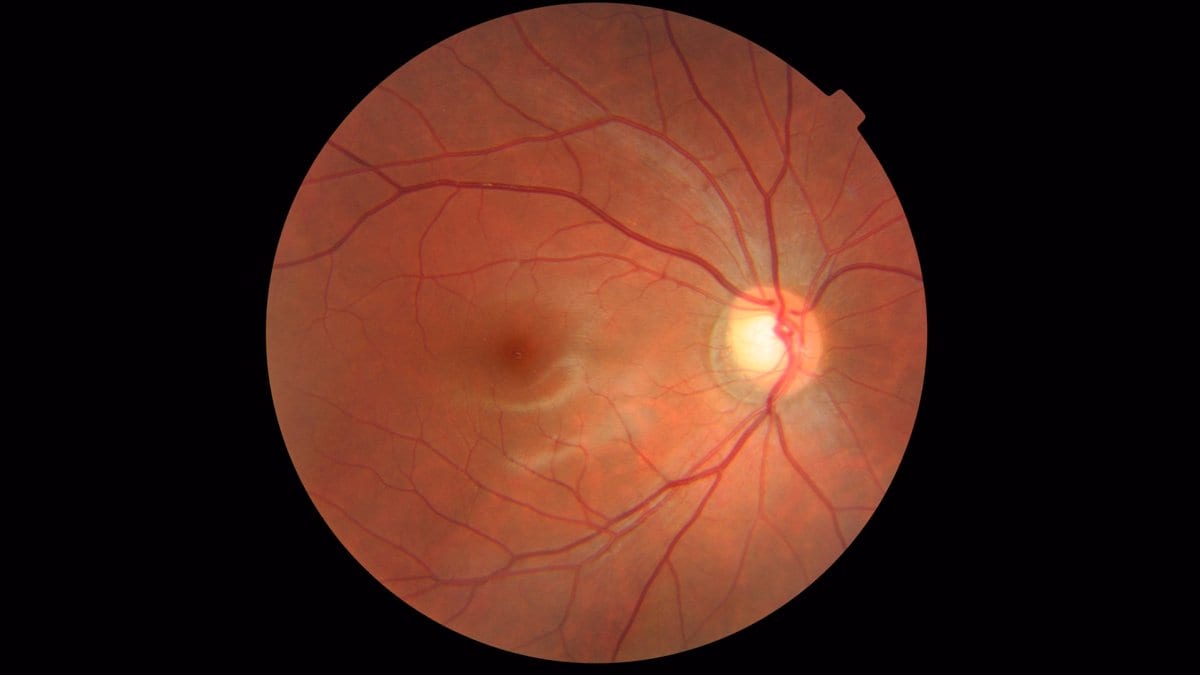
A research group led by Luyang Cao of Nanjing University and Zhijian Wu of Westlake University has developed AMIFound, an artificial-intelligence model that repairs degraded medical images across seven types of scans, from CT, MRI and PET to ultrasound, X-rays, endoscope video and retinal photographs. The model was published Oct. 13, 2026, in Nature Machine Intelligence. Cao and Wu are listed as equal contributors, with Yefeng Zheng of Westlake University and Yinghuan Shi of Nanjing University as the supervising authors.
Restoring a degraded image here means taking a scan that is grainy, blurred, smeared by movement, weak in contrast or captured at a low radiation dose, and producing a cleaner version of it. The paper states its aim as improving low-quality clinical images while keeping the detail that matters clinically, then handing better pictures to the software that reads them afterward.
AMIFound was trained and evaluated on 3.76 million pairs of images, each pair matching a good scan with a degraded copy of it. One shared part of the network works out which kind of scan and which kind of damage it is looking at; the image is then sent to whichever repair module suits it.
On their own test data, the authors report that AMIFound did better than 38 task-specific and general-purpose systems across every one of the image types. The comparisons covered automated picture-quality scores, assessments by clinicians, combinations of defects, and clinical images that were already degraded in ordinary use.
They also report that the restored images improved what other software could do with them, across 44 disease-detection tasks and in tumor-stage prediction and survival-risk ranking for non-small-cell lung cancer. All of this is measured on stored image collections rather than on patients. It is a methods result about image quality, and benchmark performance is not the same thing as performance in a working hospital.
The authors say that the code used for training and evaluation is public on GitHub, with the version used for this study deposited at Zenodo, and that every image dataset they trained on was already publicly available.
Sources
- Nature Machine IntelligencePeer-reviewed