More Than 1 in 4 New Mothers Said They Needed Mental Health Care
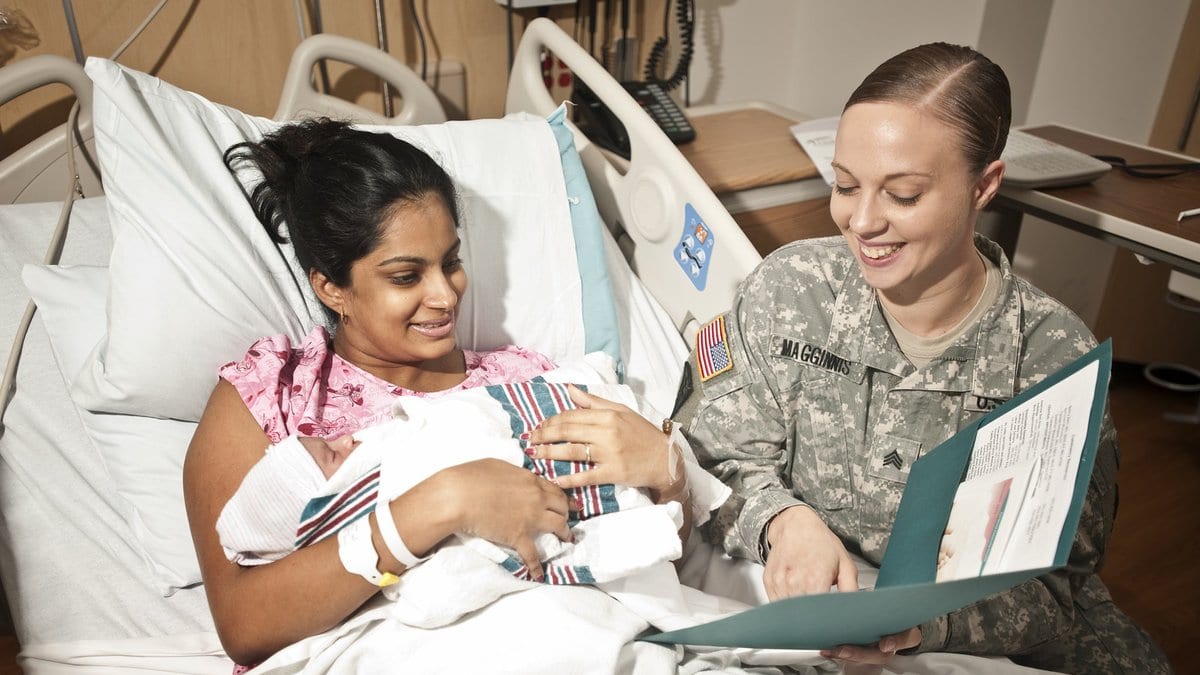
Researchers at the University of Maryland report that 28.8% of 13,432 women surveyed in 16 states after giving birth said they had needed mental health care, and that only 68.1% of those who needed it got it.
The analysis was published online Nov. 19, 2026, in Women's Health Issues. It measured three things the women reported about themselves: whether they needed mental health care after childbirth, whether they got the care they needed, and what stood in the way. Rebecca A. Gourevitch and colleagues write that measuring need, access and barriers across a whole population can inform strategies to improve outcomes for mothers and infants.
Practical obstacles, such as not having time, were the most reported barrier, at 75.1%. Concerns about treatment and financial concerns followed, each reported less often.
The authors found lower reported need among uninsured women, among Asian or Pacific Islander women and among Hispanic women, and much higher need among women who had been diagnosed with depression during pregnancy or in the three months before it. Among the women who said they needed care, access was lower for those on Medicaid, for uninsured women and for Hispanic women.
The figures come from supplemental questions added to the 2022 Pregnancy Risk Assessment and Monitoring System, a survey of women after childbirth. All three measures are what the women said about themselves — the authors write that a self-reported need may cover needs that standard clinical thresholds do not capture. Their conclusion calls for targeted solutions for unmet need, particularly among uninsured and Hispanic populations, and for solutions to logistical barriers such as the time available for care.
Sources
- doi.orgPeer-reviewed
Medical Disclaimer: This content is provided for general informational and educational purposes only. It is not medical advice and should not be used as a substitute for professional medical advice, diagnosis, or treatment. Always consult a qualified healthcare professional regarding any medical condition, concern, symptom, or treatment decision.