A Nearby Giant Planet's Methane Points to a Very Cold Birthplace
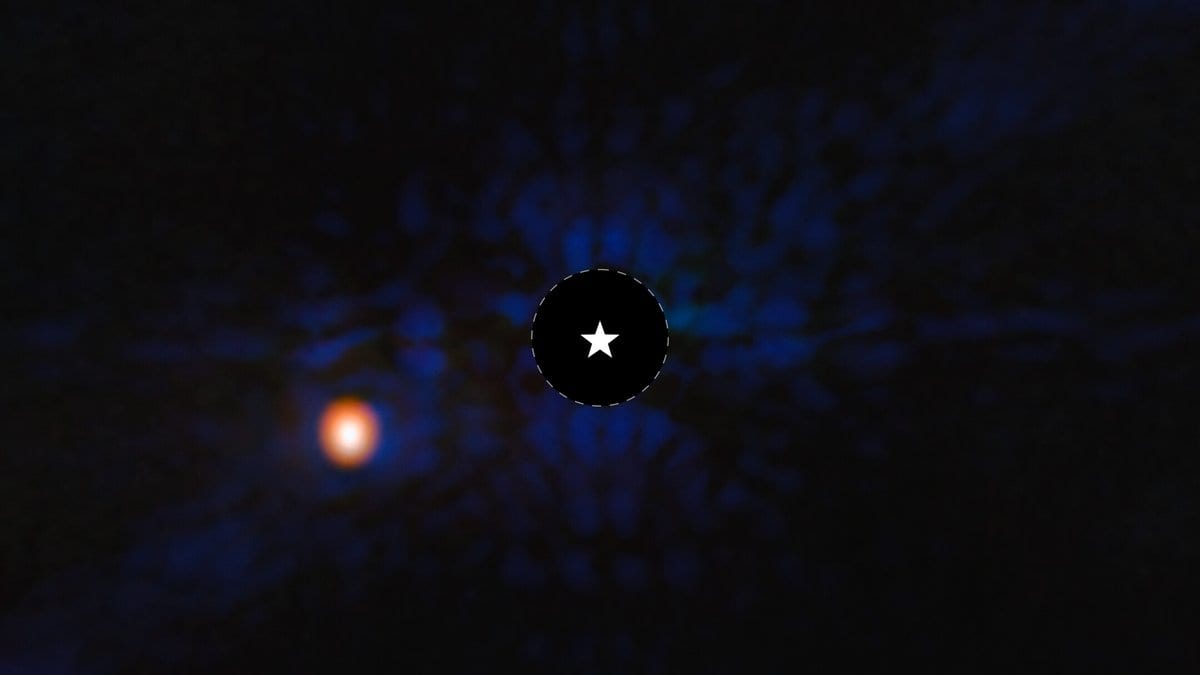
Astronomers using the James Webb Space Telescope have measured how much heavy hydrogen sits in the atmosphere of a nearby giant planet, and the answer resembles Uranus and Neptune rather than Jupiter and Saturn. Jerry W. Xuan of the University of California, Santa Barbara, and colleagues put the deuterium-to-hydrogen ratio of the planet, epsilon Indi Ab, at about 4.4 atoms per 100,000, roughly twice the figure for Jupiter, Saturn and the gas cloud the Sun itself formed out of. They report the finding in a preprint that has not been peer reviewed.
Deuterium is a heavy form of hydrogen, nearly all of it made in the Big Bang. The authors write that a giant planet's ratio can therefore pin down the kind of solid material the planet swallowed as it grew, because very cold ice and organic matter carry far more deuterium than the gas around them.
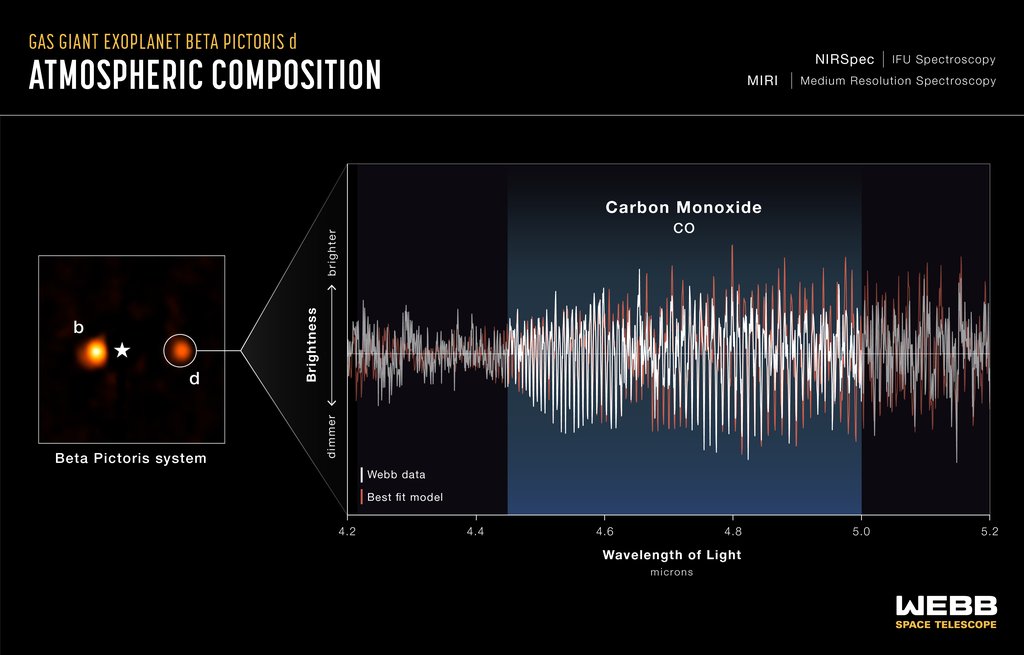
The preprint, posted Nov. 6, 2026, carries a note on its arXiv listing saying it is under review. The team reports detecting deuterated methane, methane built with heavy hydrogen, at a strength 48 times the noise in the data, in spectra from Webb's near-infrared spectrograph. Epsilon Indi Ab is a cold planet of six to eight times Jupiter's mass, roughly 4 billion years old, orbiting a nearby star.
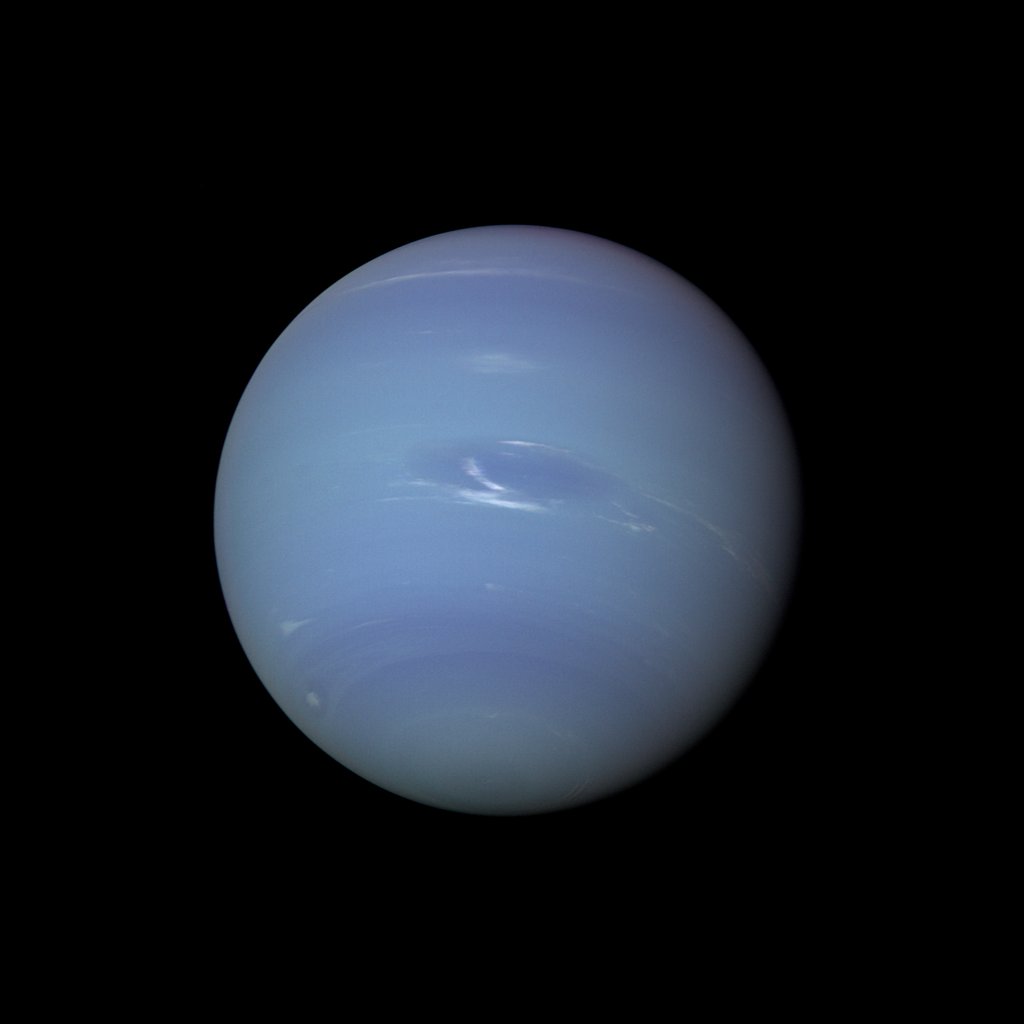
Jupiter's and Saturn's deuterium ratios match the gas the Sun formed from, while Uranus's and Neptune's are about twice as high, a difference long attributed to the icy bodies those two took in. The authors call the resemblance striking, because epsilon Indi Ab is a gas giant whose carbon, oxygen, nitrogen and sulfur come out enriched at roughly the same level as Jupiter's.
To end up with the deuterium it has, the authors write, the planet must have gathered solids at least 30 times richer in deuterium than a typical Solar System comet. Ratios that high have been reported for the interstellar comet 3I/ATLAS and for organic molecules in star-forming regions. Their reading is that the planet was built from pristine material formed somewhere very cold, and that Webb measurements of more cold planets would test it.
Sources
- arXivPreprint