A Smartwatch Spotted Hidden High Blood Pressure, and Missed a Third of Cases
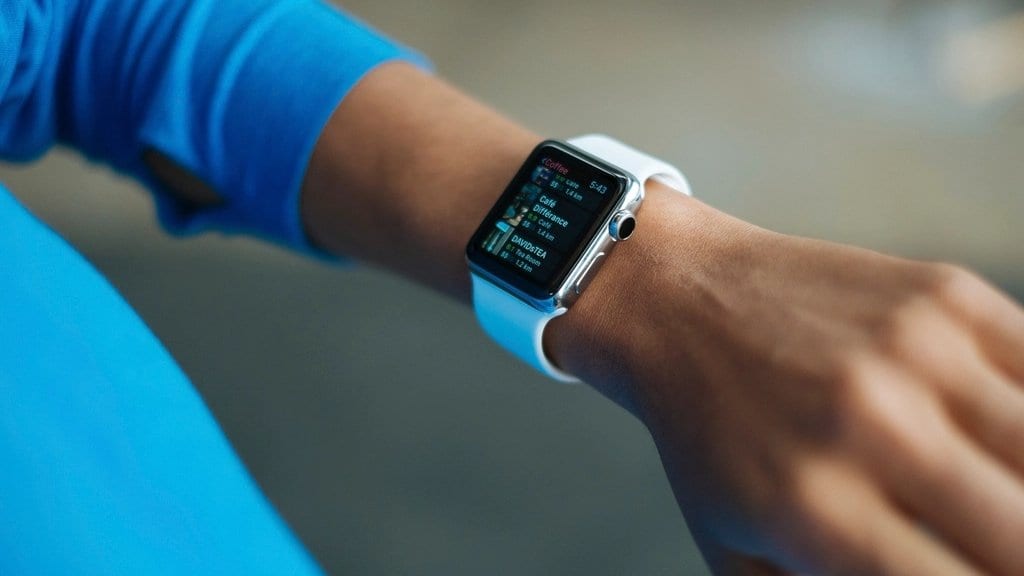
Google Research scientists report in Nature that software reading only the optical pulse signal and wrist motion from a consumer smartwatch, with no blood pressure cuff and no calibration, identified 65.8% of the people who had high blood pressure in a study of 196 volunteers.
The authors present the watch as opportunistic screening, something that sends a person for a cuff-based diagnosis rather than delivering one. Their paper in Nature states that more than half of adults with high blood pressure are unaware of it, and that early intervention is critical to preventing serious cardiovascular events.
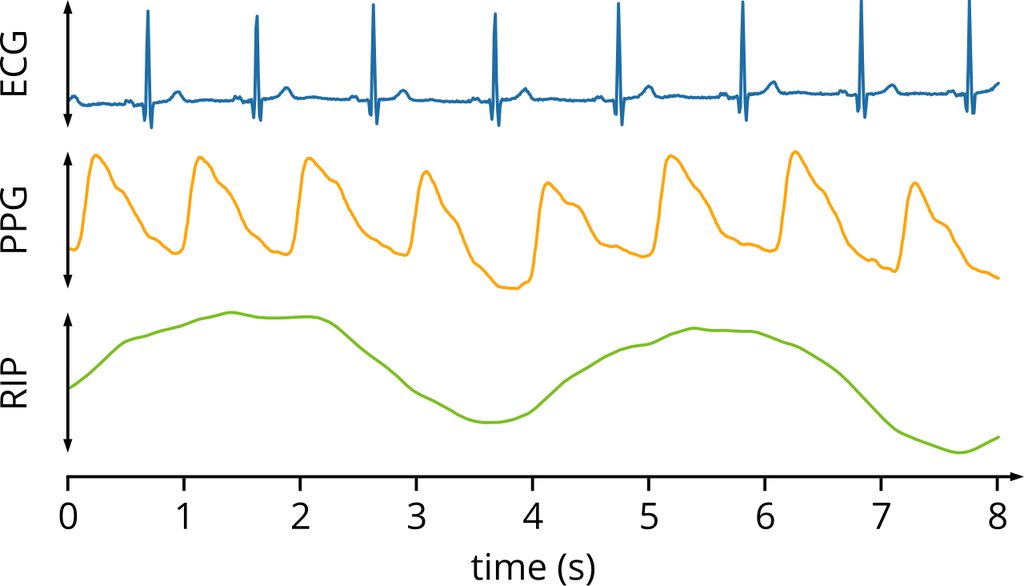
Over seven days of ordinary wear, the model's flags were measured against a full day of ambulatory blood pressure monitoring, the clinical reference standard. The model cleared 90.0% of the participants that reference did not call hypertensive, and it missed about a third of those it did, so a watch that stays silent is not evidence that someone's blood pressure is normal.
In the same study, an initial office blood pressure check flagged 55.3% of the hypertensive participants, at the same rate of correct clearances.
Those are the study's own figures. Google Research ran the study and also makes the smartwatch, and no independent evaluation of the model has been published. The 196 participants were free of known cardiovascular disease and were not taking blood pressure medication, which bounds who the numbers describe. First author Paolo Di Achille and corresponding author Ming-Zher Poh are at Google Research in Cambridge, Massachusetts, and co-authors include researchers at Beth Israel Deaconess Medical Center, Harvard Medical School and the University of Washington.
Nature published the paper Nov. 5, 2026, as an early peer-reviewed version that the journal says will be replaced automatically by the final version of record.
Sources
- NaturePeer-reviewed

Medical Disclaimer: This content is provided for general informational and educational purposes only. It is not medical advice and should not be used as a substitute for professional medical advice, diagnosis, or treatment. Always consult a qualified healthcare professional regarding any medical condition, concern, symptom, or treatment decision.