Researchers Switched off Tuberculosis Genes in Pairs to See Which Ones Work Together
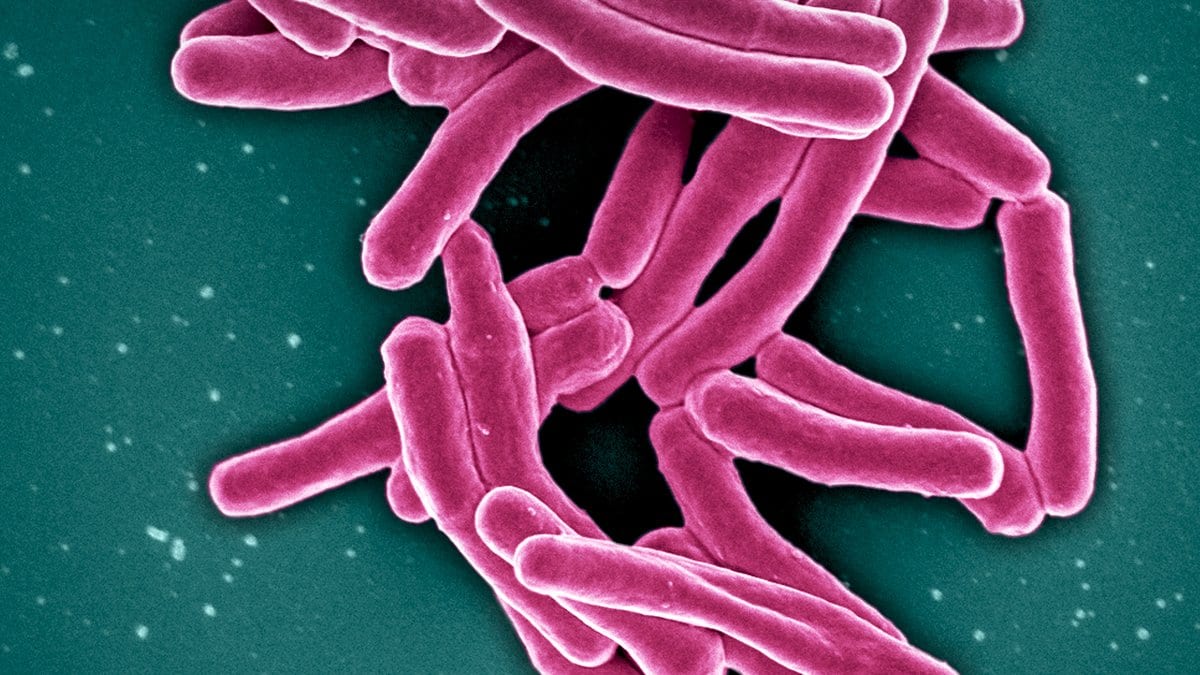
Researchers have mapped how the essential genes of the tuberculosis bacterium depend on one another, by switching off two genes at a time and measuring how badly the bacteria then grew. The maps, one for Mycobacterium tuberculosis and one for a harmless relative used as a laboratory model, were published Nov. 4, 2026, in Nature.
Many of the pathogen's genes have never been assigned a function, and the paper says that gap limits what can be learned about tuberculosis biology and holds back drug development. Knowing which genes work together also shows which of those partnerships sit beside the targets of existing antibiotics, and the authors say that can guide the design of drug combinations. The paper describes M. tuberculosis as the world's deadliest pathogen.
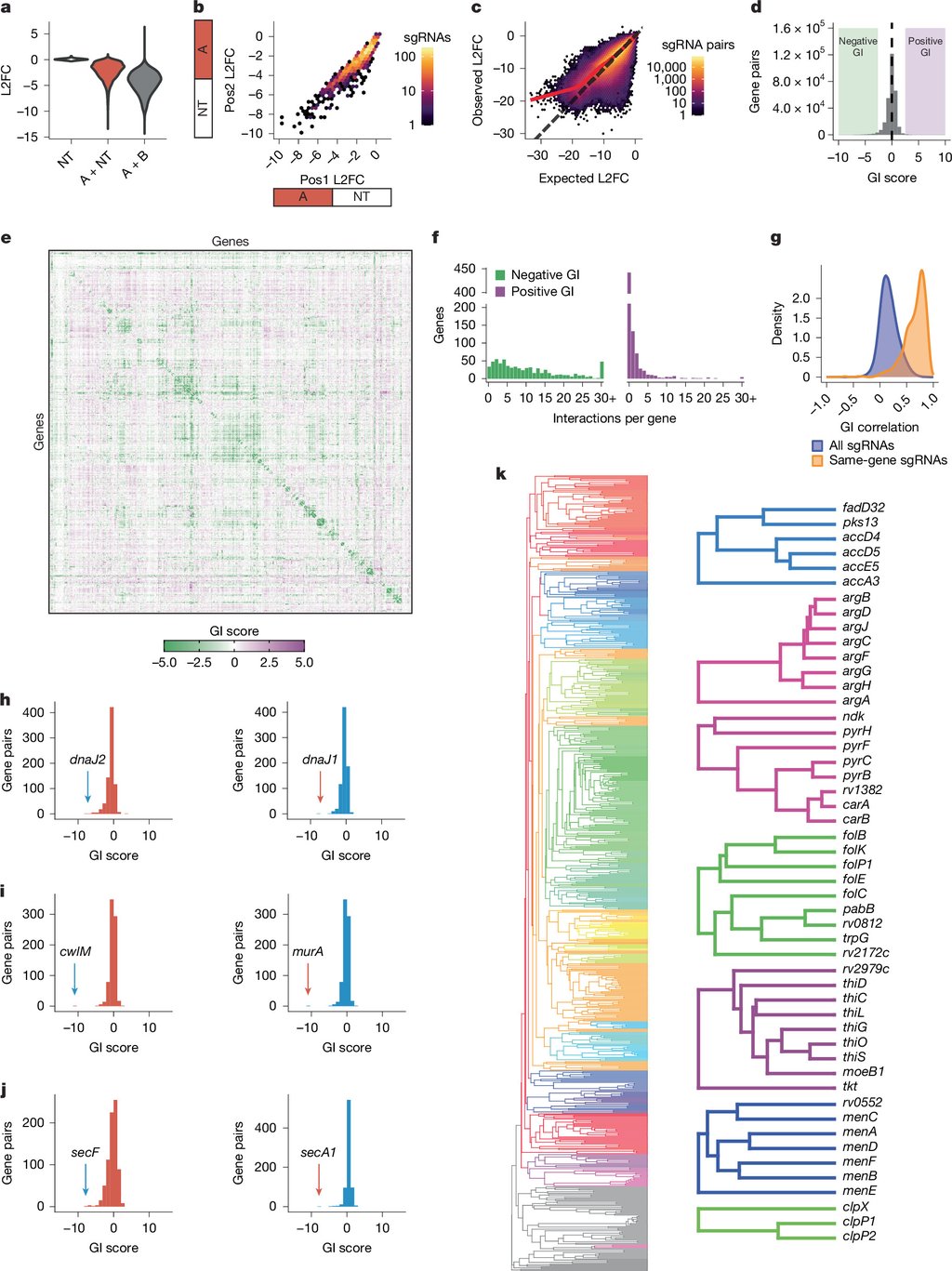
The study used a dual-guide CRISPR interference platform, which uses two guide RNAs to dial down two genes at once rather than deleting them. In M. tuberculosis it covered 762 genes, most of them essential for growth in culture, and found nearly 6,500 interactions between gene pairs. Across both species, first authors Isaac J. Kresse and Natalie Y. Sayegh, senior author Jeremy M. Rock, and colleagues at the Rockefeller University screened more than four million guide-RNA pairs and counted more than 15,000 interactions. The authors write that the maps "uncover thousands of previously unrecognized interactions" and point to functional connections between essential genes and drug targets. The team also ran AlphaFold3 over the gene pairs to predict which of the partner proteins physically touch.
In cultured bacteria, the group then tested drug pairs the maps had flagged: four combinations acted more strongly together than expected, and in one pair each drug blunted the other.
The authors call this the first comprehensive map of essential-gene interactions in M. tuberculosis, and a first-generation one that includes both false positives and false negatives. Nothing in the work was tested in an animal or a person. The paper says all the data are public on an interactive web server.
Sources
- NaturePeer-reviewed

Medical Disclaimer: This content is provided for general informational and educational purposes only. It is not medical advice and should not be used as a substitute for professional medical advice, diagnosis, or treatment. Always consult a qualified healthcare professional regarding any medical condition, concern, symptom, or treatment decision.