A Sheep and Goat Disease Spread Across Europe Without Being Seen
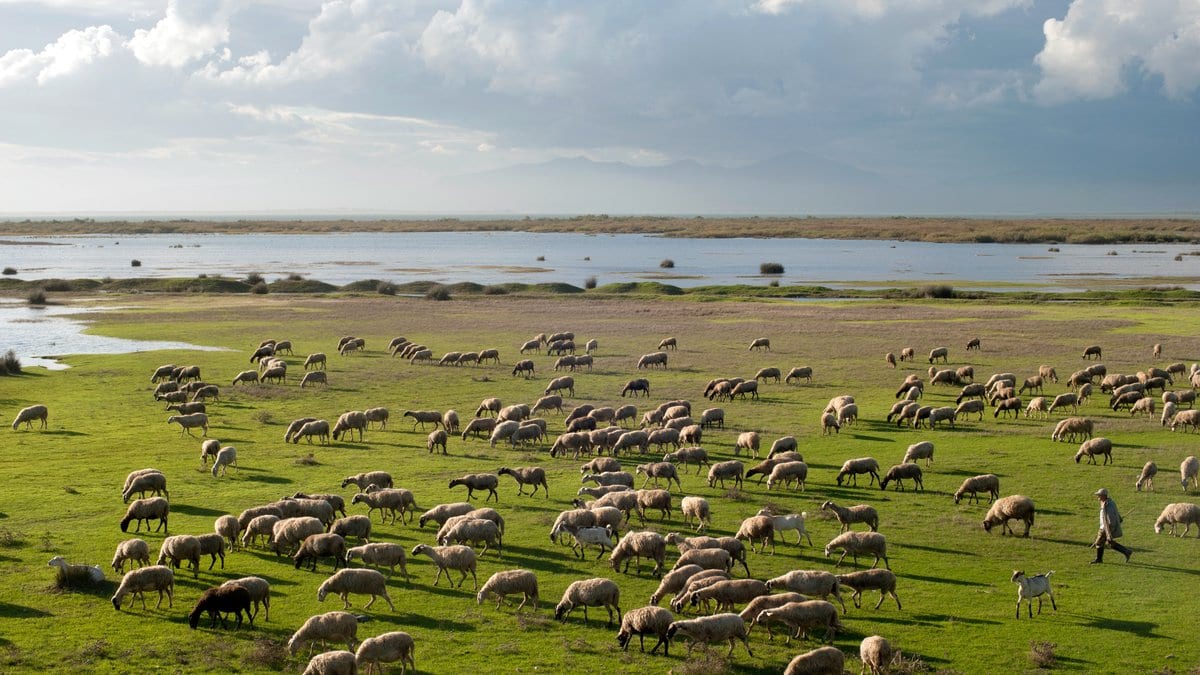
The European Union's reference laboratory for peste des petits ruminants, a disease of sheep and goats, has analyzed 47 whole genomes of the virus behind Europe's current outbreak and found that all of them belong to one closely related group. Working with national laboratories and veterinary services in seven countries, the laboratory reports that the sequences and field investigations together point to a single introduction into eastern Romania as the source of the regional spread.
The analysis appeared Nov. 5, 2026, in the U.S. CDC journal Emerging Infectious Diseases, and the authors describe its purpose as showing veterinary services where to look. Europe has officially reported 183 outbreaks of the disease between July 2024 and January 2026. Those outbreaks were in Greece, Romania, Bulgaria, Hungary, Albania, Kosovo and Croatia, and hundreds of thousands of sheep and goats have been culled in response.
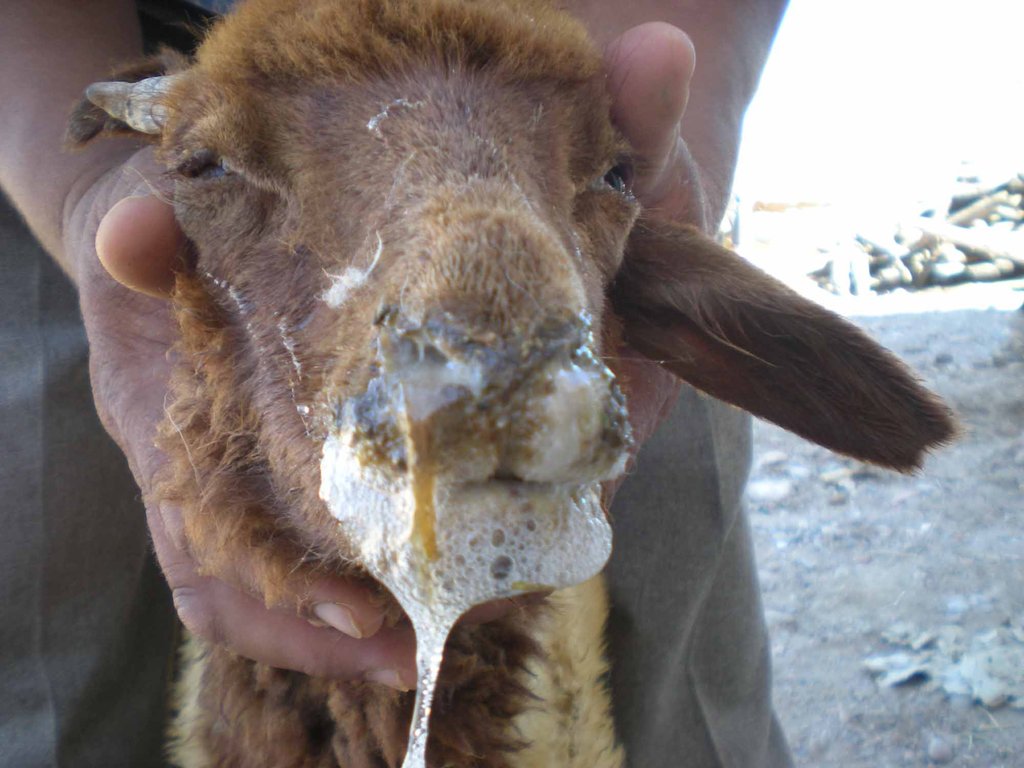
The authors report that the country-to-country jumps inferred from the genomes were positively associated with official records of the live sheep and goat trade. In the UN Food and Agriculture Organization's figures, the heaviest flow runs from Romania to Greece, roughly 500,000 to 1 million animals a year, which is also the direction the sequences trace most often. Field investigations supplied routes the genetics could not see: illegal purchases of animals behind the spread from Albania into Kosovo, and a second Hungarian outbreak traced to hay moved from an infected farm.
Long gaps in the virus family tree between sequences from different countries point to transmission nobody sampled, which the authors read as outbreaks that were never reported. The genomes cover 21% of the reported outbreaks and lean heavily toward Romania, and the authors say the regional picture should be treated cautiously where field investigation does not support it.
Little of this was visible at the time. The paper describes many European outbreaks as coming with low death rates and few or no clinical signs, easily mistaken for other diseases or overlooked. The authors conclude that surveillance resting mainly on spotting sick animals will not find the disease in Europe.
Sources

Medical Disclaimer: This content is provided for general informational and educational purposes only. It is not medical advice and should not be used as a substitute for professional medical advice, diagnosis, or treatment. Always consult a qualified healthcare professional regarding any medical condition, concern, symptom, or treatment decision.