Chemicals in Ancient Hair Point to Cannabis Use in Siberia 2,800 Years Ago
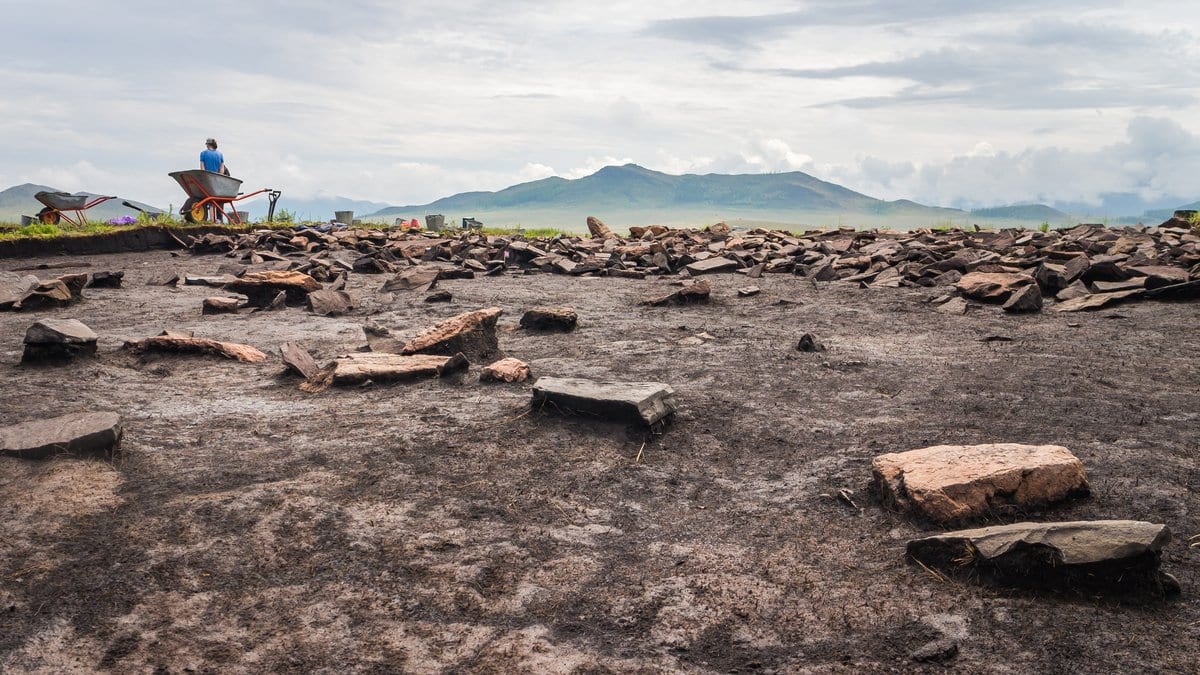
Researchers report chemical traces of cannabis in human hair recovered from a monumental tomb in Siberia, in what they call "the earliest direct evidence of cannabis use." The study, published Nov. 5, 2026, in Science, states that "the practice of cannabis consumption dates back at least 2800 years."
The paper calls cannabis "the world's most-used illicit psychoactive plant" and says direct prehistoric evidence of people consuming it is rare. Its first author is Gino Caspari of the Max Planck Institute of Geoanthropology in Jena, Germany, and the University of Bern.
Their evidence is the compounds in the hair itself, together with offerings of plant parts recovered from the tomb, which they read as consumption rather than the plant's mere presence at a site.
The authors write that the findings "suggest that the plant was used for its psychoactive qualities across Eurasia, where specific wild populations might have had naturally higher active compound levels." They also present the result as bearing on present-day debates about cannabis use.
Nine authors are based in Germany, Switzerland, Russia and Sweden. Three work at the Institute for the History of Material Culture of the Russian Academy of Sciences in St. Petersburg; the study's last author, Robert Spengler, is at the Max Planck Institute of Geoanthropology in Jena.
Sources
- SciencePeer-reviewed