Drug Plus Chemotherapy Shrank Most Pancreatic Tumors in an Early Trial
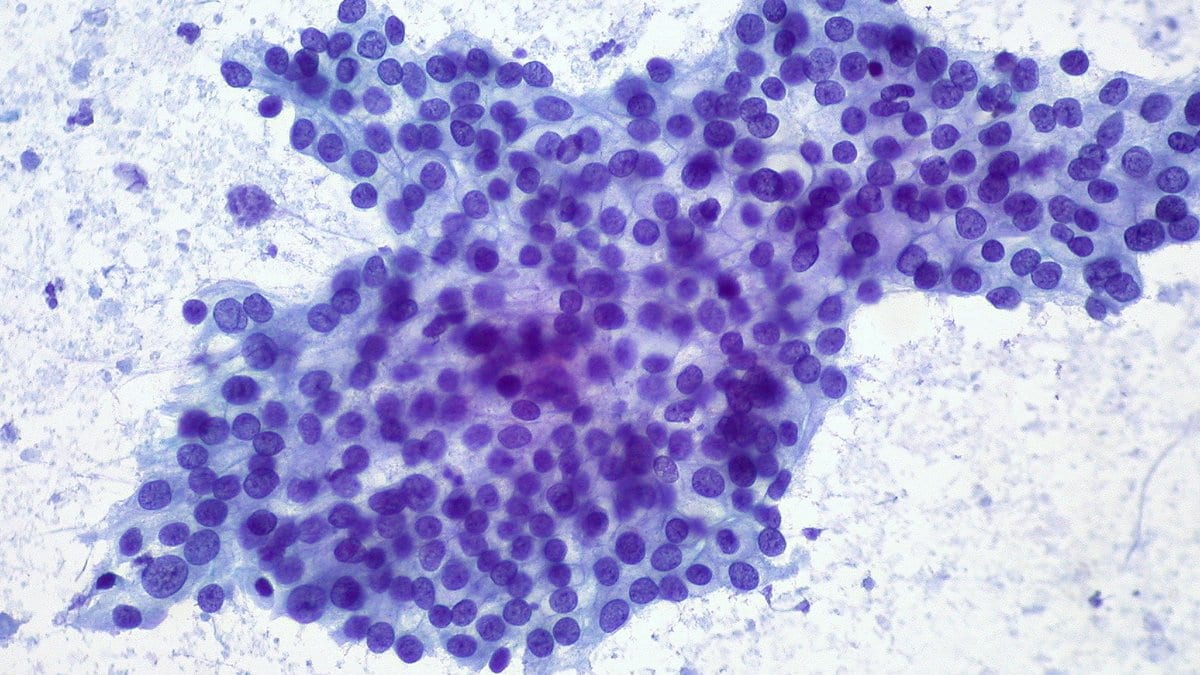
Adding the experimental drug daraxonrasib to standard chemotherapy shrank or cleared tumors in 60.7% of 61 patients whose pancreatic cancer had spread beyond the pancreas and who had not been treated for it before, according to results presented Nov. 20, 2026, at the EORTC-NCI-AACR Symposium in Barcelona. The trial had no comparison group taking chemotherapy alone.
The combination is meant to go after the cancer's main driver from the start of treatment. Daraxonrasib is designed to block RAS, a protein that acts as a switch telling cells when to grow — in pancreatic cancer that switch is stuck on. The symposium's release says more than 90% of pancreatic cancers carry a mutation in the RAS gene, and that the trial, RMC-GI-102, paired the drug with the chemotherapy drugs gemcitabine and nab-paclitaxel to test it as a patient's first treatment. Daraxonrasib already has U.S. approval for metastatic pancreatic cancer that has been treated before.
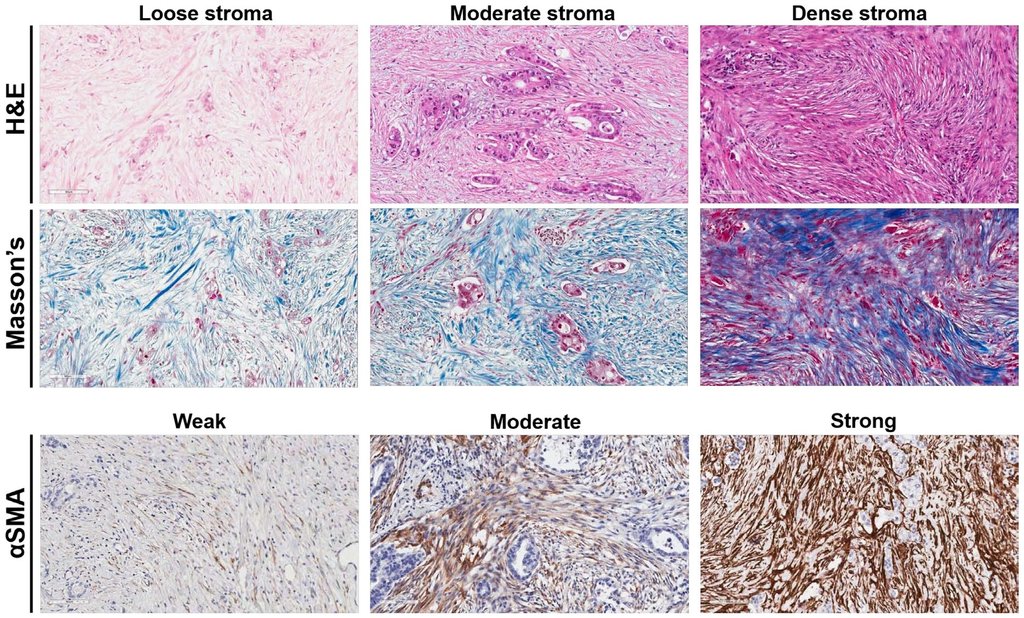
Wungki Park, a gastrointestinal oncologist at Memorial Sloan Kettering Cancer Center in New York, presented the results. The release reports that, as of Sept. 28, 2026, the median time before tumors came back or grew again was 12.8 months, and that 76.6% of patients were alive a year after starting treatment. For comparison, it gives five to six months before tumors start growing again on chemotherapy alone. Rash, diarrhea and fatigue were among the most common side effects.
Park called the finding "a potentially transformative advance in first-line treatment for patients with metastatic pancreatic cancer." He added: "However, this is an early-phase study, and the results must be interpreted carefully because patients were not compared with patients receiving chemotherapy alone." A randomized phase 3 trial, RASolute-303, is testing daraxonrasib on its own and in combination against chemotherapy alone; Park is its principal investigator.
The study was sponsored by Revolution Medicines. Elena Garralda of the Vall d'Hebron Institute of Oncology, who chairs the symposium and was not involved in the trial, said the results are exciting and show that RAS-targeted drugs can be combined with existing treatments.
Sources

Medical Disclaimer: This content is provided for general informational and educational purposes only. It is not medical advice and should not be used as a substitute for professional medical advice, diagnosis, or treatment. Always consult a qualified healthcare professional regarding any medical condition, concern, symptom, or treatment decision.