Tumors Shrank in Some Patients in the First Human Test of a New Cancer Drug
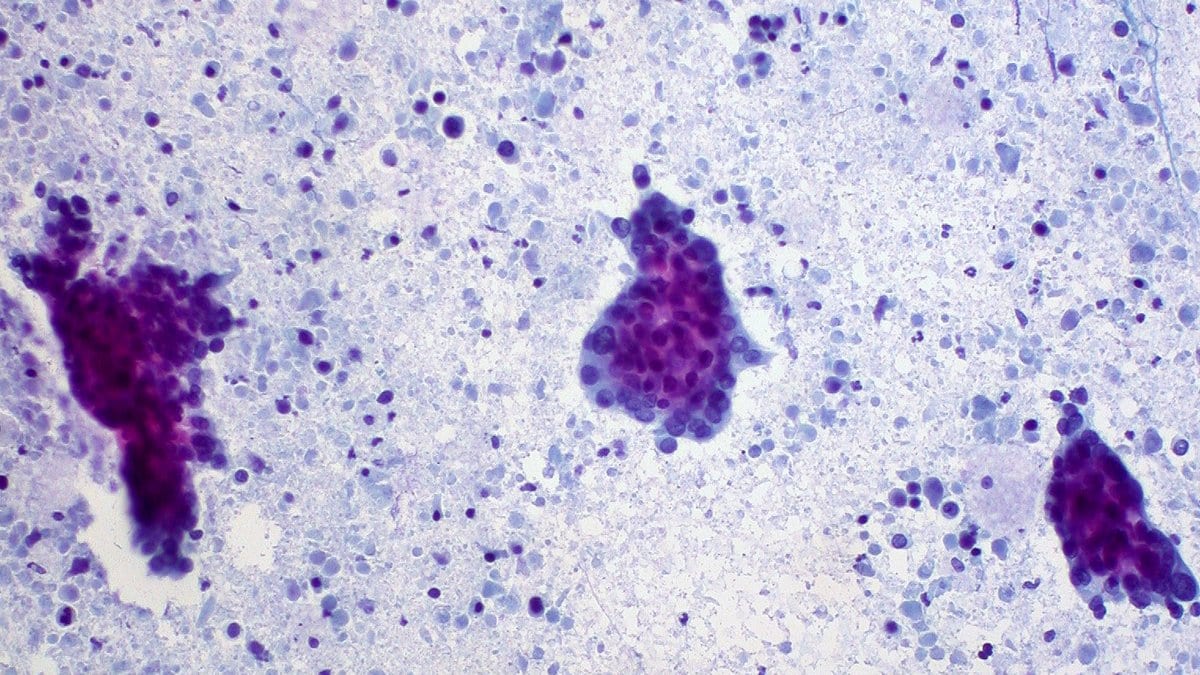
Tumors shrank in 11 of 25 patients with pancreatic cancer and in three of five patients with lung cancer given a 32 mg dose of the experimental drug ERAS-0015, in the first trial of the drug in people. Twelve patients, 9.8%, had severe treatment-related side effects. The results were presented Nov. 20, 2026, at the EORTC-NCI-AACR Symposium on Molecular Targets and Cancer Therapeutics in Barcelona.
ERAS-0015 is aimed at tumors whose growth is driven by mutations in the RAS gene — mutations that until recently were not thought to be treatable with drugs, according to the release from the European Organisation for Research and Treatment of Cancer, which runs the symposium with the US National Cancer Institute and the American Association for Cancer Research. All of the patients had been treated for their cancer before.
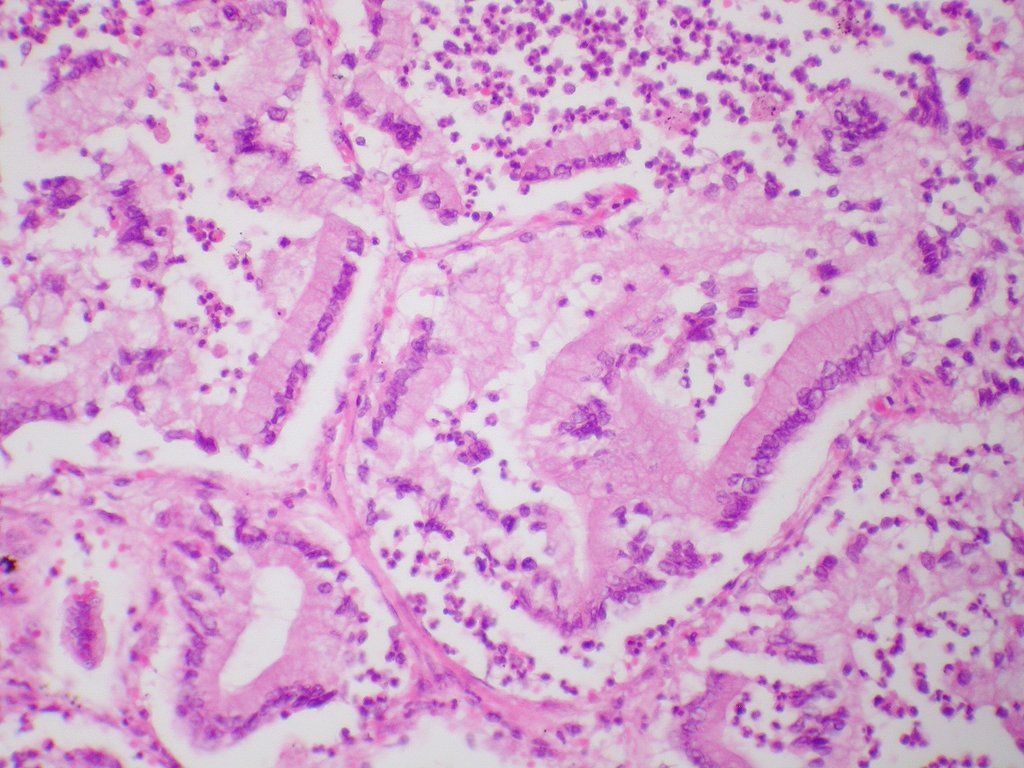
The AURORAS-1 trial opened in June 2025 and is still enrolling. The release puts the findings at 148 patients with pancreatic, lung, bowel and other solid tumors, and the response counts come from the smaller group given that dose. Median follow-up was just over four months. No side effect limited the dose, and the release reports no maximum tolerated dose. The most common side effects were rash, diarrhea, nausea and inflammation of the lining of the mouth.
Judy Wang, a medical oncologist at Florida Cancer Specialists and Research Institute in Sarasota, Florida, presented the results and told the symposium that "ERAS-0015 was well tolerated with few severe side effects." The EORTC release describes the drug as a safe and effective treatment for lung and pancreatic cancers. The same release states that phase II and phase III trials in larger numbers of patients are needed to confirm the safety and efficacy of ERAS-0015. It lists Erasca, the company developing the drug, as the trial's funder.
Sources

Medical Disclaimer: This content is provided for general informational and educational purposes only. It is not medical advice and should not be used as a substitute for professional medical advice, diagnosis, or treatment. Always consult a qualified healthcare professional regarding any medical condition, concern, symptom, or treatment decision.