FDA Rejects a Duchenne Cell Therapy, Saying Its Trial Data Cannot Be Trusted
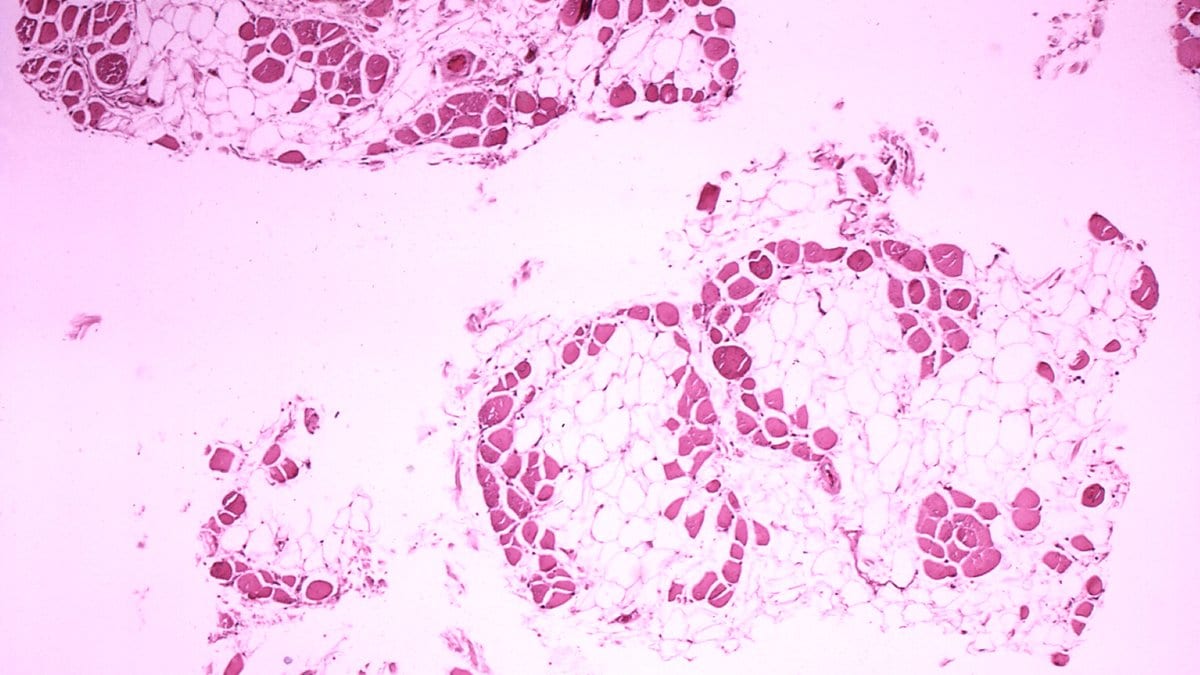
The U.S. Food and Drug Administration has refused to license deramiocel, an experimental cell therapy for Duchenne muscular dystrophy, telling its developer that the trial meant to support the application produced data the agency cannot rely on. The FDA issued a complete response letter to Capricor Therapeutics on Nov. 20, 2026, and said the correspondence identifies serious data integrity violations in the conduct of the HOPE-3 study that cannot be remediated after the fact.
Deramiocel is an allogeneic cardiosphere-derived cell therapy, grown from donor heart tissue, and Capricor had asked the agency to license it for Duchenne muscular dystrophy, a rare inherited disease that progressively weakens muscle. A complete response letter is the agency's refusal of an application — the product cannot be approved as it stands.
The FDA's statement says its Bioresearch Monitoring program inspected Capricor in connection with the application and found serious deficiencies in how HOPE-3 was conducted. The deficiencies include "unauthorized post hoc changes to the statistical analysis plan; violations of study blinding procedures; and additional protocol violations" that, individually and collectively, compromise the reliability of the study data. Even if the question of clinical benefit could be settled, the agency's position is that data of this kind cannot be a reliable foundation for an approval decision.
HOPE-3 had also missed the main and secondary goals set before it began: upper limb function and cardiac imaging measures. The agency said the data integrity problems amplified its concerns about that failure.
Capricor had filed a major amendment to the application after a public meeting of the FDA's Cellular, Tissue, and Gene Therapy Advisory Committee on July 29, 2026, adding 24-month results from an open-label extension of HOPE-3 and changing the indication it was seeking from cardiomyopathy in Duchenne patients to upper limb impairment. The agency reviewed that additional evidence and still found the standard for approval unmet.
According to the statement, the FDA approaches rare disease applications intending to find a path forward, but "flexibility in regulatory approach cannot come at the cost of the foundational requirement that the data underlying an approval decision be reliable."
The agency also issued a Regulatory Responsibility Letter dated Nov. 20, 2026, covering the inspection findings, and Capricor will have the opportunity to address the issues it raises.
Sources

Medical Disclaimer: This content is provided for general informational and educational purposes only. It is not medical advice and should not be used as a substitute for professional medical advice, diagnosis, or treatment. Always consult a qualified healthcare professional regarding any medical condition, concern, symptom, or treatment decision.