Operating-Room Air Purifiers Did Not Reduce Surgical Infections, Trial Finds
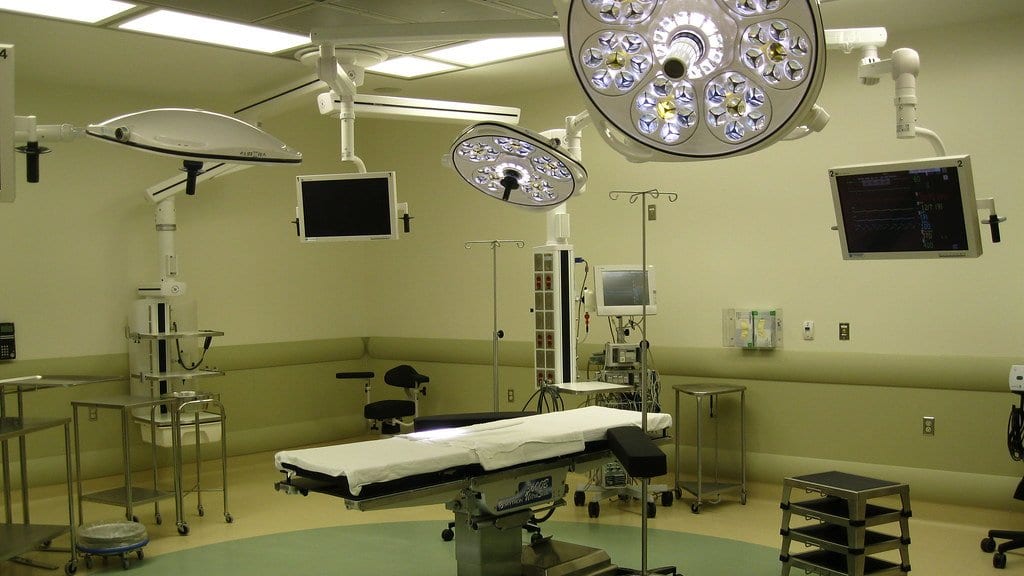
Supplemental air purifiers running in operating rooms did not reduce surgical wound infections, infection-related complications or deaths, according to a blinded trial that enrolled 110,538 patients, published Oct. 19, 2026, in the journal Anesthesiology. Enrollment stopped early after a planned interim analysis found that continuing could not have shown a benefit.
The paper's starting point is that operating rooms are clean but far from sterile, and that an unknown fraction of surgical infections result from wound contamination by airborne bacteria. The trial, called ORACLE, tested whether adding purification equipment to a room's ordinary ventilation would cut those infections.
Daniel I. Sessler of the Center for Outcomes Research and Department of Anesthesiology at McGovern Medical School, UTHealth Houston, and colleagues randomized the rooms rather than the patients. Each of the 68 operating rooms was reassigned in four-week blocks to either active purification or an identical-looking sham unit, and investigators, clinicians and patients were all kept unaware of which was running. The analysis covered adults whose surgery lasted at least an hour and who had no sign of an existing wound infection.
The trial's main measure was a single combined count of wound infection, an infection-related complication or death within 30 days of inpatient surgery. It occurred in about 8% of patients in each group. The authors report that the range of effects still consistent with their data runs from a small benefit to a small harm and includes no difference at all. Counting inpatient and outpatient surgeries together gave the same answer.
The authors conclude that supplemental active purification did not reduce surgical wound infections or mortality, and suggest that infection-control efforts might better focus on limiting direct contamination of the wound.
The trial was paid for by a grant from ActivePure, an air and surface purification company, to the Cleveland Clinic. The paper's funding statement says the company approved the original protocol, which the lead author wrote, and was not involved in collecting or analyzing the data or in preparing the manuscript.
Sources
- AnesthesiologyPeer-reviewed

Medical Disclaimer: This content is provided for general informational and educational purposes only. It is not medical advice and should not be used as a substitute for professional medical advice, diagnosis, or treatment. Always consult a qualified healthcare professional regarding any medical condition, concern, symptom, or treatment decision.